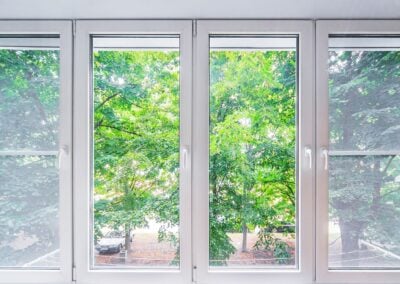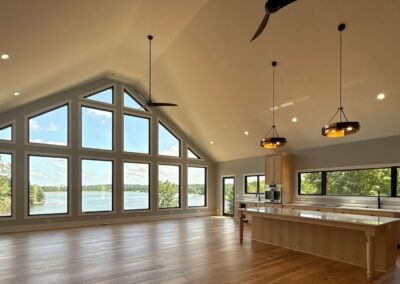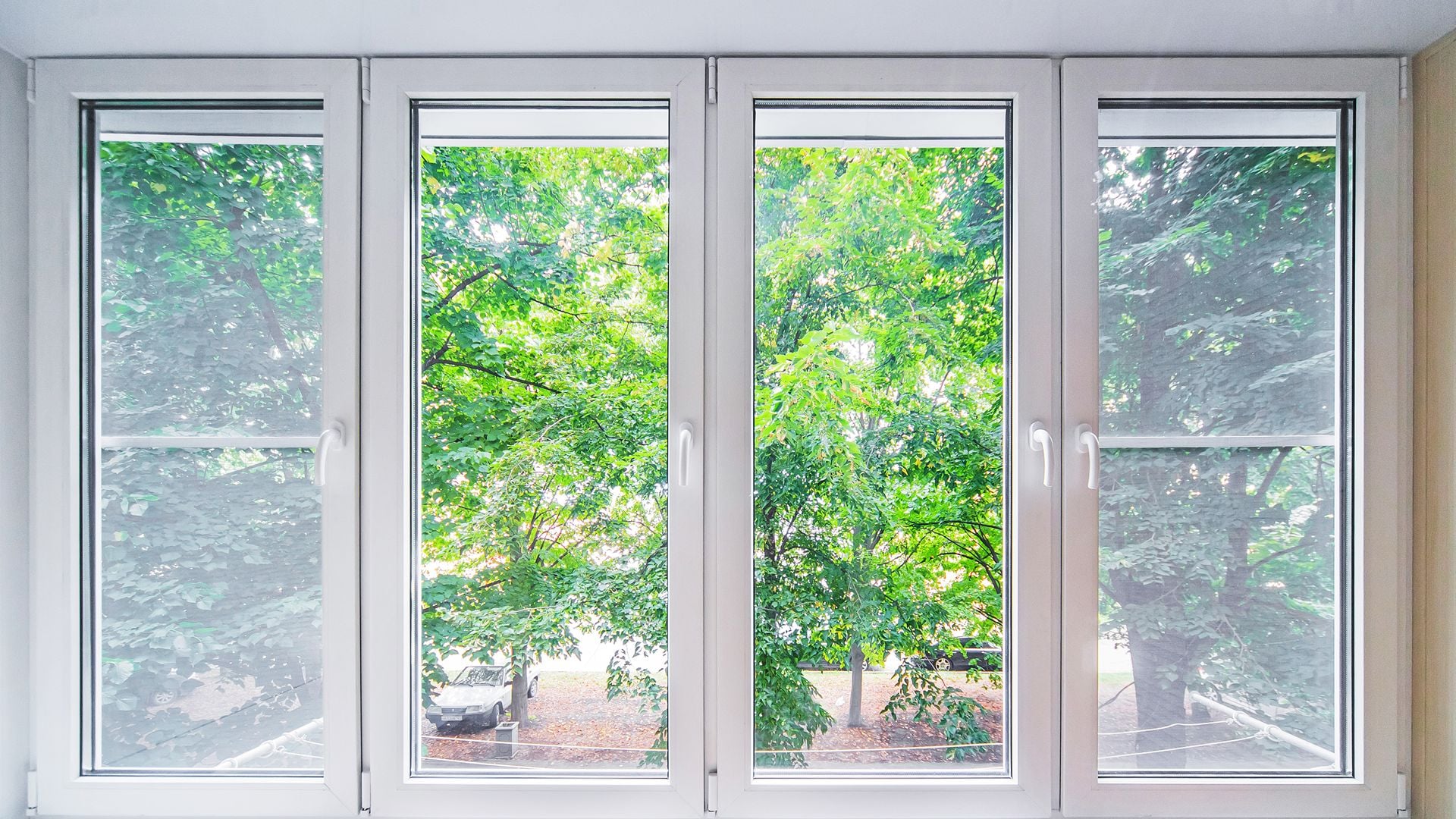
If your eyes are windows to your soul, then your actual windows may help define the soul of your home. The style, color, and size of the glass can help create your desired effect, whether you prefer a dramatic look or something much more classic and traditional. But the material used to construct your window matters, too.
Different window materials offer important benefits when it comes to energy efficiency, durability, maintenance, and appearance. Some materials provide excellent insulation with very little upkeep, while others offer a traditional look or the slim profiles that work well in contemporary homes. In the Pacific Northwest, where rain and moisture are regular considerations, you’ll also want window materials that can stand up to wet weather.
Understanding the main types of window materials can help you narrow down your options and find windows that fit your home’s needs.
What Are the Different Types of Window Materials?
Manufacturers use several materials to build windows, and none is better than the others — there’s only what works best for your home. Each kind of material comes with its own strength, insulation, appearance, and durability.
Vinyl and fiberglass have become popular choices for replacement windows because they offer reliable performance with relatively little maintenance. Wood remains a favorite for its natural beauty, while aluminum offers strength and slim profiles. Composite windows combine different materials to achieve a particular mix of performance and appearance.
Their differences become clearer when you look at how each one performs.
Which Window Style Is Right for Your Home?
Not sure where to start with replacement windows? We will help you narrow it down. Answer a few quick questions about your home, style preferences, and project goals. Then, we will recommend the window style and product option that best fits your needs - whether you want more natural light, better airflow, improved energy efficiency, easier maintenance, or a fresh new look. At the end, you will get your personalized window recommendation plus access to an exclusive quiz offer toward your project.
Select all that apply.
Almost Done
Get Your Quiz Results
Enter your email address to see your recommended window style. We will also email you a copy of your results.
Vinyl Windows
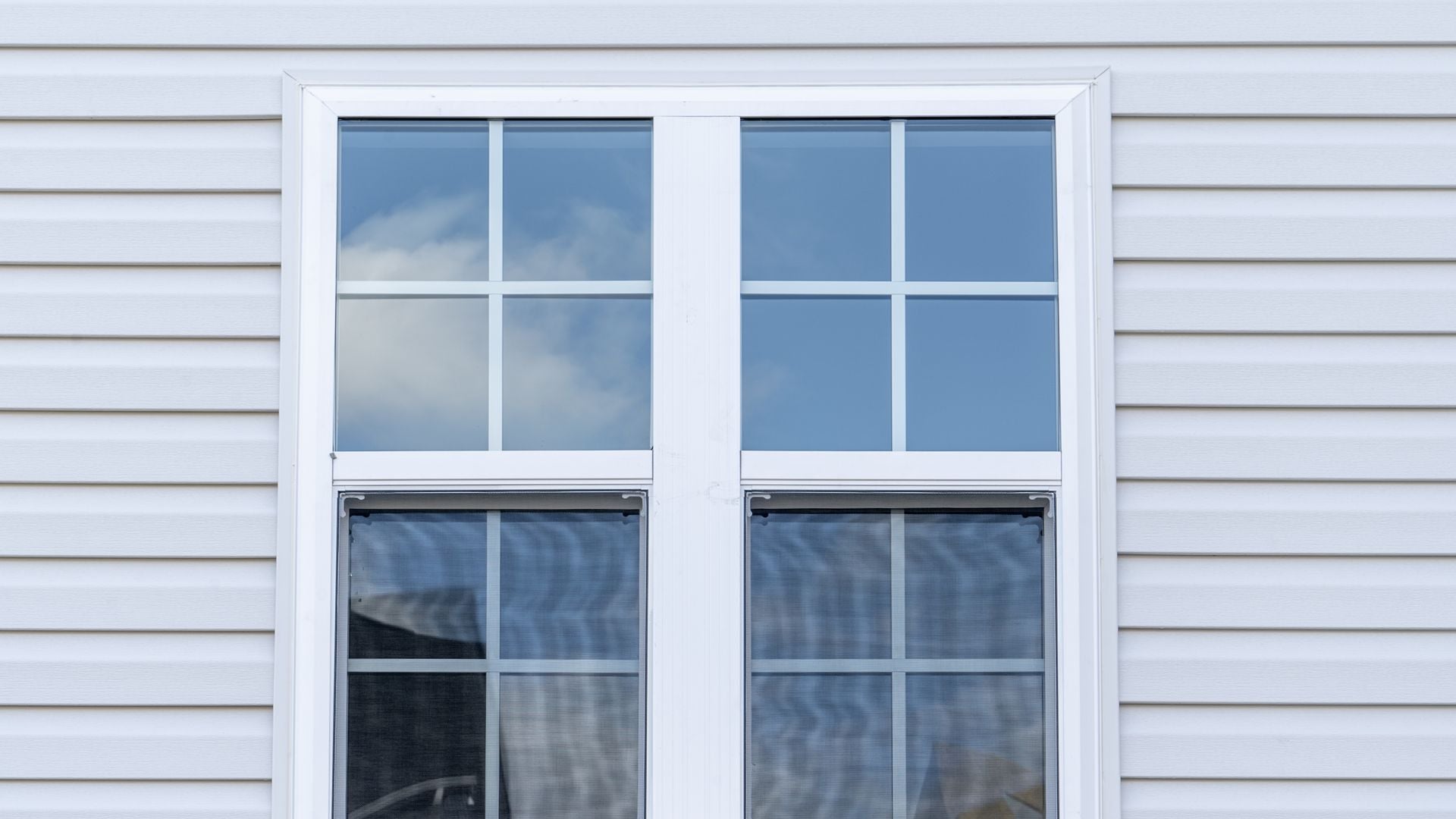
Vinyl windows use polyvinyl chloride (PVC), a durable plastic that manufacturers formulate specifically for window construction. They have become a popular replacement option because they combine good insulation, low maintenance, and affordability.
Vinyl also offers more design flexibility than you might expect. Homeowners can choose from different styles, colors, and finishes to complement their homes, and some products offer wood-look finishes without the upkeep associated with natural wood.
Pros of Vinyl Windows
- Energy efficiency: Vinyl naturally resists heat transfer, helping reduce the amount of heat that moves through the frame. Manufacturers can also build chambers into vinyl frames to improve insulation. When paired with high-performance glass and quality seals, vinyl windows can help limit drafts and keep indoor temperatures more consistent.
- Low maintenance: Vinyl doesn’t need regular painting or staining, and it resists moisture, rot, and corrosion. Routine cleaning usually takes care of most maintenance needs.
- Affordable performance: Vinyl generally costs less upfront than fiberglass and several other window materials. That makes it an appealing option for homeowners who want better insulation and a fresh look without paying a premium for the frame material.
- Design versatility: Vinyl windows come in a variety of styles, colors, and finishes. They can work with traditional and contemporary homes, although the available options vary by manufacturer and product line.
Cons of Vinyl Windows
Vinyl’s flexibility can become a limitation in certain applications. Compared with aluminum and fiberglass, vinyl generally has less structural rigidity, which can make it harder to achieve very narrow frame profiles or accommodate some oversized window designs.
Vinyl also expands and contracts as temperatures change. Quality window construction accounts for this movement, but extreme heat and temperature swings can put more stress on the material. Dark finishes may also affect heat absorption, so homeowners should check which colors and configurations the manufacturer recommends.
For many homes, these trade-offs don’t outweigh vinyl’s combination of affordability, insulation, and easy upkeep. However, it’s worth understanding how vinyl compares with other materials, like aluminum and composite materials before settling on a product.

Schedule a Free Consultation
Get a free home window inspection, talk with one of our design consultants to get product recommendations, and learn about special offers and financing.
Fiberglass Windows
Fiberglass windows use glass fibers combined with resin to create a strong, stable frame material. Manufacturers form these components into window profiles that can withstand the elements while maintaining their shape.
One of fiberglass’s biggest advantages is how little it expands and contracts as temperatures change. Because fiberglass and window glass respond to temperature changes at similar rates, well-designed fiberglass windows can help maintain stable seals over time. Their strength also allows manufacturers to create narrower frames, giving homeowners more visible glass without sacrificing as much structural support.
Pros of Fiberglass Windows
- Strength and stability: Fiberglass resists many of the problems that can affect less rigid materials. It holds its shape well through temperature changes, helping support long-term performance and reliable window operation.
- Insulation: Fiberglass offers good thermal performance, and manufacturers can combine it with insulated glass and other features to improve overall efficiency. Stable frames also help protect the seals that keep unwanted air and moisture out.
- Durability: Fiberglass resists rot and moisture-related deterioration. It also requires relatively little maintenance compared with materials that need regular painting or refinishing.
- Design flexibility: Its strength supports slimmer profiles and larger glass areas. Fiberglass windows also come in a range of colors and finishes, depending on the product line.
Cons of Fiberglass Windows
The main drawback is cost. When compared to vinyl, fiberglass windows typically cost more upfront, reflecting the material and manufacturing process. Some homeowners may find that the added strength, stability, and finish options justify the higher initial investment, while others may prefer vinyl’s more accessible price point.
Fiberglass also doesn’t automatically guarantee better performance in every situation. Glass packages, frame design, hardware, weatherstripping, and installation all contribute to how a window performs as a complete unit.
Wood Windows
Wood has been used in window construction for centuries, and it’s easy to see why. Its natural grain and warmth suit everything from historic homes to modern designs that incorporate natural materials. Homeowners can also paint or stain wood to change its appearance over time.
Wood provides natural insulation, but it behaves differently from vinyl and fiberglass. Because wood responds to moisture, temperature, and changes in its protective finish, it needs more attention to stay in good condition.
Pros of Wood Windows
- Natural appearance: Wood offers a distinctive look that manufactured materials may not fully reproduce. Its grain, texture, and warmth can complement traditional architecture and add character to a room.
- Insulating properties: Wood naturally resists heat transfer, making it a good insulating material. The complete window’s energy performance still depends on its glass, seals, construction, and installation.
- Customizable finishes: Homeowners can paint or stain wood windows to complement interior trim, exterior colors, or architectural details. This flexibility can be especially useful in older homes where matching existing features matters.
Cons of Wood Windows
Wood finishes need periodic inspection and upkeep. Paint or stain helps protect the material, but exposed or damaged areas can allow moisture to penetrate.
Prolonged exposure to moisture can cause wood to swell, deteriorate, or rot. Proper installation, drainage, and finish maintenance help protect wood windows, particularly in the Pacific Northwest’s wet climate.
The purchase price is only part of the long-term expense. Homeowners also need to account for the time and cost of maintaining the finish and repairing moisture damage when necessary.
Aluminum Windows
Aluminum windows use a lightweight metal known for its strength and rigidity. That combination makes aluminum particularly useful for designs that call for narrow frames and expansive glass. You’ll often see it in contemporary architecture, where clean lines and unobstructed views take priority.
Aluminum also handles heat differently from vinyl, fiberglass, and wood. Metal conducts heat readily, so an aluminum frame without thermal improvements can transfer more heat between the indoors and outdoors.
Pros of Aluminum Windows
- Strength: Aluminum’s rigidity allows manufacturers to support large glass panes and narrow frame profiles. This can make it a useful material for architectural designs that call for expansive windows.
- Slim, modern profiles: Because aluminum provides substantial structural support, manufacturers can often reduce the amount of frame visible around the glass. The result is a clean, streamlined appearance.
- Durability: Aluminum doesn’t rot, and its strength helps it withstand everyday wear. Protective finishes help preserve its appearance, although scratches and environmental exposure can affect the finish over time.
- Design options: Aluminum frames come in a range of finishes and colors, making it easier to coordinate them with contemporary exterior and interior designs.
Cons of Aluminum Windows
Aluminum conducts heat much more readily than insulating materials such as vinyl and wood. This can make the frame feel cold in winter and contribute to condensation under certain conditions. It’s important to note that aluminum can corrode under certain conditions, particularly when exposed to salt or incompatible materials. Depending on the product, design, and finish, aluminum windows can cost more than standard vinyl options.
Do Window Materials Affect Energy Efficiency?
Window material absolutely plays a role in insulation, durability, and long-term performance. Vinyl naturally resists heat transfer, while fiberglass offers strength and dimensional stability as temperatures change. Wood is also a natural insulator, though it generally requires more maintenance to protect it from moisture. Keep in mind that the frame is only part of the picture: glass packages, seals, and overall window construction also affect energy performance.
Find the Right Windows for Your Home
The right windows can do more than change the look of your home. They can help maintain comfortable indoor temperatures, reduce maintenance demands, and complement your home’s architecture for years to come. Ultimately, the right window material for your home depends on what matters most to you, from low maintenance to design flexibility and long-term durability.
Not sure where to start? Lake Washington Windows & Doors can help you explore window styles, materials, and features to find options that work for your home and the Pacific Northwest climate. Contact us today.