Most homeowners will spend weeks searching for new windows. From vinyl to fiberglass frames, window styles like casement to double-hung, there are so many options that can completely change the look and feel of your home. However, there’s one key step that many often overlook: the process of how those windows will go into the wall. There are two options to choose from: full-frame and insert.
The type of installation you select can directly affect how long your windows last, especially against the wet Washington climate. A closer look at both options will help you make the best decision for your home and understand which method is right for your windows.
Insert vs. Full-Frame Installation
One approach is to open the wall and reseal the entire window opening, a good option for older homes whose frames may be hiding damage. The other is a more straightforward process that works when your frames are sound.
The difference comes down to how much of the original window stays. An insert, also known as a pocket installation, keeps your existing frame in place and fits the new window inside it. The full-frame approach does the opposite, removing the entire window down to the frame, sill, and trim until only the opening in the wall remains.
An insert tends to cost less, install faster, and preserve your interior and exterior trim, but the new window will sit inside the old frame, which reduces the visible glass area. The full-frame method is more involved and usually more expensive, but every part of the window is brand new, rather than built around the aging window materials you already have.

How a Full-Frame Installation Works
A full-frame installation begins by stripping the window opening back to the bare framing. Your installer removes the sashes, frame, sill, and the interior and exterior trims until only the rough opening in the wall remains. The full teardown helps the installer spot any issues that they could not see if the window frame was left intact. With the opening exposed, they can look for damage like wood rot, water staining, mold, or soft wood.
If the installer spots moisture damage, it is repaired on the spot, while the wall is still open. This method also allows the team to creates a new moisture barrier, with the open wall giving them the ability to insulate the full perimeter of the opening rather than filling the gap between the two frames, and it tightens the seal against both water and air. The new window is then set into the prepared opening, leveled and squared, and fastened to specification.
Because the full-frame approach replaces every part of the window, the final result goes beyond moisture defense. The window, frame, sill, and hardware will all arrive new, so nothing from the original unit is carried over. Full-frame is the best method for upgrading old windows or windows that are showing signs of water damage (like peeling paint or soft wood), or if you want to change the size or style of your window. In any of those cases, the ability to open the wall and start fresh is worth the additional time and cost.
How an Insert Installation Works
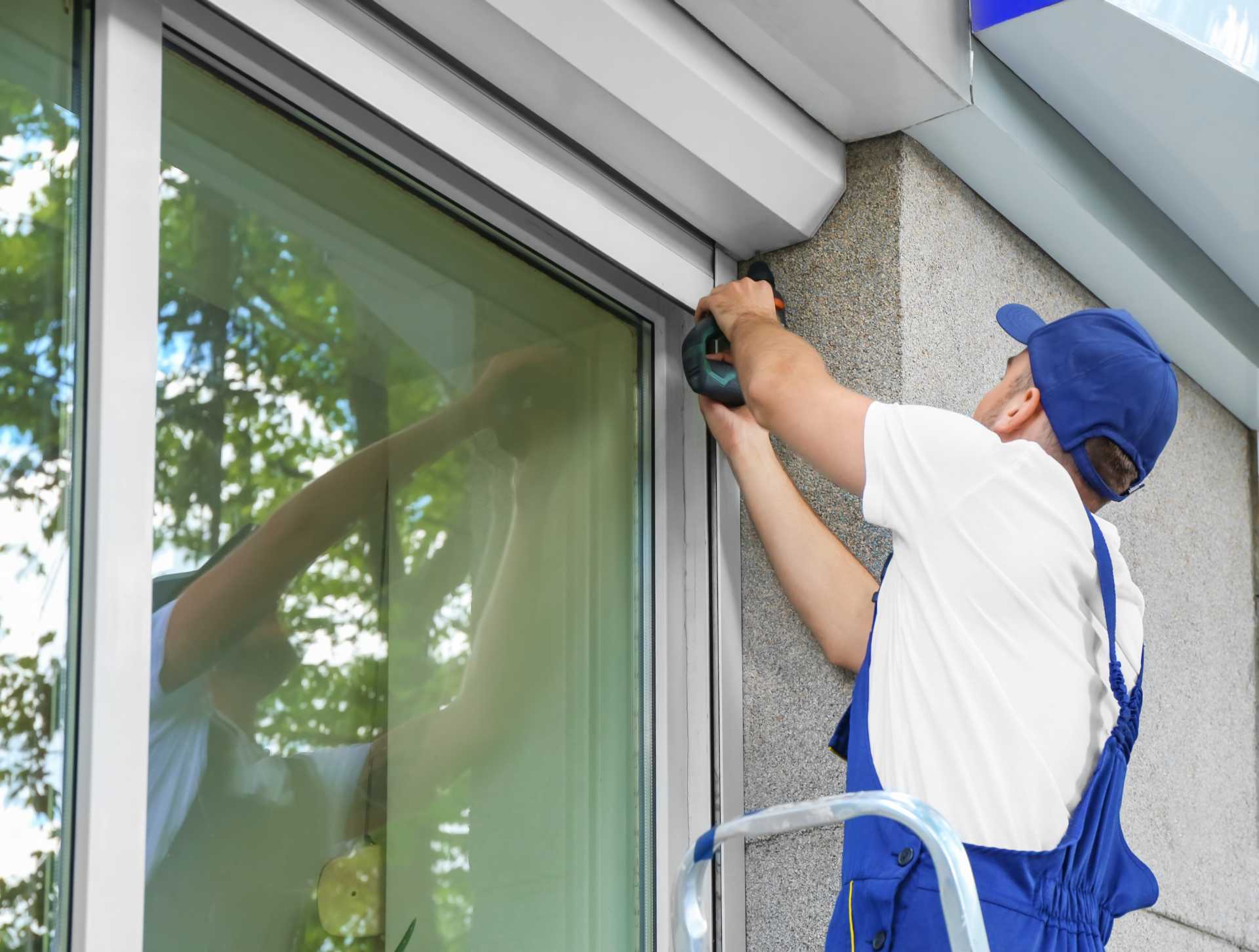
An insert works within your existing window frame. Rather than tearing back the framing to an open wall, your installer only removes the moving parts of the existing window, leaving the old frame, windowsill, and trim in place. They insert the new window replacement into the original frame, set it so it is leveled and squared, and seal and finish the edges.
An insert is a much faster and less invasive project because the existing window frame never leaves the wall. There is no demolition of trim, no repainting where the casing used to be, and no need to repair the interior walls afterward. It also preserves any original trim or molding, which can make an insert installation a more cost-effective method for a window upgrade compared to a full-frame installation.
However, the cost-effectiveness of this type of replacement window installation is completely dependent on the condition of the existing frame. If the frame appears dry without any signs of moisture damage, the insert window replacement will be the more affordable option. But if the frame has any signs of moisture damage or rot, the insert will trap the damage behind a new window, and the problem will continue to spread over time.
Which Window Style Is Right for Your Home?
Not sure where to start with replacement windows? We will help you narrow it down. Answer a few quick questions about your home, style preferences, and project goals. Then, we will recommend the window style and product option that best fits your needs - whether you want more natural light, better airflow, improved energy efficiency, easier maintenance, or a fresh new look. At the end, you will get your personalized window recommendation plus access to an exclusive quiz offer toward your project.
Select all that apply.
Almost Done
Get Your Quiz Results
Enter your email address to see your recommended window style. We will also email you a copy of your results.
How to Choose the Right Option for Your Home
The two approaches suit two different types of homes and homeowner priorities, and the right method for you comes down to several variables. Below are some factors to consider and what both installation types can offer.
| Consideration | Full-Frame | Insert |
| Cost | Higher | Lower |
| Project time | Longer | Shorter |
| Moisture protection | New barrier built around the opening | Relies on the existing frames’ condition |
| Frame and hardware | All new | Original frame used |
| Best suited for | Older homes or windows with moisture damage | Newer homes or homes with structurally sound window frames |
The biggest factor to consider is that you cannot determine the true condition of your existing frames just from their appearance. A frame can look solid but mask the kind of moisture damage that will lead to more issues down the line. An in-person inspection by a professional window installer will help identify moisture damage and guide your decision.

Schedule a Free Consultation
Get a free home window inspection, talk with one of our design consultants to get product recommendations, and learn about special offers and financing.
Get an Expert Assessment Before You Choose
The window you choose and the installation method are two separate decisions, and both will shape everything from curb appeal to how well your home can withstand the Pacific Northwest climate. Full-frame and insert installations each have their own benefits and drawbacks, and ultimately, the right fit will depend on factors like budget, condition of existing frames, and personal timeline goals. If you’re looking to replace windows and preserve the original trim, prioritize a faster and more affordable upgrade, and if the existing frames are in good condition, using the insert method would be the right fit.
Lake Washington Windows and Doors specializes in full-frame window and door installation across Western Washington, serving King County, Pierce County, southern Snohomish County, and Kitsap County. Our team will inspect your current windows and openings, walk you through the options that make sense for your home, and give you a clear estimate with a timeline from order to installation. Schedule your complimentary in-home consultation today, and start your project with confidence.