When you’re looking for replacement windows, it’s easy to focus only on the frames. The right frame material, color, and style are crucial to getting the energy efficiency you want, not to mention a look that suits your home’s character. Besides, all window glass is basically the same, right? Not quite. Not all window glass is not created equal, and the differences matter to your comfort and your energy bill.
The glass used in windows is called window glazing, while it plays a key role in how well your windows insulate your home and maintain a comfortable indoor temperature throughout the year, it’s certainly far from the only part that ultimately matters. There’s more to consider than simply choosing between single-pane and double-pane glass, though that’s an important place to start. Features such as Low-E coatings, insulated glass units, and gas fills can also influence how a window performs.
Ultimately, the right combination of features depends on your home’s needs. Understanding the basics of window glazing, along with getting input from trained window professionals, can help you make the best decision for your home.
What Is Window Glazing?
Window glazing refers to the glass used in a window and, sometimes, the way that glass is configured within the window assembly. As you shop for replacement windows, you may hear the term when a window expert is talking you through the number of glass panes, special coatings, and other features, such as gas fills, that can improve window performance.
For example, a single-glazed window has one pane of glass, while a double-glazed window has two. Triple-glazed windows use three panes. Modern insulated glazing systems can also incorporate coatings and gas fills to improve how well a window manages heat transfer. Finding the right glazing system for your home can reduce heat loss during a rainy, chilly Pacific Northwest winter while limiting unwanted heat gain during the summer months. Essentially, the right window glazing can make rooms more comfortable, regardless of the season.
Glazing also affects how much natural light enters your home, how clearly you can see outside, and how well your windows help limit exterior noise. So, if you want a window that gives you a clear view of your neighbor’s beautiful azalea bushes without also giving you an earful of her rambunctious kids’ basketball game, proper window glazing very much matters.
Which Window Style Is Right for Your Home?
Not sure where to start with replacement windows? We will help you narrow it down. Answer a few quick questions about your home, style preferences, and project goals. Then, we will recommend the window style and product option that best fits your needs - whether you want more natural light, better airflow, improved energy efficiency, easier maintenance, or a fresh new look. At the end, you will get your personalized window recommendation plus access to an exclusive quiz offer toward your project.
Select all that apply.
Almost Done
Get Your Quiz Results
Enter your email address to see your recommended window style. We will also email you a copy of your results.
Types of Window Glazing
Determining how many panes of glass a window should contain might seem like a simple concern, but it’s an important one. Each configuration offers different advantages and drawbacks.
Single-Pane Glazing
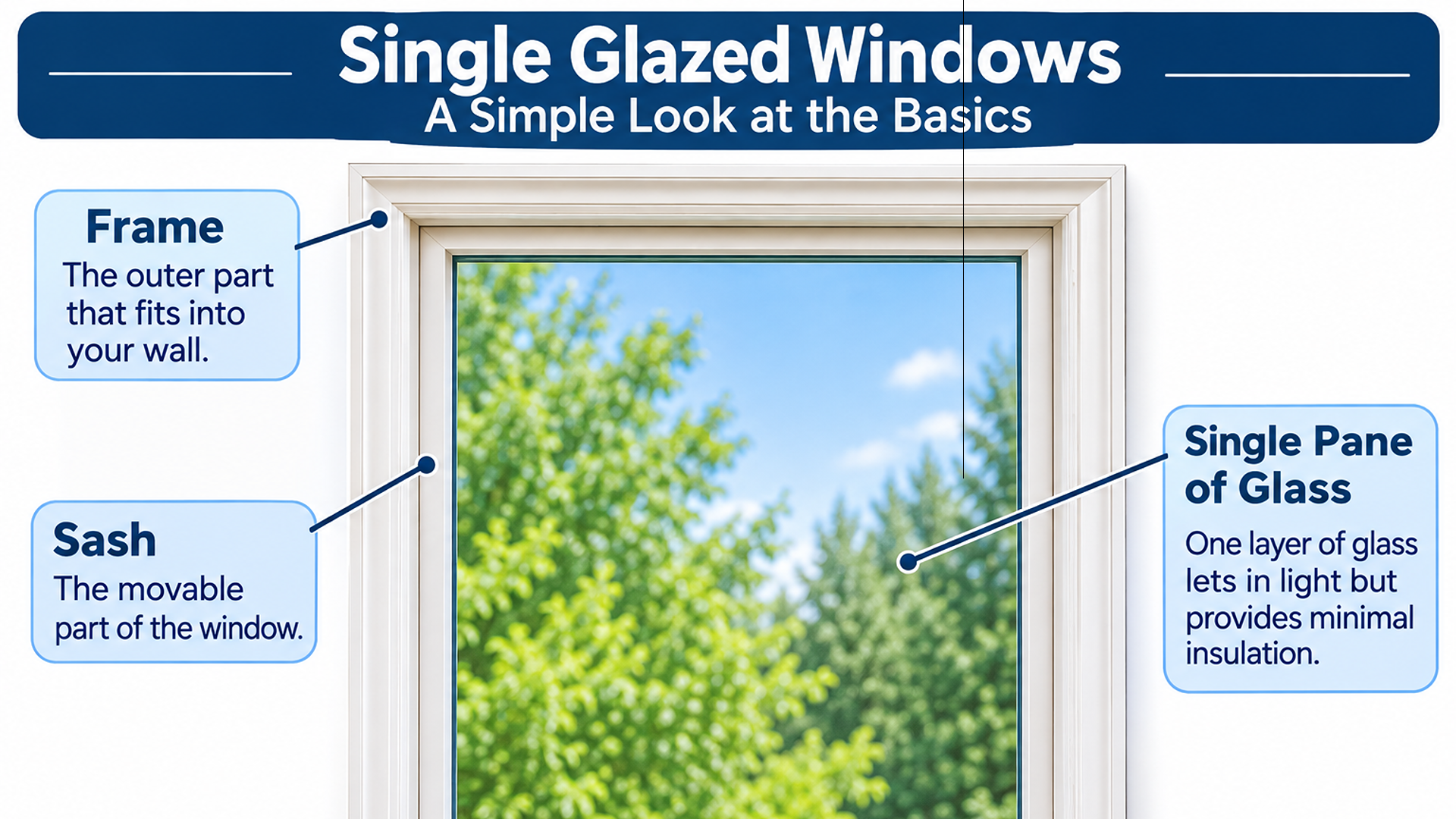
Like the name suggests, single-glaze windows contain just one layer of glass. Although you may still find them in older homes, they generally provide less insulation than modern multi-pane windows. Since there’s no sealed insulating space between multiple panes, heat can pass through single-pane glass more easily. When the weather outside is frightful, and not in a cozy, holiday-song kind of way, this can make it harder to keep your home warm during the winter months, leaving rooms near the windows feeling uncomfortable.
Single-pane windows may still make sense in certain situations, particularly in older homes where preserving the original windows is important. You’ll find them in historic Craftsman homes, older bungalows, and other vintage houses throughout the Pacific Northwest. In designated historic districts, homeowners may also face restrictions on window replacements to preserve a building’s original appearance. Depending on the property and local guidelines, that could mean repairing existing windows or choosing replacements that closely match the original design. If you own a historic home, check with your local preservation office before replacing its windows.
Double-Pane Glazing
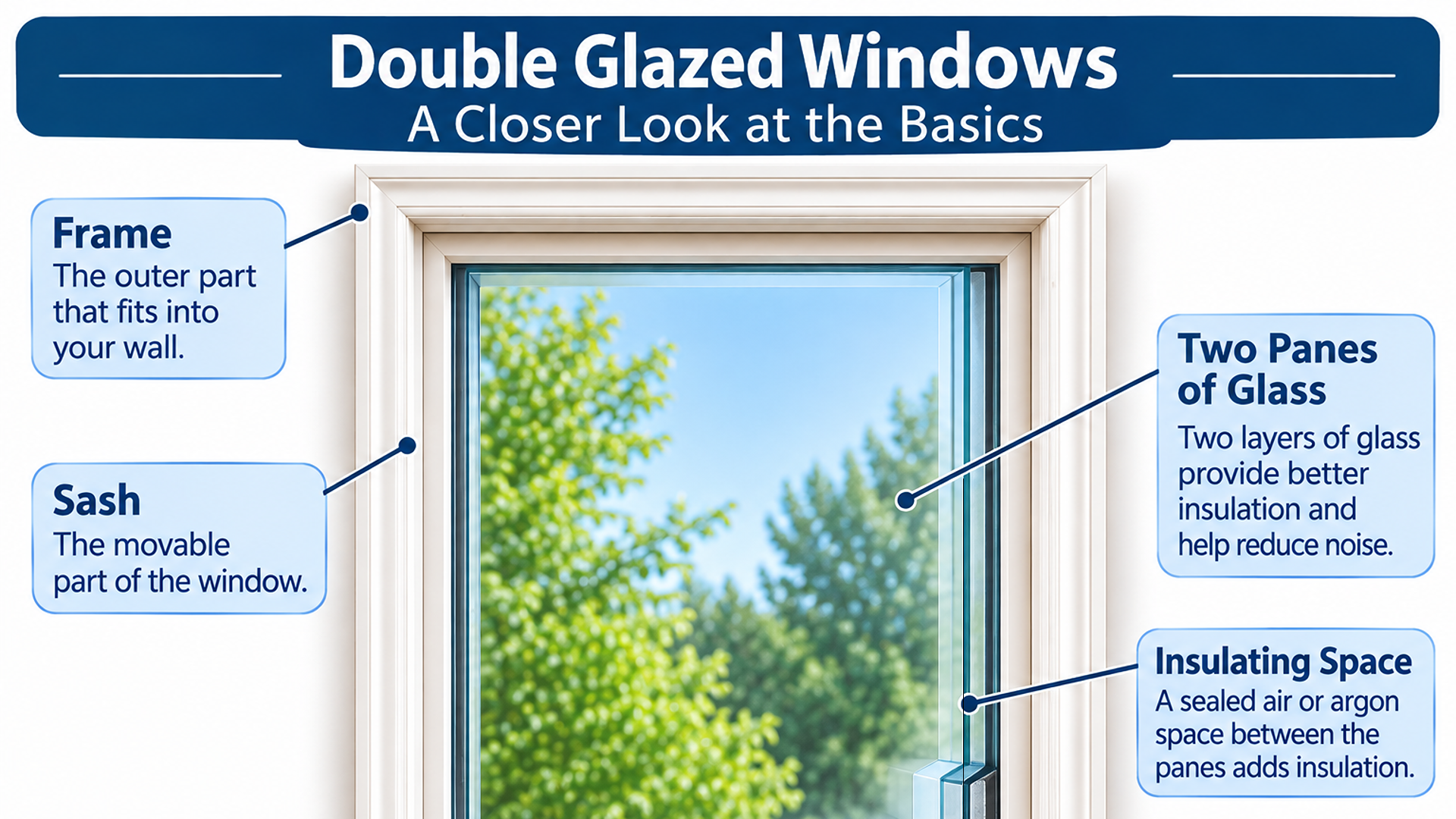
Double-glaze windows contain two panes of glass separated by a sealed space. That space is typically filled with air or an insulating gas, such as argon, to reduce heat transfer.
Compared with single-pane glass, double-pane glazing can help maintain more consistent indoor temperatures and make rooms more comfortable. It can also help reduce outside noise, particularly when the window uses an asymmetric glass configuration, with one pane thicker than the other, or laminated glass designed for sound reduction. Proper installation is important, too. Well-fitted frames and effective seals help minimize gaps that could allow outside noise to enter.
When paired with Low-E coatings and other energy-efficient features, double-pane glazing can provide strong thermal performance without requiring a third pane of glass, making it a popular option.
Triple-Pane Glazing
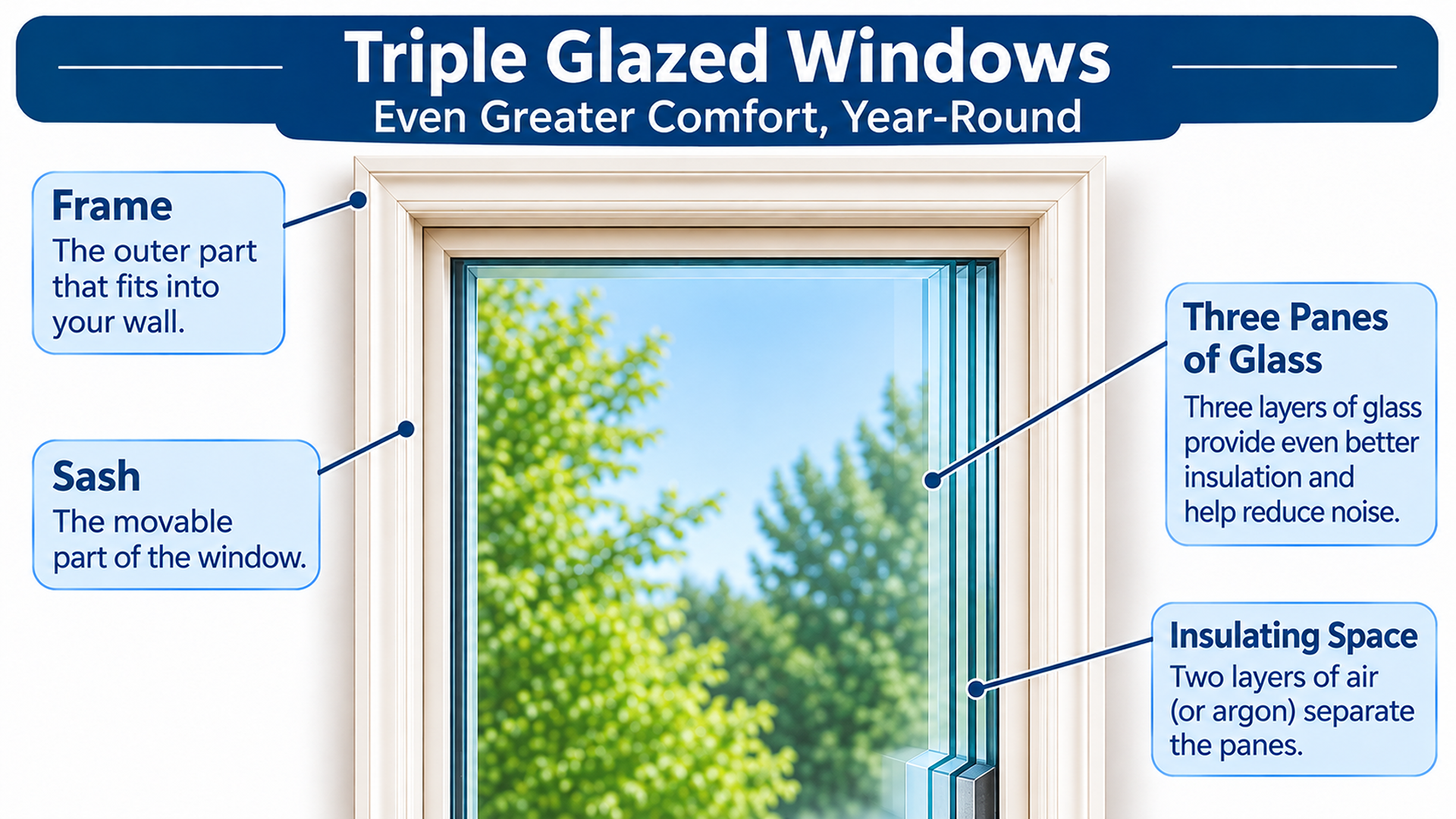
Triple-glaze windows use three panes of glass, creating two insulating spaces within the window assembly. These additional layers can reduce heat transfer and improve indoor comfort.
The benefits may be especially noticeable in rooms where windows face colder conditions or where homeowners want to minimize temperature differences near the glass. Triple-pane windows can also help reduce certain types of exterior noise, although the overall result depends on glass thickness, pane spacing, and the window’s construction.
However, triple-pane glazing isn’t automatically the best choice for every home, since it can add weight and cost, and a well-designed double-pane window may offer equally excellent performance at a more manageable price. Doing additional research and speaking with experts can help you compare how double-glazed and triple-glazed windows could benefit your home.

Schedule a Free Consultation
Get a free home window inspection, talk with one of our design consultants to get product recommendations, and learn about special offers and financing.
Other Factors That Affect Window Glazing Performance
Clearly, the number of glass panes can affect how well a window serves its purpose. But it’s not the only factor that determines whether you can simply enjoy sitting in your room, enjoying the sunshine and the quiet, without worrying about catching a chill or facing a highly inflated energy bill. There are a few other elements to consider, too.
Spacers Between the Glass Panes
Spacers hold the glass panes apart and help maintain the sealed space between them in double- and triple-pane windows. But they do more than keep the glass in place. The material used for the spacers can affect how easily heat passes through the edges of the window.
Traditional metal spacers conduct heat more readily than some alternative materials. In winter, this can leave the edges of the interior glass colder, potentially increasing the chance of condensation. Warm-edge spacers use materials designed to reduce heat transfer, helping the window retain heat more effectively and keep the glass edges warmer.
While spacers are only one part of a window’s overall performance, they can make a difference in indoor comfort and moisture management.
U-Factor and Solar Heat Gain Coefficient
If you’re comparing replacement windows, two ratings can help you understand how their glazing and overall construction might affect energy performance.
- U-factor: Measures how readily heat transfers through a window. A lower U-factor generally indicates better insulation and less heat loss during colder weather.
- Solar heat gain coefficient (SHGC): Measures how much solar radiation enters through a window and contributes to indoor heat gain. A lower SHGC means less solar heat passes through the window.
A lower U-factor is generally desirable when reducing heat loss is a priority, while the ideal SHGC depends on your climate, window orientation, and how much solar heat you want to let in.
It’s worth noting that these ratings apply to the complete window, including the frame, rather than just the glass. To understand how the entire window will perform, compare the ratings of the actual products you’re considering.
How Low-E Coatings Improve Window Performance
Low-emissivity, or Low-E, coatings are thin, nearly invisible layers applied to glass to help control heat transfer. Although ordinary glass allows visible light to pass through, it also allows heat to move in and out of your home. Low-E coatings are designed to reflect certain types of heat energy while allowing useful daylight to enter, making them an important feature of modern energy-efficient windows.
Low-E coatings don’t always work exactly the same way. Some are designed to allow more of the sun’s heat into a home, while others prioritize limiting solar heat gain. The right option for you depends on the climate, window orientation, and your home’s heating and cooling needs.
For Western Washington homeowners, Low-E glass can be particularly useful for balancing insulation and natural light. You can choose windows that help keep your home warmer in the winter without sacrificing the daylight that makes a room feel open and inviting. After all, you want to insulate your home properly so you can enjoy it.
Find the Right Windows for Your Home
Window glazing might not be the first thing you think of when you’re gearing up for a window replacement project, but it plays an important role in ensuring the comfort in “the comforts of home” throughout the year.
That’s why it helps to work with experts who can talk you through your options, from the number of panes to Low-E coatings, and ensure that the installation process is done right. Homeowners in Western Washington can put their trust in the team at Lake Washington Windows & Doors. We understand the unique challenges and considerations involved in finding windows that can hold their own against the Pacific Northwest climate while also adding real aesthetic appeal to your home.
If you’re considering new windows for your Western Washington home, Lake Washington Windows & Doors is here to help you explore your options. Contact us today to start a conversation.