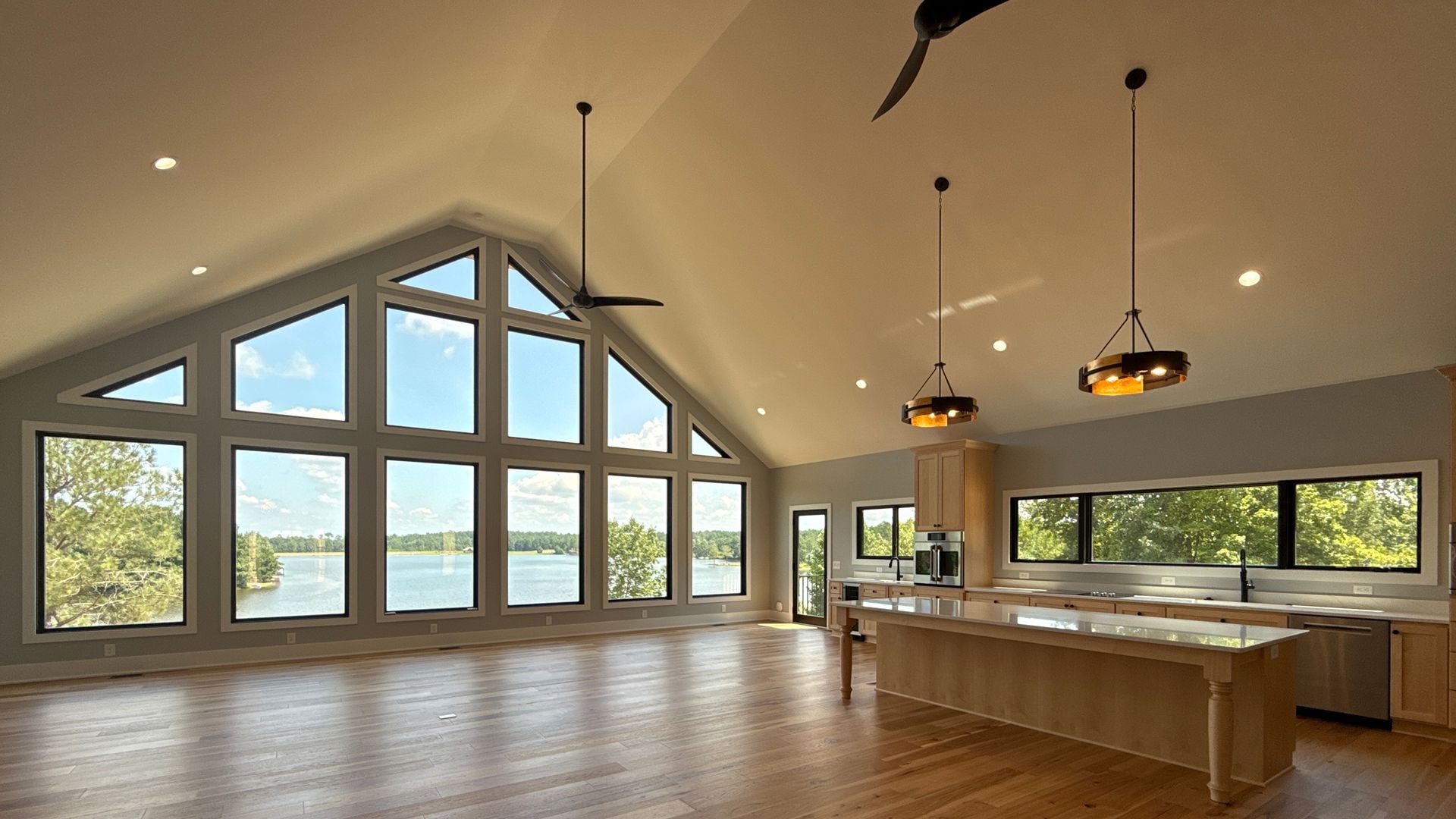
Planning a home design is a fine balance between being practical and creative. You want your space to reflect your personal style, but you also have to consider factors like energy efficiency, privacy, and how well materials can withstand the elements. So, while you’ve always admired how cool floor-to-ceiling windows look, you figured there was no way to make them work for your home.
Don’t be so sure. In the home design battle between your head and your heart, floor-to-ceiling windows can offer a surprising middle ground. They can transform the relationship between your home and the environment around it, capturing more natural light and some truly magnificent views. And when you choose the right windows and glass and have them properly installed, floor-to-ceiling windows can be as practical as they are lovely.
For homeowners in the Pacific Northwest, where the views make floor-to-ceiling windows particularly appealing, this is very good news.
How Glass Performance and Installation Help Floor-to-Ceiling Windows Handle the Weather
You could be forgiven for thinking that floor-to-ceiling windows wouldn’t be practical in the Pacific Northwest. Not with all the rain the region is famous — or perhaps infamous — for, let alone the icy winters and blazing summer sun. But advances in window technology make it possible to enjoy large expanses of glass without sacrificing comfort and performance.
Many window manufacturers offer options designed to improve insulation, reduce noise, and help protect against water infiltration. Professional installers can also help you choose the right framing materials and make sure your windows are properly integrated with the rest of your home’s exterior.
The result can be a floor-to-ceiling window design that addresses some of the less-than-ideal aspects of living in the Pacific Northwest while letting you enjoy Mother Nature from the great indoors.
Which Window Style Is Right for Your Home?
Not sure where to start with replacement windows? We will help you narrow it down. Answer a few quick questions about your home, style preferences, and project goals. Then, we will recommend the window style and product option that best fits your needs - whether you want more natural light, better airflow, improved energy efficiency, easier maintenance, or a fresh new look. At the end, you will get your personalized window recommendation plus access to an exclusive quiz offer toward your project.
Select all that apply.
Almost Done
Get Your Quiz Results
Enter your email address to see your recommended window style. We will also email you a copy of your results.
What to Know About Window Glass Performance
If you looked at a typical exterior wall with a set of X-ray glasses, you’d see insulation behind the siding and drywall that helps slow the movement of heat between your home and the outdoors. Windows don’t have that same solid, insulated barrier. Even high-performance glass generally allows more heat transfer than a well-insulated wall.
With a floor-to-ceiling window project, energy efficiency is top of mind, since you’re replacing a larger portion of an insulated wall with glass. You don’t want to feel like you’re roasting or freezing alive as you watch TV.
To make sure your windows perform well (and you don’t need to wear mittens indoors), look at ratings such as U-factor and solar heat gain coefficient (SHGC):
- U-factor measures how readily heat transfers through the window assembly. A lower U-factor indicates better insulation, which can help reduce heat loss during the cooler months.
- SHGC measures how much solar heat passes through the glass. A lower SHGC blocks more solar heat, which is quite helpful in the summer. It’s also beneficial during the winter, when passive solar gain can reduce heating costs. The right choice for SHGC can depend on where your home is situated, which direction the window faces, and how much direct sun it receives.

Schedule a Free Consultation
Get a free home window inspection, talk with one of our design consultants to get product recommendations, and learn about special offers and financing.
Installation Matters, Too
Installing floor-to-ceiling windows creates a significant opening in your home’s exterior. And if you’re putting your window design into an existing opening, you’ve got added concerns like potential rot or damage in the existing frame or wall. Having an expert on your side who knows how to address these issues if they arise is key to getting your project done on time, within budget, and to your liking.
Experienced installers understand the challenges that come with adding larger, heavier window configurations to your home’s exterior, such as upgrading the wall’s structural support to accommodate the added weight and sealing the opening against water leaks.
Each window needs to be properly integrated with the surrounding wall to help manage water and air — as in keeping them out of your house. Even a high-performance window can fall short if it isn’t installed correctly. In a rainy climate like the Pacific Northwest, this is one project where professional installation can be especially important.
Should Floor-to-Ceiling Windows Be Fixed or Operable?
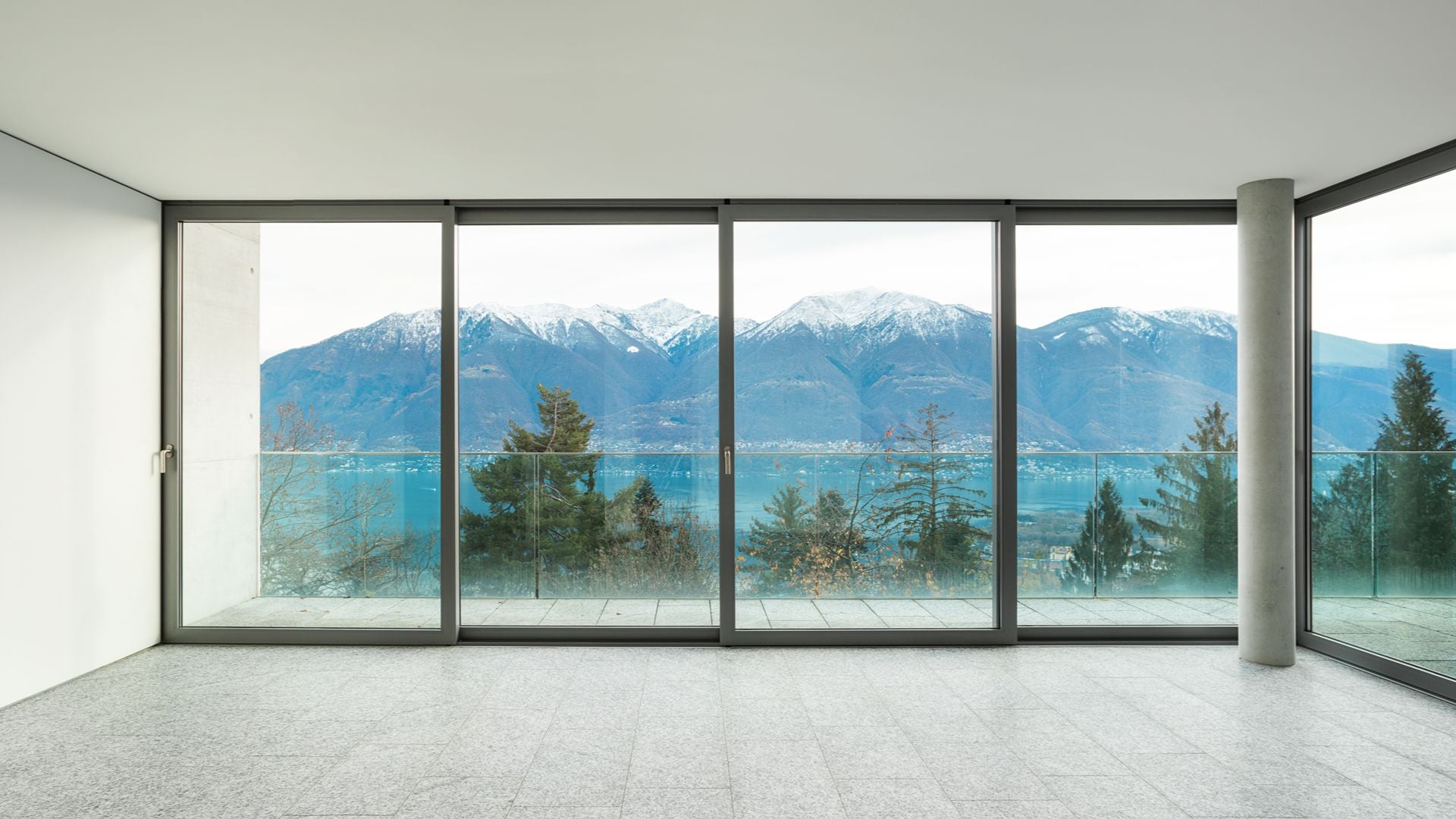
Actually, they can be both. Floor-to-ceiling window designs often combine large fixed picture windows with operable units such as casement or awning windows.
Fixed picture windows are often a good choice when the view is your priority. They can provide broad, uninterrupted areas of glass without the hardware needed to open and close the window.
The downside? They don’t do much for ventilation. That’s where operable windows can help.
- Casement windows work well as part of a broader floor-to-ceiling window design. They open outward from the side, usually with a crank, and can provide substantial airflow. They can be incorporated into a design with larger fixed windows to enhance ventilation.
- Awning windows are hinged at the top and open outward from the bottom, making them another option for ventilation in a larger window configuration.
- Single-hung windows have a bottom sash that moves up and down while the top sash stays fixed.
- Double-hung windows allow both the top and bottom sashes to move up and down. They’re a good option when you want traditional window proportions along with easy ventilation.
You don’t have to stick with one type of window, either. A well-planned design can blend fixed and operable windows, using large fixed windows to frame the view and strategically placed operable windows to bring in fresh air.
Should You Choose Vinyl or Fiberglass for Floor-to-Ceiling Windows?
To choose fiberglass, or not to choose fiberglass? That is the question that many homeowners considering floor-to-ceiling windows eventually face. And the answer is: it depends, but fiberglass can be a particularly good fit for larger window openings.
When you’re choosing a material for floor-to-ceiling windows, the decision isn’t only about appearance or price. The size of the window itself can make the differences between vinyl and fiberglass more important.
While the multi-chambered frames of vinyl windows can provide good insulation, vinyl is generally more flexible than fiberglass. That matters because larger windows can put more stress on the frame, so the strength and stability of the window material is even more important. Fiberglass is generally stronger and more dimensionally stable, which can make it a good material for large windows.
Can Floor-to-Ceiling Windows Work in Different Kinds of Homes?
You might’ve first seen floor-to-ceiling windows in a fancy office building or in your well-heeled neighbor’s sleek modern home. So you could easily assume that this window design only works with houses at the bleeding edge of cool (or that belong to people who say that kind of thing). That’s not the case.
Luckily, floor-to-ceiling windows can work with a much wider range of architectural styles — and odds are, there’s a way to make them work with yours.
- Modern homes: Large window walls are well suited to contemporary architecture. Minimal frame profiles can emphasize the view, while combinations of fixed and operable windows add ventilation without breaking up the overall design.
- Mid-century homes: Floor-to-ceiling glass can reinforce the connection between the interior and surrounding landscape, which is often a hallmark of mid-century style. A combination of fixed glass and narrower operable windows can help preserve the proportions of the original architecture.
- Craftsman and traditional homes: Floor-to-ceiling window designs require a little more planning when a home has traditional detailing. Divided-light patterns and narrower window groupings can work well, depending on your home’s structure.
Regardless of your home’s style, there are a few things to keep in mind when designing floor-to-ceiling windows. Using certain features like muntins (narrow strips of wood, vinyl, or metal that create a grid pattern) or mullions (thicker, heavier structural vertical or horizontal bars that join two separate window frames together side-by-side or stacked) can create unique looks.
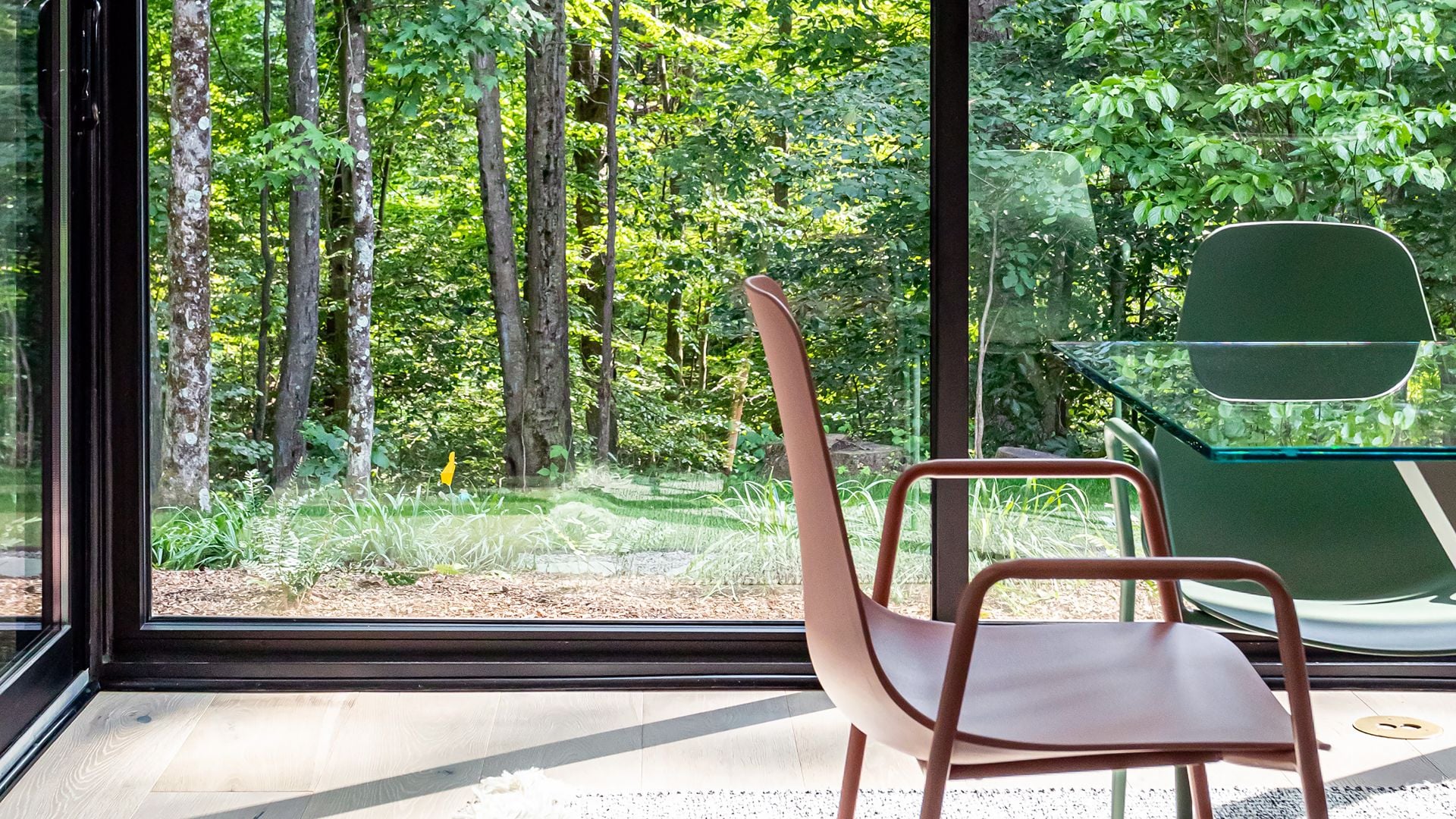
The room you choose for your window design can also make a big difference. Large fixed windows create a broad, uninterrupted view that could be especially striking in a dining room, where you might not be used to staring out at the surrounding greenery while you eat your salad.
That said, you might not love that same setup — or the lack of ventilation — when you’re trying to sleep at night. In a bedroom, adding smaller operable windows may be a better choice.
There’s no single way to incorporate floor-to-ceiling windows into a particular type of home. It all comes down to your priorities.
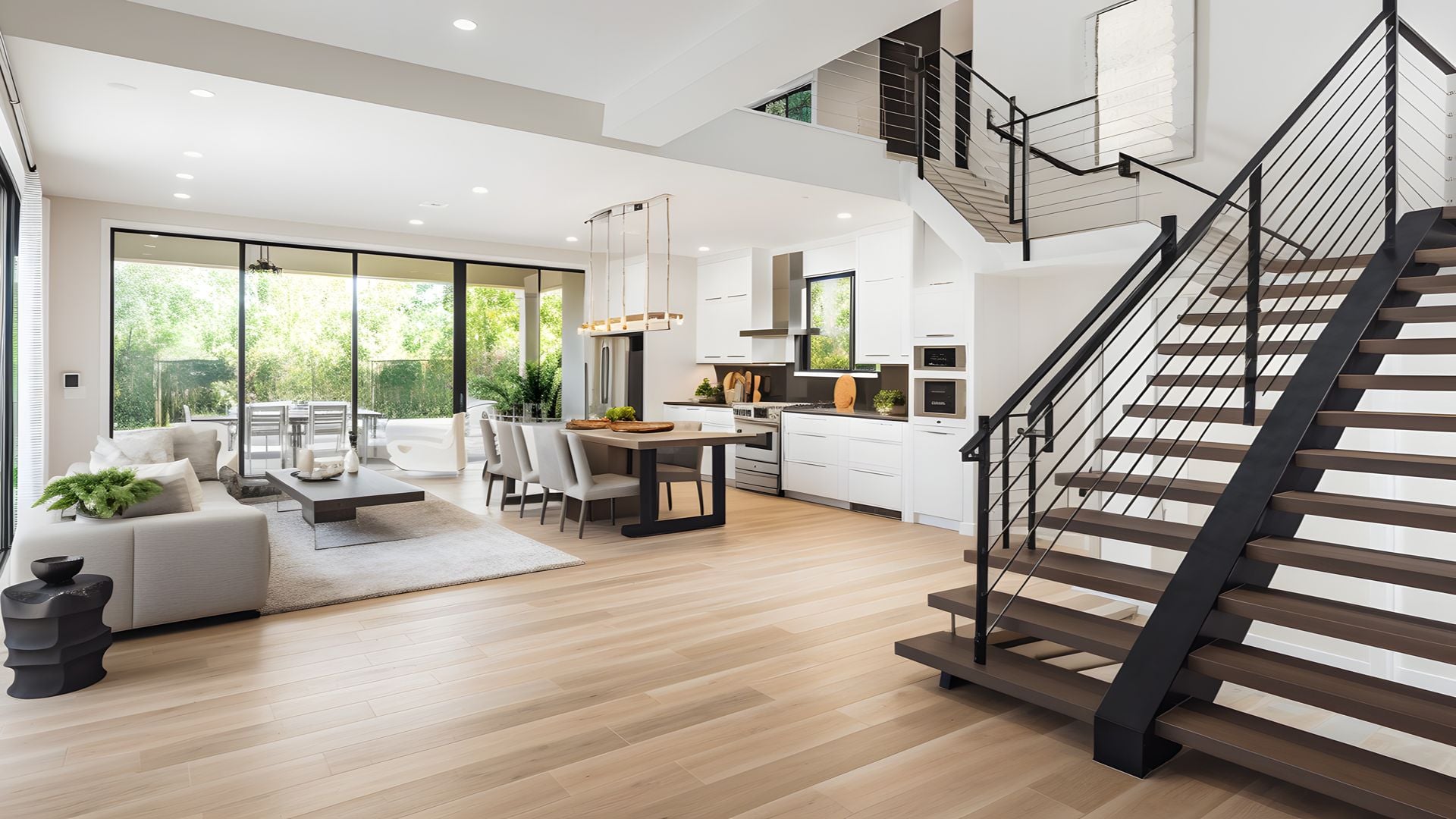
Why Floor-to-Ceiling Windows Work So Well in the Pacific Northwest
There are some obvious reasons why people in the Pacific Northwest, particularly Western Washington, might be tempted to add floor-to-ceiling windows to their homes. Have you seen the leaves changing colors in Tacoma? Or taken in the crisp blue of a clear morning sky in Seattle?
In Western Washington, daylight has a character of its own. Cloud cover and surrounding trees often produce softer, more diffuse light than you might experience in a sunnier climate. Larger windows give that daylight more room to enter the home, even when the sky isn’t exactly cooperating.
And if you love nature, floor-to-ceiling windows can make those views feel like part of the room — only without the bugs — instead of something you only get to experience when you step outdoors.
Trust Our Experts With Your Home’s New Look
The right windows, glass, and installation can help you create a floor-to-ceiling design that suits your home while taking advantage of everything the Pacific Northwest has to offer.
A trustworthy, experienced team of window experts and installers like the professionals at Lake Washington Windows and Doors can help you choose floor-to-ceiling windows that complement your home and personal style. Lake Washington Windows and Doors is proud to partner with leading window manufacturers and work with experienced installers to create beautiful, resilient window designs that help you better enjoy your home.
Schedule your free consultation by contacting us today.