Kitchens are often considered the heart of the home and, as such, deserve special attention. They need good lighting and good ventilation, not to mention protection from the elements. The right windows can do all of these things and so much more.
One type of window you may not have considered is a folding window, or a bi-fold window. They allow tantalizing smells to pour out of your interior, enticing your guests and your neighbors, and for quick and efficient purging of smoke when the temperature is set a little too high. Even better, bi-fold windows are a space-saving, energy-efficient, and durable option that will help your kitchen shine for years to come.
What Is a Folding Kitchen Window?
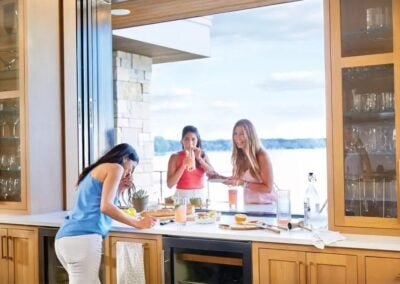
The design of the folding kitchen window will wow guests with ease of use and dynamic ventilation options. These are sleek and specially designed windows that allow unrivaled access to fresh air by stacking the window panes to one side of the frame. Folding kitchen windows enhance the spacious feel of your kitchen, making the outdoors part of your indoor space. The multi-hinge design allows for the entire window to collapse upon itself and sit comfortably to one side while maximizing your airflow.
Which Window Style Is Right for Your Home?
Not sure where to start with replacement windows? We will help you narrow it down. Answer a few quick questions about your home, style preferences, and project goals. Then, we will recommend the window style and product option that best fits your needs - whether you want more natural light, better airflow, improved energy efficiency, easier maintenance, or a fresh new look. At the end, you will get your personalized window recommendation plus access to an exclusive quiz offer toward your project.
Select all that apply.
Almost Done
Get Your Quiz Results
Enter your email address to see your recommended window style. We will also email you a copy of your results.
How Folding Window Panels Open and Stack
Folding kitchen windows, also called bi-fold or concertina windows, are designed to slide along a track. The panes stack perpendicularly to the window frame and align neatly to one side, maximizing space. When they are closed, they look like a normal, continuous window. When they are fully open, the panels collect into a compact stack on the left or right of the frame. They can also be opened with a stack on each side, creating a symmetrical look. Arrangements of the panel can be inward or outward-opening, depending on your preference.


Schedule a Free Consultation
Get a free home window inspection, talk with one of our design consultants to get product recommendations, and learn about special offers and financing.
Benefits and Drawbacks of Folding Kitchen Windows
Folding kitchen windows can be a good option for homeowners who want to create a stronger connection between their kitchen and an outdoor living space. Because the panels fold and stack to the side, they can create a much wider opening than many traditional window styles. This can bring in more fresh air and make it easier to pass food, drinks, and other items between the kitchen and an outdoor counter, patio, or entertaining area.
The folding design can also make these windows relatively easy to operate, particularly over a kitchen counter where reaching a traditional window may be awkward. Rather than pushing a window outward or lifting a sash, the panels slide along a track and fold together at one side of the opening.
However, folding kitchen windows aren’t ideal for every space. The panels need enough room to stack when the window is open, so the available space around the opening should be considered before installation. Screen options may also be more limited or require a separate solution depending on the window design. And because folding windows are designed to create a large, open area, homeowners who prefer to open only the top or bottom portion of a window for ventilation may be better served by another window style.
Ultimately, whether a folding kitchen window makes sense depends on the kitchen layout, available indoor and outdoor space, ventilation needs, and how the window will be used.
Frame Materials, Glass, and Finish Options
Frame material can affect a sliding window’s cost, durability, maintenance needs, appearance, and thermal performance. Vinyl and fiberglass are both popular low-maintenance options, but each has advantages depending on the window and the homeowner’s priorities.

Vinyl Sliding Windows
Vinyl winows are generally more affordable than fiberglass and require relatively little maintenance. Because the material doesn’t typically need to be painted or stained, routine cleaning and occasional hardware maintenance are usually all that’s required.
Vinyl also provides good thermal performance and is widely available in a range of standard sizes, configurations, and price points. Its flexibility can make installation relatively straightforward as well.
One potential drawback is that vinyl expands and contracts more than fiberglass as temperatures change. This can make it less suitable for some climates with extreme heat or significant temperature swings. Vinyl frames may also have a shorter service life than comparable fiberglass frames.
For homeowners primarily concerned with affordability, low maintenance, and readily available configurations, vinyl can be a practical choice.
Fiberglass Sliding Windows
Fiberglass windows generally cost more than vinyl, but the material offers greater rigidity and dimensional stability. Fiberglass expands and contracts very little as temperatures change, which can make it particularly well-suited to climates with substantial temperature variations.
Its strength can also accommodate larger expanses of glass with relatively narrow frames. Fiberglass windows are available in a variety of colors and finishes, although product availability may be more limited than it is for vinyl. Depending on the finish, painted fiberglass may also require occasional touch-ups or repainting over time.
Installation can be more involved due to the rigidity of the material, potentially contributing to higher upfront costs. However, homeowners who prioritize durability, larger window openings, or particular finishes may find those additional costs worthwhile.
Both vinyl and fiberglass can provide good energy efficiency, durability, and relatively low maintenance. The better choice ultimately depends on the window size and design, local climate, budget, and desired appearance.
Performance, Weather Protection, and Installation Planning
In the Pacific Northwest, windows have to stand up to frequent rain, wind, and changing temperatures. When comparing folding kitchen windows, manufacturer ratings for air leakage, water resistance, and structural performance can help indicate how well a particular window is designed to handle those conditions.
How Folding Windows Keep Out the Weather
Folding windows rely on several components working together to create a weather-resistant barrier. Seals and gaskets help prevent air and water from entering around the panels, while locks pull the panels securely into place when the window is closed. Tracks and rollers keep the panels properly aligned so the seals can make consistent contact.
Because folding windows have multiple moving panels and joints, installation also plays an important role in weather protection. The window needs to be installed level and square, with the surrounding opening properly sealed and flashed. Sills and drainage systems should also be designed to direct water away from the window and wall assembly.
At Lake Washington Windows and Doors, folding windows are installed using our proprietary Leak Armor installation system. Developed and refined over more than 30 years, Leak Armor uses multiple layers of flashing, sealants, and pans to help protect the window opening from water intrusion.
The installation method is used for both residential and commercial-grade projects and is backed by the Leak Armor guarantee at no additional cost. While the window itself provides the first line of defense against the elements, proper installation helps the entire window assembly perform as intended over the long term.
Bringing Your Home Into the Fold With Our Folding Kitchen Windows
Browse our catalog of folding kitchen windows and customer testimonials to find your kitchen in a new light. Bring the exterior into the interior, expand the heart of your home, and blow guests away with these standout windows. Our commitment to you is unparalleled, offering top-of-the-line windows that are efficient, safe, and durable. Our Leak Armor protection and the warranties that come with our windows give you peace of mind for many years to come. Schedule your free in-home estimate today and explore how we can bring your windows to the next level at Lake Washington Windows and Doors.