A good patio window has four jobs to do at once. It needs to bring in light, frame the view, let in air when you want it, and hold up against everything Western Washington weather can throw at it over the years. This guide walks through the window styles that perform best in a patio-facing room and what matters most for homes in our region.
The Best Window Styles for Spaces That Open Onto a Patio
There isn’t a single best style of patio window across the board. A reading nook off the patio might call for a picture window and nothing else, while a kitchen or dining room that gets warm in summer benefits more from a casement or a double-hung that gives you more control over airflow. However, five window styles consistently perform well in patio-facing rooms.
Picture Windows
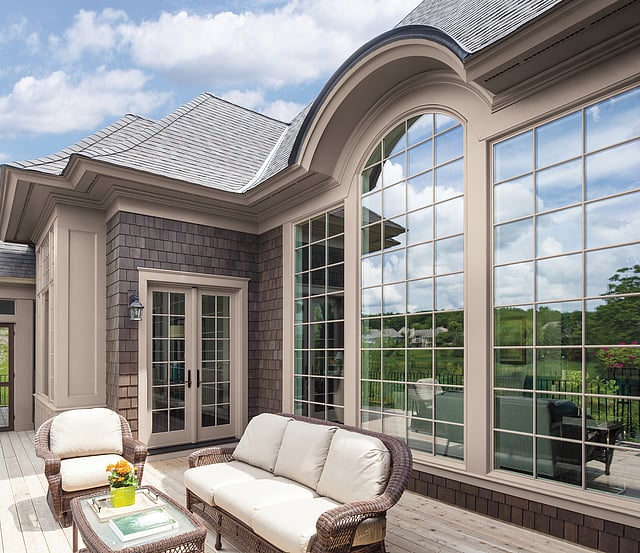
Picture windows are fixed in place and don’t open at all, but that’s exactly what makes them the strongest option for view and light. With no sash, no hinge hardware, and no frame divisions running through the glass, a picture window gives you the largest unbroken pane available for a given opening size, which matters most in a room where the patio view is the main draw. The tradeoff is that they contribute nothing to airflow, so they’re almost always installed alongside a nearby operable window or patio door.
Casement Windows
Casement windows hinge on one side and crank outward on a gear mechanism, which opens the entire sash to airflow. Because the sash presses into the frame on all sides when closed, casements seal more tightly than most other operable styles, which keeps drafts and moisture out during the months when the window stays shut. The one practical limit is swing clearance: a casement needs open space on the patio to operate, so it’s a better fit for openings that aren’t crowded by furniture, planters, or a narrow walkway.
Horizontal Sliding Windows
Sliding windows move horizontally along a track. Depending on the configuration, either one sash slides while the other stays fixed, or both sashes slide independently. Because the operable sashes stay inside the same plane as the frame, sliding windows need no exterior swing clearance at all, which makes them a practical choice for patios where furniture or a walkway sits close to the wall. Horizontal sliding windows offer a clean, low-profile look and a wide glass area, which makes them a common choice for rooms that want to make the most of the window’s view while still being able to open it.
Hung Windows
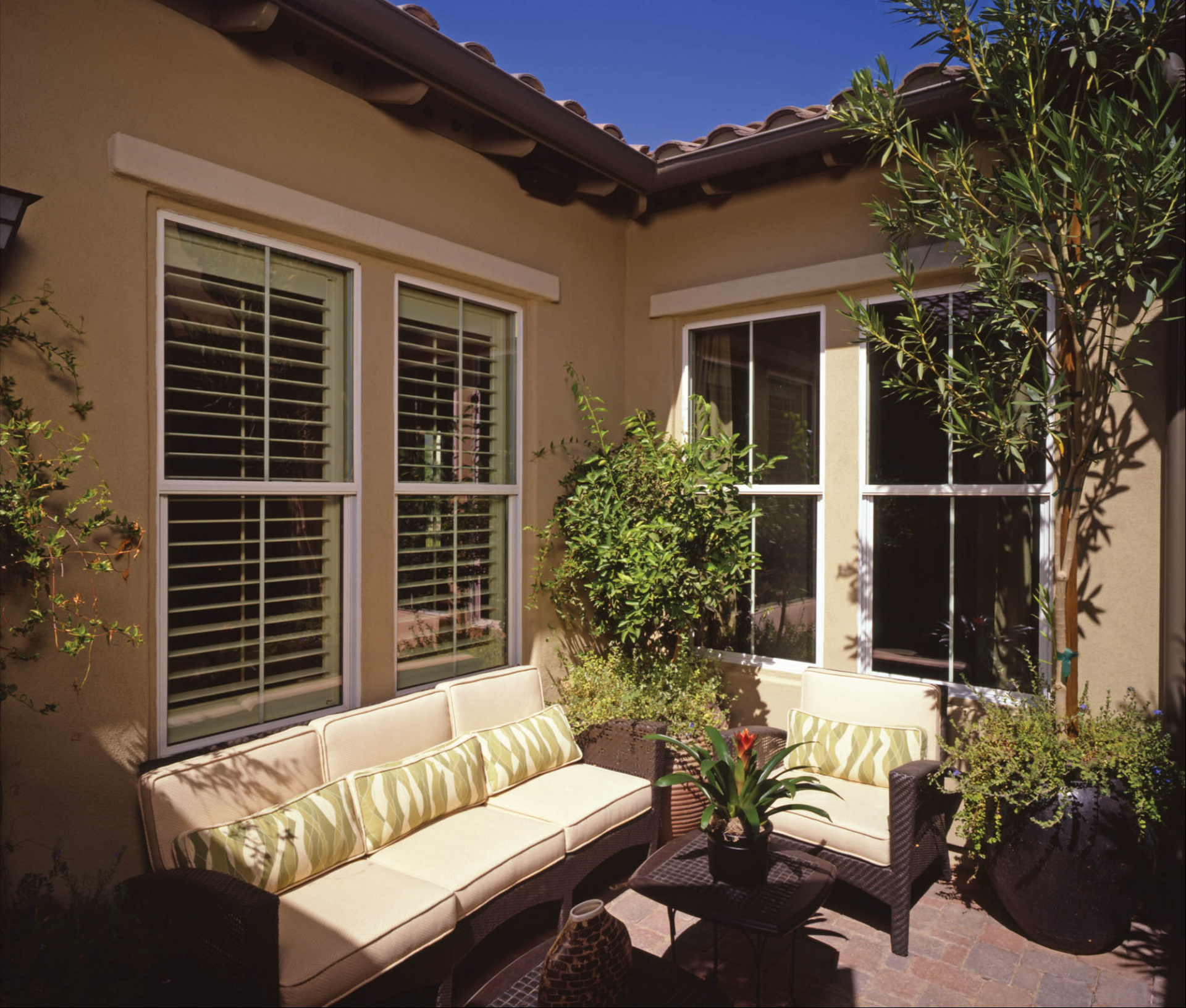
Single- and double-hung windows both have an upper and lower sash within the same frame. A single-hung window opens only at the bottom, while a double-hung window has two operable sashes. That extra sash is the main advantage of double-hung over single-hung or other single-sash styles, since it gives you more control over where the airflow actually moves through the room. Single-hung windows are generally the more affordable option of the two, making them worth considering if airflow control matters less than fitting within the project budget.
Awning Windows
Awning windows hinge at the top and swing outward from the bottom, so the open sash angles slightly away from the house rather than swinging fully clear of the frame. That angle allows you to crack the window open for airflow even during light rain, since the glass itself sheds water down and away from the opening instead of letting it run straight in. Awning windows are most often placed above or beside a picture window rather than used on their own, adding ventilation to a wall that’s otherwise built around the view. They’re a particularly good fit for a patio wall where you want fresh air on damp days without closing the window every time the weather turns, which in Western Washington is often.
Which Window Style Is Right for Your Home?
Not sure where to start with replacement windows? We will help you narrow it down. Answer a few quick questions about your home, style preferences, and project goals. Then, we will recommend the window style and product option that best fits your needs - whether you want more natural light, better airflow, improved energy efficiency, easier maintenance, or a fresh new look. At the end, you will get your personalized window recommendation plus access to an exclusive quiz offer toward your project.
Select all that apply.
Almost Done
Get Your Quiz Results
Enter your email address to see your recommended window style. We will also email you a copy of your results.
What Western Washington Patios Need From Their Windows
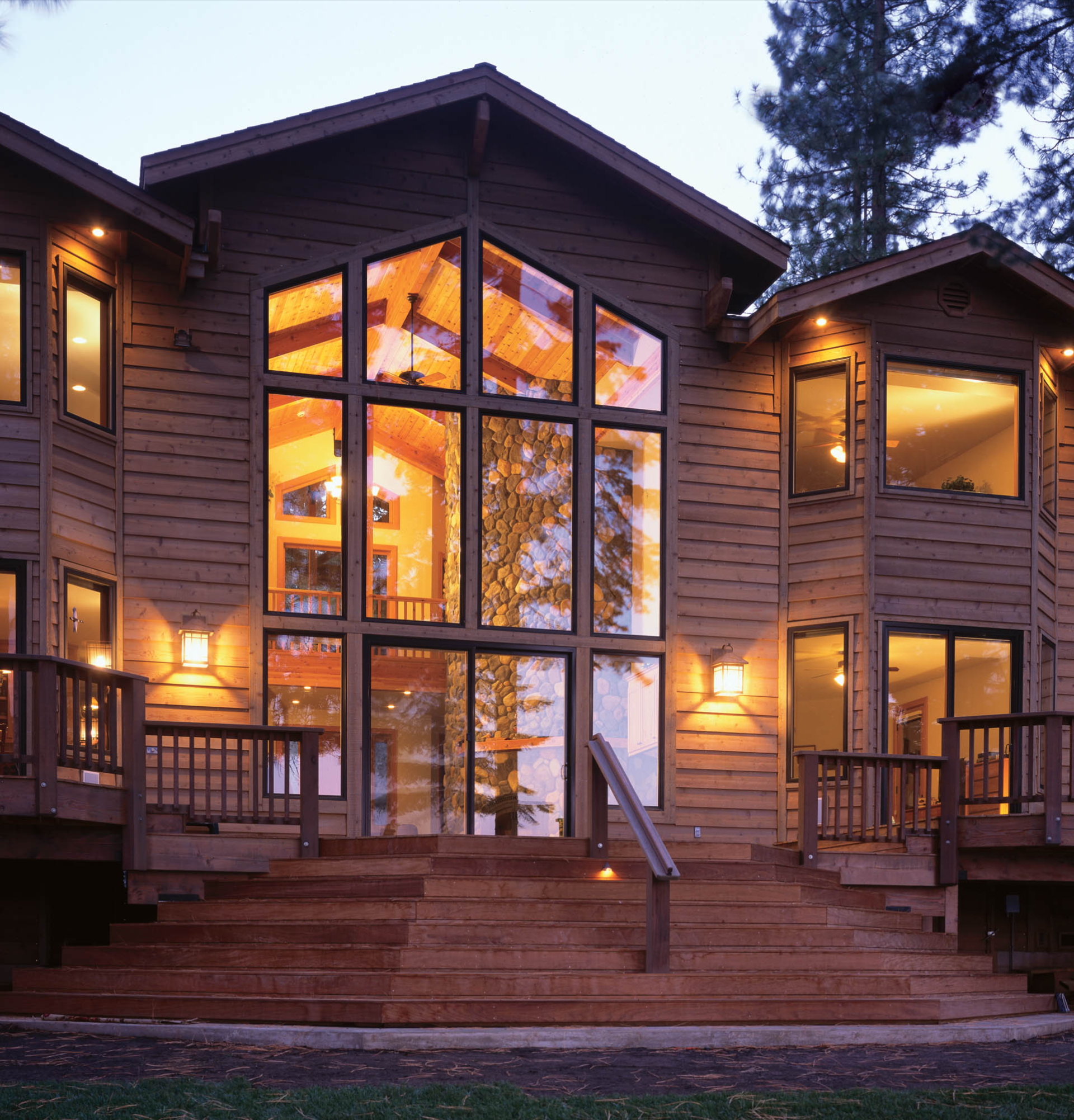
Western Washington’s climate puts specific demands on patio windows. Seattle’s updated 30-year climate average now stands at 39.34 inches of annual rainfall, up from the previous 37.49-inch normal, according to National Weather Service data. That means a patio window isn’t just decorative, it’s a year-round barrier against sustained, repeated moisture exposure rather than occasional storms.
- Frame material: Vinyl and fiberglass frames resist the swelling and warping that wood and lower-grade materials are prone to under constant damp conditions, holding their shape and seal through years of repeated wet weather.
- Seal quality: A tight seal around the sash keeps wind-driven rain from finding its way in during the wetter months, which matters more here than in climates where rain is occasional rather than constant.
- South and west-facing orientation: These walls pick up more direct sun during the limited stretches of clear Pacific Northwest summer, so glass with a Low-E coating helps manage heat gain without sacrificing the light that makes the window worth having in the first place.
- North and east-facing orientation: These wall orientations see less direct sun year-round, which means less heat gain and less glare without needing to compensate through glass coatings. They tend to bring in softer, more diffuse light rather than the intense afternoon sun that south and west wall orientations pick up during clear stretches.
- Energy performance: Weather resistance and energy performance go hand in hand in this climate. A window that seals out moisture is also a window that holds its temperature, which matters through both the wet winters and the warmer stretches our summers increasingly bring.

Schedule a Free Consultation
Get a free home window inspection, talk with one of our design consultants to get product recommendations, and learn about special offers and financing.
Bringing the Right Windows to Your Patio
Lake Washington Windows and Doors fits patio-facing windows for homes across Western Washington with products built for exactly these conditions. The Anlin Del Mar and Coronado lines pair strong energy performance with a slimmer frame option for homeowners who want to maximize glass area, and the Milgard C700 Series offers a fiberglass build that holds up well against the swelling and seal failures that damp climates can cause in lesser materials.
If you’re weighing a window against a door for your patio, or trying to decide which window style fits the room, request a complimentary in-home consultation, and one of our specialists will walk the space with you and recommend the right fit for your home and budget.