
Replacement windows are built for durability, energy efficiency, and long-term performance, but they still require proper care. Modern features such as Low-E glass window coatings, insulated panes, vinyl or fiberglass window frames, and advanced weatherstripping improve comfort and efficiency. However, they can be damaged by harsh cleaners or improper tools. Using the correct products and cleaning methods helps protect the glass, frames, seals, and hardware so your windows continue to look and perform like new.
In this guide, you will learn what to use to clean windows safely, what products to avoid, and how to clean glass, frames, tracks, and screens. We will also cover how cleaning differs by window type and when hiring a professional may be the right decision.
What To Use To Clean Windows
The safest and most effective approach to cleaning most replacement windows is with gentle, non-abrasive products and soft tools that protect Low-E coatings, insulated glass units, and modern frame materials. Strong chemicals are rarely necessary. In most cases, mild window solutions and the right cloths will safely remove dirt, fingerprints, and everyday buildup.
Safe Cleaning Solutions
Modern glass windows and window frames are durable, but they respond best to gentle products that remove dirt without breaking down coatings or finishes. The following safe cleaning solutions are appropriate for most modern replacement windows:
- Mild dish soap mixed with distilled water is a reliable homemade window cleaning solution that removes dirt and residue without damaging glass coatings or frame finishes.
- A white vinegar and warm water solution helps cut through light mineral buildup and leaves glass clear when used with a soft cloth.
- Ammonia-free commercial glass cleaner labeled safe for modern glass can be used when you prefer a store-bought option, as long as it is a mild detergent that does not contain harsh chemicals.
Recommended Tools
Using the right tools is just as important as choosing the right cleaner. The following soft, non-abrasive materials help prevent scratches, reduce streaking, and protect seals and finishes:
- Soft sponge or lint-free cloth for washing helps lift dirt without scratching the glass surface.
- Dry microfiber cloth reduces streaking and leaves a clean, lint-free finish while drying and polishing.
- Rubber squeegee blade for streak-free cleaning on larger windows allows you to remove excess water efficiently while minimizing water spots.
- Vacuum with brush attachment for tracks and sills removes loose debris before moisture is introduced.
- Soft-bristle brush for cleaning window tracks and corners helps loosen buildup without damaging weatherstripping or drainage areas.
What Not To Use To Clean Windows
Many common household cleaners and tools can damage modern replacement windows. Using the wrong products can lead to scratched glass, weakened seals, clogged drainage systems, premature wear, and can even void your window warranty. Here are the products and tools to avoid:
- Ammonia-based cleaners can break down coatings, discolor frames, and damage Low-E glass and certain frame finishes over time.
- Abrasive pads, scouring sponges, or steel wool can scratch glass and leave permanent marks that affect clarity and appearance.
- Razor blades on coated glass can permanently damage the surface and strip or scratch protective coatings.
- Pressure washers can force water past seals and into wall cavities, risking moisture intrusion and long-term structural damage.

Schedule a Free Consultation
Get a free home window inspection, talk with one of our design consultants to get product recommendations, and learn about special offers and financing.
How To Clean Replacement Windows Step-By-Step
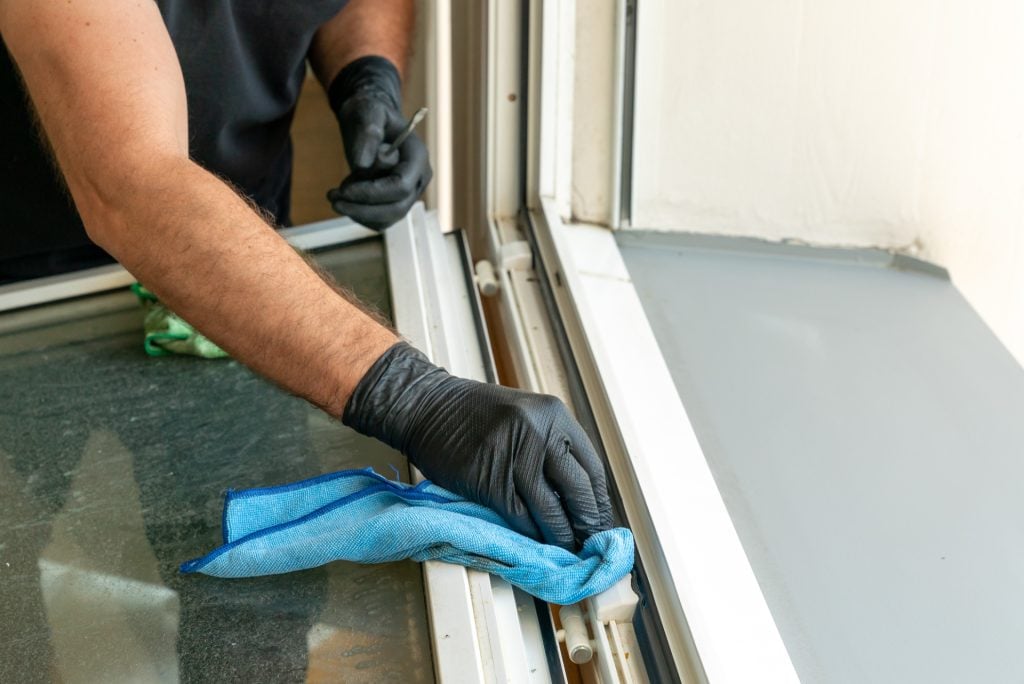
Cleaning replacement windows the right way protects the glass, frames, seals, and hardware. Here are our best tips for a simple process to prevent streaking, scratching, and accidental damage.
- Remove loose dirt and clean tracks. Open the window completely and focus on the sill and tracks. Use a vacuum with a brush attachment to remove dust and debris from corners and channels. Then use a soft-bristle brush to loosen any remaining buildup. Wipe the area with a damp cloth and inspect the weep holes, which allow water to drain from the frame. Make sure they are free of blockages so moisture does not collect inside the window system.
- Wash the glass panes. Spray cleaner or apply it with a soft sponge or lint-free cloth, working from top to bottom. Avoid soaking the edges of the glass excessively, especially near seals.
- Dry glass with a squeegee or microfiber cloth. Starting at the top, pull downward in smooth strokes. Wipe the blade clean between passes. For smaller windows, a clean microfiber cloth works well to dry and polish the surface without leaving lint.
- Clean vinyl or fiberglass frames with the same mild soap solution and a soft cloth. Avoid abrasive scrubbing. For aluminum-clad exteriors, use a gentle cleaning liquid and rinse thoroughly to prevent residue buildup.
- Remove and clean window screens with water or mild soap and a soft brush for heavier buildup. Allow screens to completely dry before reinstalling to prevent trapping moisture.
Cleaning Different Types Of Replacement Windows
While the basic cleaning solution stays the same, the way you access and handle each window can vary significantly by style. Understanding how all the window types operate helps you clean the glass safely, protect moving parts, and avoid putting stress on hardware or seals.
Single- And Double-Hung Windows
Single- and double-hung windows operate using vertical sashes, with single-hung windows featuring a fixed upper sash and double-hung windows featuring two operable sashes. Many modern double-hung replacement windows include tilt-in sashes, allowing you to clean the exterior glass from inside your home.
Unlock and tilt the sash inward carefully, supporting it as you clean, and avoid forcing the tilt latches to prevent damage. Vacuum the vertical tracks first, then wipe them clean to maintain smooth operation and protect long-term performance. Before closing, ensure the sash locks securely back into place.
Sliding Windows
Sliding windows operate horizontally along a track, which makes track maintenance especially important. Before cleaning the glass, vacuum the lower track and corners to remove dirt and debris. Wipe the track and ensure drainage paths remain clear. Clean the glass panels and avoid forcing the sash as you slide it open or closed.
Casement, Awning, and Basement Hopper Windows
Casement windows are hinged on the side and open outward with a crank handle, awning windows are hinged at the top and open outward from the bottom, and basement hopper windows tilt inward from the top.
Open fully to access exterior glass from inside when possible. Gently wipe down hinges, crank mechanisms, and surrounding frame areas without getting the hardware too wet. Because basement hopper windows are typically installed at or below ground level, they often collect more dirt, cobwebs, and debris, so be sure to clean the sill area thoroughly to maintain proper drainage and sealing performance.
Picture and Transom Windows
Picture and transom windows are fixed and do not open, which means cleaning focuses entirely on the glass surface and the surrounding frame. Interior cleaning is straightforward using a mild soap solution and a microfiber cloth or squeegee for larger panes. Because these windows are often installed higher on walls or above doors, exterior access may require a ladder or professional service, depending on placement. Avoid applying excessive pressure when cleaning large fixed panes, and make sure to make a final pass, wiping down the frame edges where dust can collect.
Bay and Garden Windows
Bay and garden windows extend outward from the home and typically include multiple glass panels joined at angles. Clean each pane individually and pay close attention to frame joints and corners where dust and debris can collect. Because these windows project outward, exterior surfaces on upper floors may be harder to reach and sometimes require professional cleaning for safety.
When To Hire Professional Window Cleaners
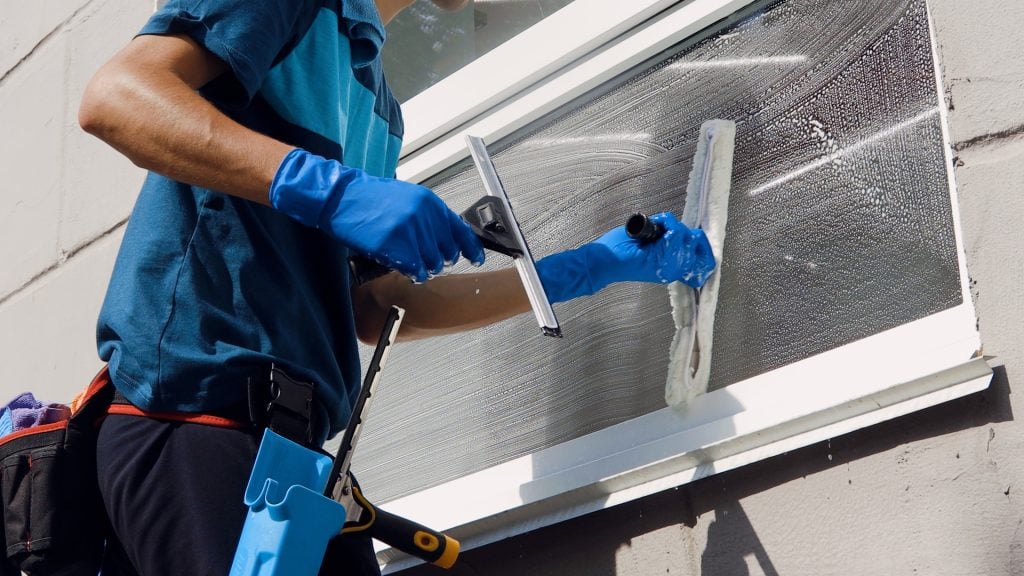
While many homeowners can handle routine cleaning themselves, there are situations where professional window cleaning is the safer and more effective choice. Multi-story homes, large picture windows, and hard-to-reach exterior windows often require ladders or specialized equipment. In these cases, safety should come first.
Professional cleaning may also be helpful if you are dealing with stubborn spots and mineral deposits, heavy hard water staining, or post-construction debris that cannot be removed with mild solutions. Improper attempts to scrape or aggressively clean the glass can permanently damage coatings and seals.
If your windows are still under warranty, hiring a professional who understands modern replacement windows can help reduce the risk of accidental damage. Knowing when to handle cleaning yourself and when to bring in a professional helps protect both your home and your investment.
Taking a Closer Look At Your Window Performance
Cleaning your windows properly is one of the simplest ways to protect your home’s comfort, efficiency, and appearance. Using the right products, avoiding harsh chemicals, and maintaining tracks and drainage areas helps preserve smooth operation and clear glass for years to come. A little routine care goes a long way in protecting seals, coatings, and frame finishes.
If you are noticing fogging between panes, drafts, difficulty operating your windows, or visible wear on frames and seals, it may be time to have them evaluated by a professional.
Lake Washington Windows and Doors provides homeowners with high-quality replacement windows backed by expert installation and strong manufacturer warranties. If you want clarity about the condition of your current windows or are considering an upgrade, schedule your complimentary in-home window consultation today. Our team will assess your windows, answer your questions, and help you choose the right solution for your home.