Most residential doors are manufactured in standard sizes to make installation more predictable, reduce costs, and simplify future replacements. When planning a door project, understanding typical measurements helps you determine what will fit your existing opening and how door size can influence both the appearance and function of your home.
In this guide, we’ll break down standard door sizes for interior doors, front entry doors, sliding patio doors, French patio doors, and stacking glass walls. We’ll also explain when custom sizing makes sense and how rough openings factor into proper installation.
Standard Door Sizes by Door Type
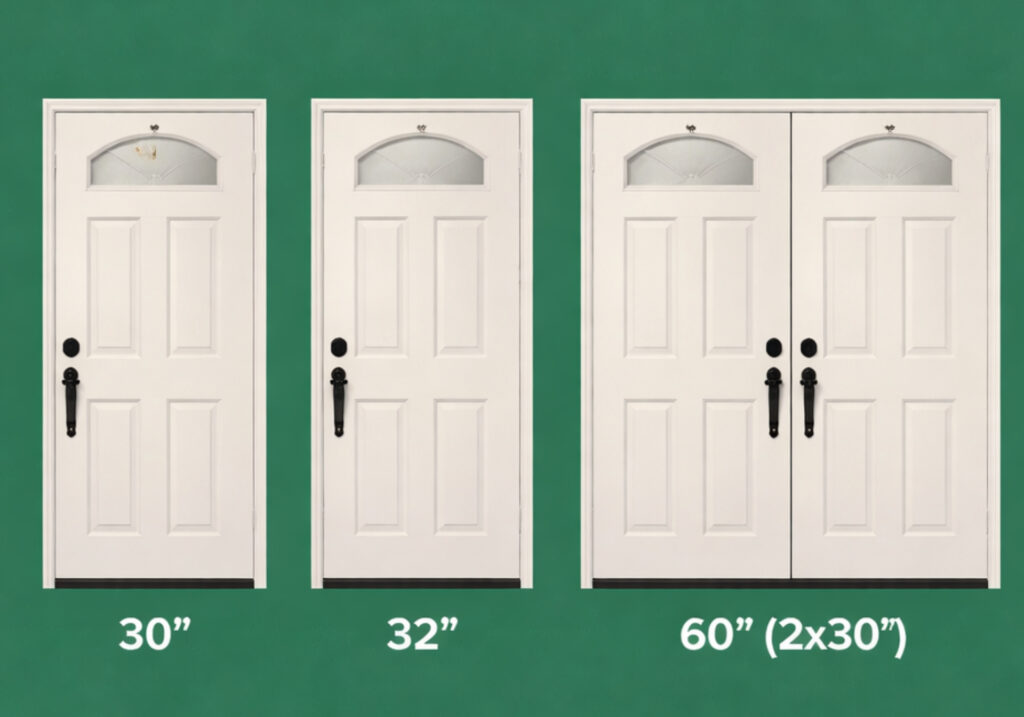
Residential doors are produced in a limited range of common dimensions so they align with standard framing practices. These preset door slab sizes make new construction easier and simplify future door replacements. When a new door opening is built to standard measurements, homeowners can usually replace the unit without modifying the surrounding wall. While manufacturers may offer additional variations, these dimensions represent what is typically considered standard.
Interior Door Sizes
Interior doors fit common residential wall openings, which keeps framing consistent throughout a home. Most interior doors are 80 inches tall with a standard door thickness of 1-3/8 inches, while widths vary by room type.
| Door Type | Common Widths | Common Height |
| Passage doors | 28″, 30″, 32″, 36″ | 80″ |
| Closet doors | 24″, 28″, 30″ | 80″ |
Most bedroom, main living space, and bathroom doors use 30- or 32-inch-wide passage doors. A 36-inch door is often selected when wider clearance is preferred for comfort or accessibility. Narrower widths, such as 24 inches, are commonly used for closets or smaller utility areas where space is limited.
Standard Front Door Sizes
Front entry door sizes are typically wider and thicker than interior doors because the frame provides security and weather protection. Exterior doors, including front entry doors and hinged patio doors, are generally 1-3/4 inches thick, which improves durability, security, and energy performance. The most common height is 80 inches, though taller options are frequently available in newer or custom homes.
| Configuration | Common Widths | Common Heights |
| Single entry door | 30″, 32″, 36″ | 80″, 84″, 96″ |
| Double entry doors | 60″ (2×30″), 64″ (2×32″), 72″ (2×36″) | 80″, 84″, 96″ |
A 36-inch-wide single door is the most common front entry size in the United States. Thirty- and 32-inch options are also widely used, particularly in older homes. Taller doors, such as 84- or 96-inch models, are often selected to create a more dramatic entry and complement higher ceilings.
Double-entry systems combine two standard-width panels to create a wider opening. These are commonly used on larger homes or when a broader entry is desired for visual balance and improved access.
Standard Sliding Patio Door Sizes
Sliding patio doors provide wide openings and expansive glass areas while maintaining a relatively compact footprint. The most common configurations use two panels, with one fixed panel and one operable panel that slides horizontally.
| Configuration | Common Widths | Common Heights |
| 2-panel sliding door | 60″, 72″, 96″ | 80″, 96″ |
| 3-panel sliding door | 108″, 144″ | 80″, 96″ |
| 4-panel sliding door | 144″, 192″ | 80″, 96″ |
Two-panel systems are the most widely installed, particularly 72-inch-wide units, though 60-inch and 96-inch options are also standard. As openings increase in width, manufacturers typically add panels rather than widening individual panels beyond standard limits. Common heights are 80 and 96 inches.
Standard French Patio Door Sizes
French patio doors use hinged panels that swing open, either inward or outward. They are commonly installed as double doors, though single-hinged patio doors are also available. Because both panels can open, French doors create a wider clear opening compared to most sliding systems of similar overall width.
| Configuration | Common Widths | Common Heights |
| Single French door | 30″, 32″, 36″ | 80″, 84″, 96″ |
| Double French doors | 60″ (2×30″), 64″ (2×32″), 72″ (2×36″) | 80″, 84″, 96″ |
Double 60-inch and 72-inch configurations are especially common in residential construction. A 72-inch set, made up of two 36-inch panels, provides a generous opening and is frequently used when replacing older sliding doors. Heights typically match standard entry door options.
Standard Stacking Glass Wall Sizes
Stacking glass walls are designed to create wide, open transitions between indoor and outdoor spaces. Unlike traditional patio doors, these systems use multiple panels that slide and stack to one or both sides of the opening. Because they are modular, the total width depends on the number of panels used.
| Configuration | Common Panel Widths | Common Heights |
| Multi-panel systems | 24″, 30″, 32″, 36″ per panel | 80″, 84″, 96″ |
Most manufacturers produce individual panels in the 24- to 36-inch range. The overall system width increases by adding panels rather than dramatically increasing the width of a single panel. For example, a four-panel system using 36-inch panels would create an opening approximately 12 feet wide.
Because stacking systems are often installed in larger openings, they frequently require structural planning and may move beyond traditional “standard” sizing, especially in custom homes or major remodels.
When Custom Door Sizes Make Sense
Standard door dimensions fit most residential openings, but some projects require non-standard measurements. When an opening does not match common sizes or when the goal is to change the scale of a space, a custom-sized door may be necessary. Custom door sizes are often appropriate in the following situations:
- Remodeling projects: If the current door opening is being expanded or reduced, the newly framed space may not align with standard dimensions.
- Upgrading to larger glass systems: Expanding a patio opening for a wider sliding door or stacking glass wall typically requires dimensions beyond standard two-panel configurations.
- Improving accessibility: Wider doorways can provide better clearance and long-term usability in primary living areas and main entries.
- Matching older homes: In some cases, the rough opening from an old door may not match today’s common door sizes.
- Creating taller openings: In homes with higher ceilings, taller doors often improve proportion compared to standard 80-inch units.
Custom sizing provides design flexibility, but it usually increases both material and installation costs due to specialized manufacturing and structural modifications.

Schedule a Free Consultation
Get a free home window inspection, talk with one of our design consultants to get product recommendations, and learn about special offers and financing.
Understanding Rough Openings vs. Actual Door Sizes
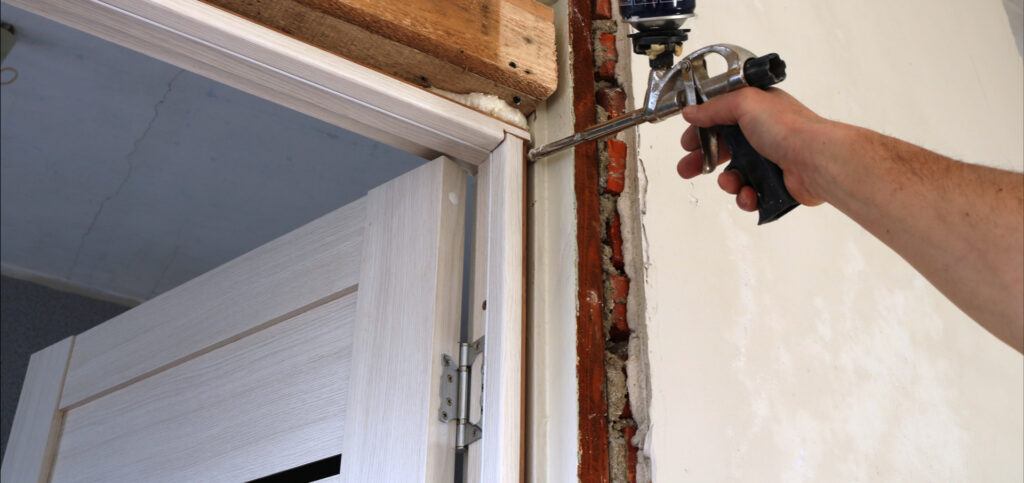
When reviewing door dimensions, it’s important to distinguish between the door unit size and the rough opening. The listed size of a door typically refers to the slab or pre-hung unit itself. The rough opening is the framed space inside the wall where that unit is installed.
Because installers need room to level, shim, and insulate the door frame, the rough opening is intentionally built larger than the door unit. For most hinged interior and exterior doors, builders add approximately two inches to the width and about 2-1/2 inches to the height of the door unit. For example:
| Door Unit Size | Approximate Rough Opening |
| 24″ × 80″ | 26″ × 82 1/2″ |
| 28″ × 80″ | 30″ × 82 1/2″ |
| 30″ × 80″ | 32″ × 82 1/2″ |
| 32″ × 80″ | 34″ × 82 1/2″ |
| 36″ × 80″ | 38″ × 82 1/2″ |
| 60″ × 80″ (double) | 62″ × 82 1/2″ |
| 72″ × 80″ (double) | 74″ × 82 1/2″ |
Sliding patio doors often follow a similar pattern, though exact requirements vary by manufacturer. Larger multi-panel systems, such as stacking glass walls, are typically engineered to project-specific dimensions and require manufacturer-provided specifications.
Because even small measurement errors can affect operation, sealing, and long-term performance, rough opening dimensions should always be verified against the exact door system being installed.
Choosing the Right Door Size for Your Home
Door size decisions are often influenced by both design goals and practical needs. The scale of a door can change how a home looks and feels, while also affecting how comfortably the space functions day to day.
- Natural light: Larger patio doors and taller entry doors increase glass area, which can brighten interior spaces and reduce reliance on artificial lighting.
- Indoor-outdoor connection: Wider sliding doors and stacking glass walls create a stronger visual and physical transition to patios, decks, and backyards.
- Architectural scale: Taller doors tend to look more proportionate in homes with higher ceilings, while wider entry doors can create a more balanced and substantial exterior appearance.
- Curb appeal: A larger front door can make an entry feel more prominent and welcoming, especially when paired with sidelights or transoms.
- Traffic flow and furniture movement: Wider openings make it easier to move between spaces and simplify bringing furniture or large items in and out of the home.
- Accessibility and long-term usability: Wider doors can provide more comfortable clearance and greater flexibility as household needs change over time.
Selecting the right size requires evaluating the existing structure, the design vision for the space, and how the door will be used daily.
The Importance of Professional Measurement and Installation
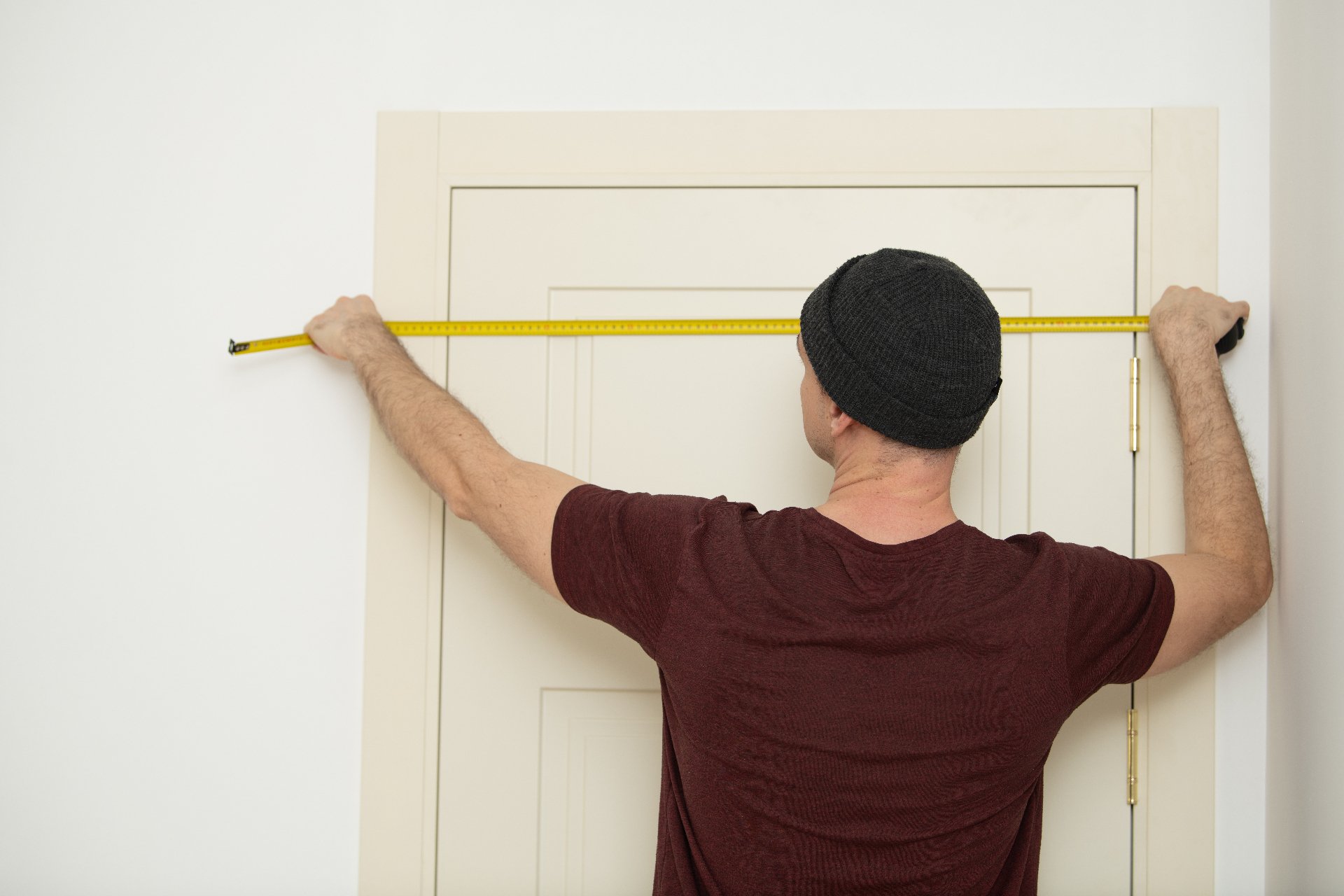
Choosing the right door size is only part of the equation. Accurate measurement and skilled installation ensure the door fits properly, performs efficiently, and maintains its structural integrity over time. Even small errors during measurement or installation can affect operation, comfort, and long-term durability. Professional measurement and installation help prevent:
- Ordering errors: Incorrect measurements can result in doors that do not fit the opening, leading to costly delays and replacement orders.
- Operational problems: If an existing door opening is not measured correctly or the replacement door is not installed level, plumb, and square, the door may stick, bind, or fail to latch properly.
- Air and water intrusion: Improper flashing, sealing, or insulation can allow drafts and moisture to enter, reducing energy efficiency and increasing the risk of damage.
- Structural issues: Modifying an opening without proper support can weaken the surrounding wall or header, especially with wider patio systems.
- Security vulnerabilities: Misaligned frames, improperly anchored hardware, or poorly installed strike plates can reduce resistance to forced entry.
- Warranty concerns: Many manufacturers require professional installation to maintain warranty coverage, and improper installation may void protections.
Because entry and patio doors are part of a home’s exterior envelope, precise measurement and proper installation play a critical role in performance, safety, and long-term reliability.
Get Expert Help Choosing the Right Door Size
Understanding standard door dimensions is the first step, but choosing the right size requires evaluating the existing opening, structural constraints, and your goals for the space. Whether you are replacing a front entry door, upgrading to sliding patio doors, installing French patio doors, or planning a stacking glass wall system, proper measurement ensures the new door fits correctly and performs as intended.
If you’re planning a door replacement project and want clarity on your options, contact Lake Washington Windows and Doors to schedule a complimentary in-home consultation. We’ll measure your opening, explain what sizes will work without structural modification, and help you select a door configuration that fits your home and delivers long-term performance.