This guide explains what window flashing is, why it matters, and how it fits into a proper window replacement process. It also outlines what separates basic installations from professional systems designed to manage moisture long term, so you can better understand how your home is protected during window replacement.
What Is Window Flashing?
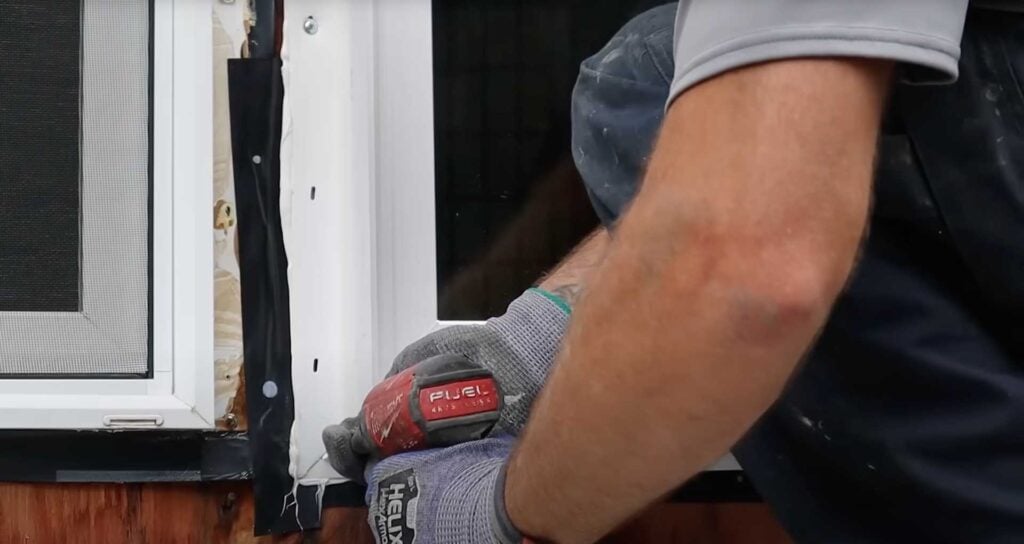
Window flashing is a protective material installed around a window opening to manage water. Its job is not to keep water from ever touching the window, but to control where that water goes so it does not enter the wall or interior of the home. Properly flashing a window ensures that any moisture reaching the opening is directed safely back outside rather than into the wall.
During window replacement, the flashing is installed behind and around the window frame, including the bottom edge, sides, and top of the opening. When rain reaches the window or siding, flashing helps guide that moisture downward and back outside. Instead of relying on caulk alone, flashing creates a physical pathway that directs water away from vulnerable areas of the home.
What Are the Different Parts of Window Flashing?
Window flashing includes several components that work together to protect the window opening and the surrounding building envelope. Each type serves a specific purpose, and when properly layered, they help manage water and protect the structure behind the window.
Flashing Tape or Membrane Flashing
Flashing tape or membrane flashing is a flexible, adhesive-backed material applied along the sides and top of the window opening. Along the vertical sides, it is often referred to as jamb flashing, where it helps seal the connection between the window frame and the wall and guide water downward away from the opening.
Sill Flashing or Sill Pans
Sill flashing is installed at the bottom of the window opening and plays one of the most critical roles in moisture management. It creates a drainage path that allows water to exit safely instead of collecting behind the window frame, helping protect the lower portion of the wall where leaks are most likely to occur.
Drip Cap or Head Flashing
A drip cap or head flashing is placed above the window to help deflect water away from the top of the opening. It reduces the amount of moisture that can run down behind siding and toward the window, working with the layers below it to keep water moving outward.
Metal Flashing
In some installations, rigid metal flashing is used in high-exposure areas to provide added durability and structure. Metal flashing is shaped to fit specific locations and works alongside flexible flashing materials rather than replacing them as part of a complete system.

Schedule a Free Consultation
Get a free home window inspection, talk with one of our design consultants to get product recommendations, and learn about special offers and financing.
Why Proper Window Flashing Is Worth the Investment
Proper window flashing may not be visible after installation, but it plays a critical role in protecting both the window and the home. While it represents a small part of the overall window replacement process, the long-term benefits of proper flashing far outweigh the initial investment.
- Prevents water damage: Proper flashing helps keep moisture out of the wall, reducing the risk of costly wood rot, mold, and structural damage that can be expensive to repair once discovered.
- Protects the window and surrounding structure: By managing how water moves around the opening, flashing helps preserve framing, insulation, and interior finishes over time.
- Supports long-term window performance: Well-installed flashing helps maintain consistent window performance by limiting moisture intrusion and reducing air leakage around the frame.
- Improves durability and lifespan: Replacement windows installed with proper flashing are less likely to develop leaks or installation-related failures, helping them last longer.
- Offers peace of mind: Knowing your windows are protected by a complete flashing system helps reduce the risk of hidden problems and unexpected repairs down the road.
The Importance of Professional Installation for Long-Term Moisture Protection
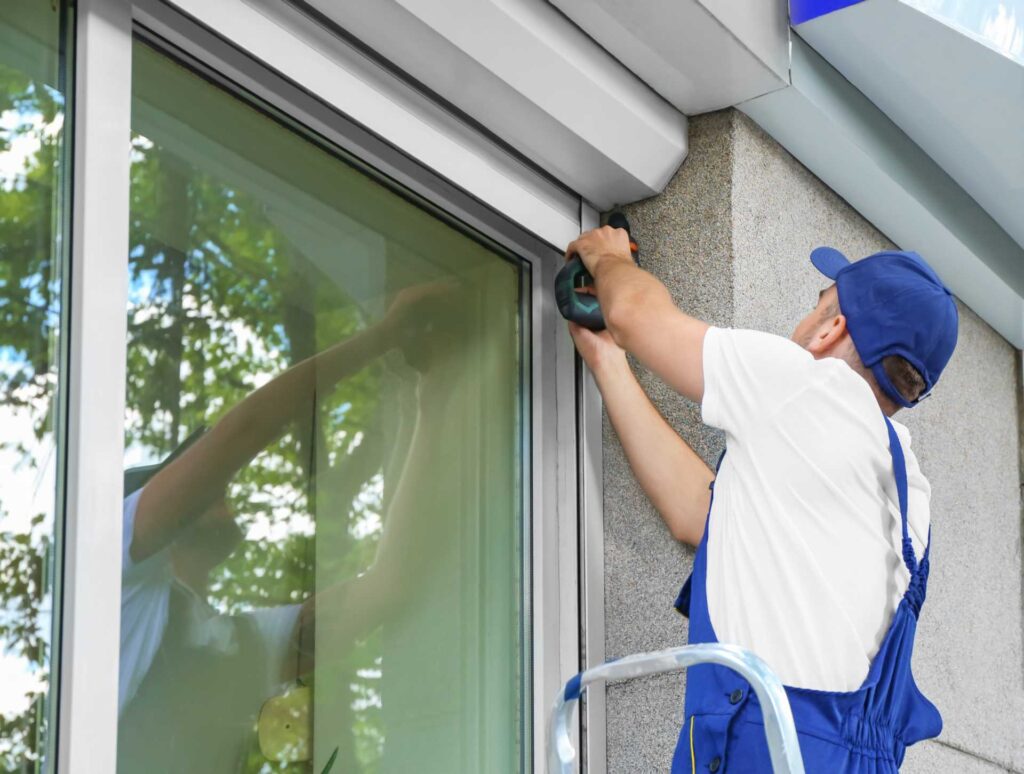
Proper window flashing depends as much on installation practices as it does on materials. A professional installation approach looks at the entire window opening as a system, planning how water will move before the window is ever set in place. This level of preparation helps reduce the risk of water infiltration, structural damage, and performance issues over time.
High-quality installations rely on layered moisture protection, including sill pans, flashing membranes, and supporting sealants. Each layer is applied in a specific sequence, so water is guided safely outward rather than trapped inside the wall. This type of redundancy is especially important in wet climates, where windows are routinely exposed to wind-driven rain.
At Lake Washington Windows and Doors, when we flash a window, we apply these best practices using our proprietary Leak Armor Installation method. Leak Armor applies multiple layers of flashing, pans, and sealants in a consistent, repeatable way to create a reliable moisture barrier. The focus is not on a single product, but on craftsmanship, consistency, and long-term protection that helps safeguard both the window and the home itself.
Best Practices Regarding Window Flashing for Homeowners
Window flashing plays a key role in protecting your home, whether you are planning a window replacement or maintaining existing windows. While most homeowners will not install flashing themselves, understanding best practices helps you make informed decisions, recognize quality work, and catch potential issues early.
- Consult a professional window installer when possible. Proper flashing requires planning, sequencing, and experience. A professional installer understands how to integrate flashing with the window, wall, and siding so water is managed correctly from the start.
- Confirm flashing is part of the installation, not an upgrade. Flashing should be included as a standard part of window replacement. Moisture protection should be planned before the window is set, not added afterward as an optional step.
- Ask how water is directed away from the window. Effective flashing focuses on drainage, not just sealing. Whether installed professionally or not, there should be a clear path for water to exit the window opening safely.
- Make sure bottom protection is included. The bottom of the window handles the most water. A sill flashing or a sill pan is essential for allowing moisture to drain outward instead of collecting behind the frame.
- Avoid relying on caulk alone. Sealants help support flashing, but they are not a substitute for it. Long-term protection depends on layered materials that work together, not surface sealing by itself.
- Inspect flashing and surrounding areas regularly. Seasonal checks can help catch issues early. Look for gaps, peeling sealant, staining, or moisture near windows and address problems before damage spreads.
- Watch for signs of water damage around windows. Peeling paint, soft drywall, mold, or persistent condensation can indicate flashing problems. Early attention can help prevent more costly repairs.
- Make sure flashing works with the rest of the exterior system. Flashing should be integrated with house wrap, siding, and drainage details so water is consistently directed away from the home.
Protect Your Home With Proper Window Installation
Window flashing plays a critical role in protecting your home, but it only works when it is properly installed and treated as part of a complete system. Quality materials, careful layering, and consistent installation practices all contribute to how well a window performs over time, especially in climates where moisture exposure is a constant concern.
Choosing a professional window installer helps ensure flashing is planned, applied, and integrated properly from the start. When moisture is managed intentionally, windows last longer, energy efficiency improves, and the risk of hidden damage is reduced. Proper installation protects more than the window itself – it helps protect the structure of your home.
If you’re a Seattle-area homeowner considering window replacement, the best next step is to work with a team that prioritizes long-term performance, not shortcuts. Schedule a complimentary in-home window consultation with Lake Washington Windows and Doors to have your home evaluated, discuss window options, and learn how professional installation helps protect your investment.