


The Seattle Buyer’s Guide to Vinyl vs. Fiberglass Windows
Comparing Popular Window Types in Seattle
When replacing your windows, the material you choose matters as much as the style. Two of the most popular options for Seattle-area homeowners are vinyl and fiberglass windows. Each offers unique benefits in terms of durability, energy efficiency, and long-term value. Whether you’re upgrading for comfort, aesthetics, or energy savings, this guide will help you compare vinyl vs. fiberglass windows to make the right choice for your home.
What Are the Differences Between Vinyl and Fiberglass as Materials?

Vinyl Windows
Vinyl windows are made from polyvinyl chloride (PVC), a rigid plastic commonly used in building materials. Window-grade vinyl is formulated with additives to improve weather resistance and color stability. The frames are typically hollow and may include internal air chambers to improve insulation. Most vinyl frames are built by welding the corners together, creating a strong, sealed unit. The color is infused throughout the material, which means it cannot be painted after production.

Fiberglass Windows
Fiberglass windows are made from pultruded fiberglass, a composite material created by pulling glass fiber strands through a resin. This produces a structurally reinforced frame that is highly dimensionally stable. Fiberglass window frames are often filled with insulation and can be finished with a factory-applied coating or painted after installation. Unlike vinyl, fiberglass frames are typically assembled using mechanical fasteners and adhesives rather than welding.
|
Category |
Vinyl Windows |
Fiberglass Windows |
|
Base Material |
Polyvinyl Chloride (PVC) |
Pultruded fiberglass (glass fibers + resin) |
|
Manufacturing Process |
Extruded into shape, corners heat-welded |
Fibers pulled through resin, frames cut and mechanically joined |
|
Frame Structure |
Hollow chambers for insulation and rigidity |
Solid or foam-filled core for added strength |
|
Corner Assembly |
Welded for airtight, sealed corners |
Mechanically fastened with adhesives or screws |
|
Surface Finish |
Color integrated into material (not paintable) |
Paintable surface, typically factory-coated |
|
Thermal Expansion Rate |
Higher than glass |
Similar to glass |
What Benefits Do Vinyl and Fiberglass Windows Provide?
Both fiberglass and vinyl windows offer long-term value, energy efficiency, and low maintenance, but each material has unique advantages. Here’s how they compare:
|
Fiberglass Windows |
Vinyl Windows |
|
Strength: The tensile strength of fiberglass is equivalent to aluminum’s, allowing for thinner and larger frame profiles without flex. |
Affordability: A high-quality vinyl window is a good option for homeowners who want great value for their windows. |
|
Energy Efficiency: Fiberglass windows offer the best thermal insulation and long-term energy performance. |
Low Maintenance: Vinyl windows require no painting and are easy to care for over time. |
|
Heat Resistance: Fiberglass is completely heat resistant, with minimal expansion and contraction during temperature changes. |
Energy Efficiency: Vinyl windows are highly energy efficient and help reduce heating and cooling costs. |
|
Seal Longevity: Minimal thermal movement reduces sealant stress between the window and home siding. |
No Painting Required: Vinyl frames come in factory-applied colors and don’t need repainting. |
|
Durability: Fiberglass windows are more durable, especially in wet climates like Seattle, and are less likely to warp over time. |
Lifetime Warranty: Many reputable manufacturers offer a lifetime warranty on vinyl windows and patio doors. |
|
Sustainability: Fiberglass windows are made of silica sand, the main component of glass. This means plenty of natural supply for producing these types of windows and less resource depletion. |
|
|
Warranty: The best fiberglass windows are backed by a full lifetime product warranty. |
What Limitations Do Vinyl and Fiberglass Have?
While vinyl and fiberglass windows offer strong performance and long-term value, each has trade-offs. Knowing these limitations can help you make a more informed decision based on your home’s needs, design preferences, and budget.
|
Vinyl Windows |
Fiberglass Windows |
|
Flexibility: Vinyl is inherently flexible and not as strong as fiberglass, aluminum, or wood windows. With large windows (over 50 sq. ft.), vinyl frames can flex more with wind pressure. |
Cost: Fiberglass windows cost more to produce, making them more expensive to purchase than their vinyl window counterpart. |
|
Color Limitations: Vinyl has limited color options, especially in dark shades. Darker colors tend to absorb more heat, which can cause vinyl windows to soften and warp. That’s why you are limited to the colors provided by the manufacturers. |
Curved Shapes: Many manufacturers have not developed a cost-effective way to build radius or curved windows, so they often substitute an aluminum-clad product with these radius shapes. |
|
Thermal Expansion: Vinyl expands and contracts with temperature change. This expansion and contraction can stress the sealants between your siding and vinyl windows, requiring you to check for cracked sealant every two years. |
Paint Fading: Fiberglass windows are painted, so they need repainting over time due to natural fading. |
|
Glass Seal Failure: This same expansion and contraction can stress the seals between the insulated glass units, which will cause those seals to fail, allowing moisture to get in between the glass (foggy glass). Luckily, most window manufacturers provide lifetime coverage on failed insulated units. |
How Do Vinyl and Fiberglass Features Compare?
Now that you understand how vinyl and fiberglass windows are constructed, it’s helpful to see how these materials compare across the most important performance categories. From durability and energy efficiency to installation and environmental impact, the table below highlights key differences to guide your decision.
| Category | Vinyl Windows | Fiberglass Windows |
| Durability & Lifespan | Lasts 20 to 30 years. Can become brittle, warp, or fade, especially in heat or direct sun. | Lasts 30 to 50+ years. Highly resistant to warping, cracking, and weathering. Maintains structural integrity long-term. |
| Energy Efficiency | Good insulation from multi-chambered frames paired with dual- or triple-pane glass and Low-E coatings to meet ENERGY STAR® standards. May lose efficiency over time due to higher thermal expansion and potential seal stress. | Excellent insulation. Foam-filled frames expand and contract at nearly the same rate as glass, preserving seal integrity and energy performance across various temperatures. |
| Maintenance | Virtually maintenance-free. Won’t rot or corrode. No painting required. Occasional cleaning with soap and water is enough. | Low maintenance with the added option to repaint. Resists moisture and UV damage. Holds up well over time with minimal upkeep. |
| Cost | Lower upfront cost. Cost-effective for large projects or whole-home replacement. | Higher initial investment, but offers better long-term value through durability and performance. |
| Aesthetics & Customization | Limited color options, especially in darker tones. Non-paintable. Thicker frames reduce visible glass. | Can be painted to match any color scheme or finish. Thin frames allow for more glass, natural light, and a modern look without compromising strength. |
| Environmental Impact | Petroleum-based. Higher emissions during manufacturing. Difficult to recycle. | Often made with recycled materials. Longer lifespan reduces waste. Lower production emissions. |
| Installation | Lightweight and easy to install. Ideal for fast retrofits and lower labor costs. | Heavier and more rigid. Requires professional installation. Better suited for precision applications or demanding conditions. |
| Dimensional Stability | Vinyl windows tend to expand and contract more with extreme temperatures. Stressing seals over time impacts long-term performance. | Very stable. Expands at the same rate as glass, reducing seal failure and the risk of air leaks, fogging, or frame distortion over time while maintaining consistent fit and insulation. |
How Do Our Vinyl and Fiberglass Products Compare?
At Lake Washington Windows and Doors, we offer carefully selected product lines that meet Pacific Northwest homeowners’ performance and design needs.

The Del Mar Premium Vinyl Windows
Our proprietary LW Premium Vinyl replacement window line is engineered for energy efficiency and weather resistance. These windows feature multi-chambered frames, a contemporary appearance, and a cost-effective solution for whole-home replacement projects. They’re a practical choice for homeowners looking for dependable performance and clean design.
Milgard C700 Series Fiberglass Windows
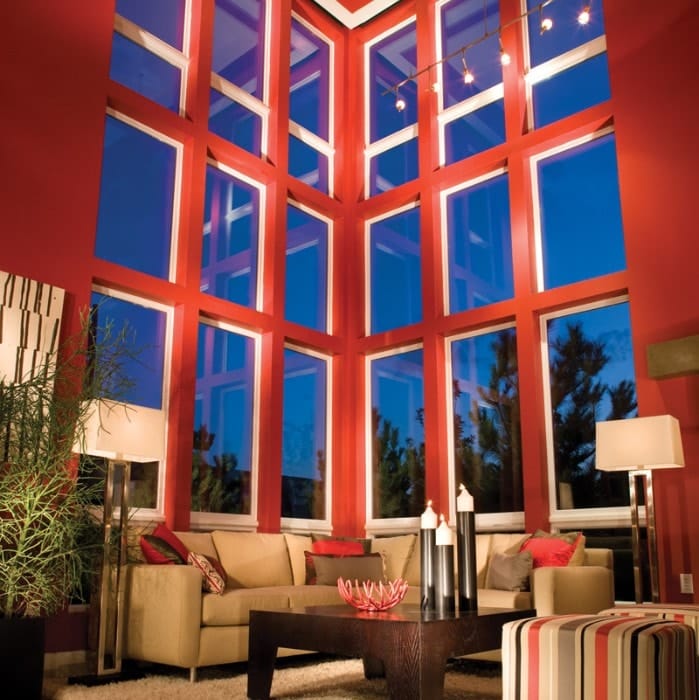
Built from durable fiberglass, the Milgard C700 Series delivers a slim, modern profile with the structural strength to support larger window openings. Available in six frame colors with coordinated hardware finishes, it fits a wide range of home styles and carries Milgard’s limited lifetime warranty. A step forward in energy performance and design, the C700 is built to handle Pacific Northwest conditions for decades to come.
Wondering how our fiberglass and vinyl product lines stack up? Here’s a side-by-side comparison of key features to help you decide which is the better fit for your home:
| Feature | Del Mar Premium Vinyl Windows | Milgard C700 Series Fiberglass Windows |
|---|---|---|
| Material | Rigid vinyl with a multi-chambered frame for strength and insulation | Pultruded fiberglass frame designed for long-term strength and dimensional stability |
| Energy Efficiency | Dual-pane glass with Low-E coating and argon gas; QuadraTherm upgrade available | Standard SunCoat® Low-E2 glass with argon gas; improved thermal performance over previous Milgard fiberglass lines |
| Noise Reduction | Built-in sound-suppressing frame and weatherstripping; optional Sound Package | Dense fiberglass frame with optional laminated glass to help reduce exterior noise |
| Color Options | White and tan interiors; 12 exterior color finishes available | Expanded color palette with multiple interior and exterior finish options, including darker modern tones |
| Paintable | No | Yes, fiberglass can be painted if desired |
| Security Features | Reinforced lock points, continuous interlocks, optional auto-lock | Strong fiberglass construction with modern locking hardware designed for security and durability |
| Styles & Operation | Available in sliders, casements, double-hung, awning, and more | Available in all major operating styles, including picture, single-hung, sliding, casement, awning, and specialty shapes |
| UV & Heat Protection | Blocks up to 99% of UV rays; optional tinted glass for solar control | SunCoat® Low-E2 glass helps reflect UV rays and manage solar heat gain |
| Maintenance | No painting needed; easy to clean | Low-maintenance fiberglass; resists rot, swelling, and warping over time |
| Warranty | Double Lifetime Warranty – covers glass breakage and is transferable | Limited Lifetime Warranty with optional upgrade to Full Lifetime Warranty at time of purchase |
| Best For | Budget-conscious homeowners looking for comfort, quiet, and efficiency | Homeowners seeking premium durability, energy performance, and a more modern fiberglass window |
How Do I Choose Which Material Is Best for My Project?
Every homeowner has different priorities when replacing their windows. Here’s a quick guide to help you decide which window material aligns best with your needs:
|
Homeowner Goal |
Better Option |
Why |
|
Lower upfront cost |
Vinyl |
More affordable material and easier installation |
|
Long-term durability |
Fiberglass |
Resistant to warping, cracking, and UV damage |
|
Maximum energy efficiency |
Fiberglass |
Stable frame structure maintains seal and insulation integrity |
|
Minimal maintenance |
Vinyl |
No painting or refinishing required |
|
Custom color matching or dark finishes |
Fiberglass |
Can be painted to match any style |
|
Thinner frames and more visible glass |
Fiberglass |
Stronger material allows for sleek profiles |
|
Fast and easy installation |
Vinyl |
Lightweight and adaptable to most window openings |
|
Eco-conscious choice |
Fiberglass |
Lower emissions and often includes recycled materials |
Ready to Choose the Right Windows for Your Home?
Whether you’re leaning toward the affordability of vinyl or the long-term strength of fiberglass, the best way to make a confident decision is to speak with a local expert who understands your home and your goals.
At Lake Washington Windows and Doors, we’ve helped thousands of Seattle-area homeowners find the perfect replacement windows — backed by trusted brands, expert installation, and industry-leading warranties. Schedule your free, no-pressure consultation today, and let us help you compare options, review product lines, and get a personalized quote tailored to your home and budget.

Schedule A Free Consultation