Single-pane windows were once standard in residential construction, but modern expectations for insulation and comfort have changed. Double-pane windows are now the baseline in most homes because their insulated design addresses many of the issues that single-pane glass cannot. Understanding the key differences between these two options helps homeowners make informed decisions about window replacement, operating costs, and what level of performance makes sense for their home.
In this guide, we’ll compare double- and single-pane windows by explaining how each is built, how they perform in key areas like energy efficiency, comfort, noise, and cost, and when each option makes sense for most homeowners.
How Single-Pane and Double-Pane Windows Are Built
The performance difference between single-pane and double-pane windows starts with how they are constructed. While both let in light and provide a view outside, the materials and layers used in each type determine how well the window glass resists heat loss, air movement, moisture, and sound.
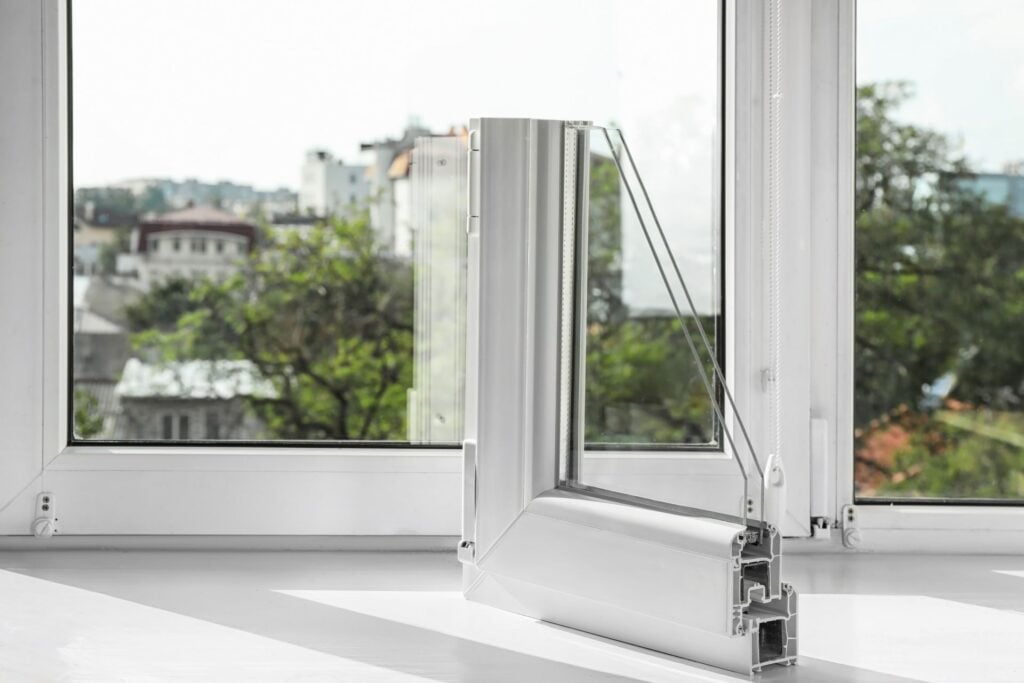
- Single-pane windows are made with one pane of glass set into a frame. There is no insulating layer, no sealed airspace, and very little resistance to heat or sound moving through the glass. In older windows, the glass is often held in place with glazing putty or simple stops, which can loosen over time and allow air leakage around the edges.
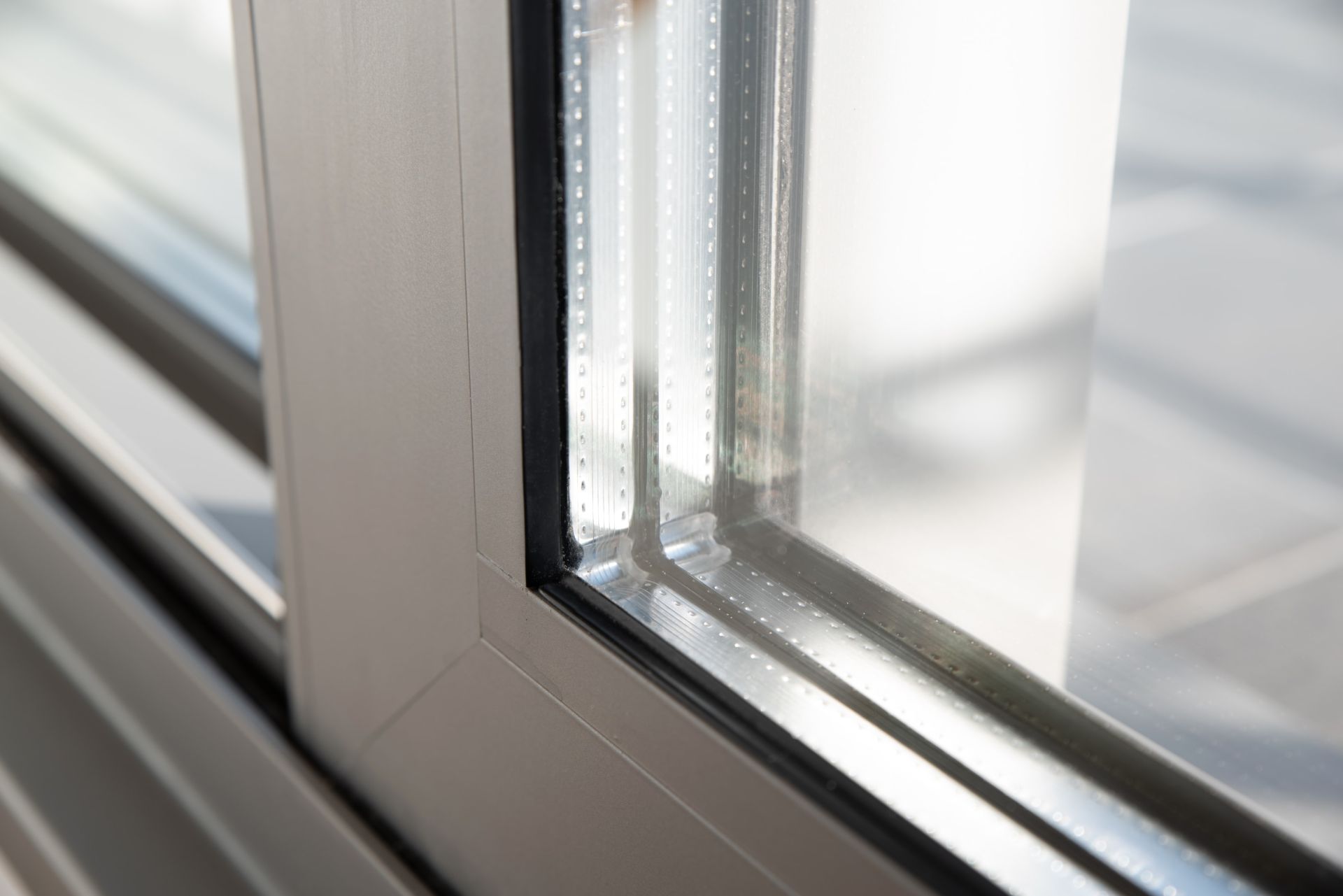
- Double-pane windows use two layers of glass separated by a sealed space. That space creates an insulating gap filled with gas and sealed with a spacer system around the perimeter. The result is energy-efficient windows designed to slow heat transfer and reduce outside noise. Modern double-pane windows also use Low-E coatings on the glass and improved frame materials, which further limit energy loss and condensation.
This difference in construction is what drives the performance gap between the two options. A single sheet of glass offers almost no barrier to temperature change, while a sealed, insulated unit creates multiple layers of resistance that improve comfort and efficiency throughout the home.
Comparing Double-Pane Windows and Single-Pane Windows
When comparing single-pane and double- or dual-pane windows, the differences become most clear when performance is evaluated across the areas that affect daily comfort, efficiency, and long-term value. The chart below provides a quick, at-a-glance comparison of how each window type performs, followed by deeper explanations for each category.
| Category | Single-Pane Windows | Double-Pane Windows |
| Affordability | ★★★★★ | ★★★★☆ |
| Energy efficiency | ★☆☆☆☆ | ★★★★★ |
| Noise reduction | ★☆☆☆☆ | ★★★★☆ |
| Condensation resistance | ★★☆☆☆ | ★★★★☆ |
| Natural light | ★★★★★ | ★★★★☆ |
| Security strength | ★★☆☆☆ | ★★★★☆ |
| Durability | ★★☆☆☆ | ★★★★☆ |
| Long-term value | ★★☆☆☆ | ★★★★★ |
Affordability
Single-pane windows earn the highest score for affordability because they use one sheet of glass and minimal materials, which makes them inexpensive to manufacture and install. They were the standard in residential construction for many years. As insulated glass technology improved, became more accessible, and performance standards increased, double-pane windows replaced single-pane designs as the default option. While double-pane windows cost more upfront, that added cost reflects improved comfort and energy performance that is worth the investment for the majority of homeowners today.
Energy Efficiency
Single-pane windows offer almost no insulation. Heat moves through the glass easily, which contributes to drafts, cold indoor surfaces, and higher heating and cooling demands. Double-pane windows provide increased energy efficiency by slowing heat transfer via the sealed insulating chamber between glass panes. Because this insulated design addresses heat loss at the glass itself, it improves a home’s energy efficiency by helping indoor temperatures stay more consistent and reducing how often HVAC systems need to run, rather than relying on separate solutions to manage comfort issues.
Noise Reduction
Noise pollution passes through single-pane glass with very little resistance. Traffic noise, neighborhood activity, and other outside sounds are more noticeable because there is no buffer to disrupt sound waves. Double-pane windows reduce noise by adding mass and an air or gas-filled space that absorbs sound transmission. The improvement is especially noticeable in homes near busy streets, schools, or urban areas.
Condensation Resistance
Condensation forms when warm indoor air meets cold glass from low outdoor temperatures. Single-pane windows cool quickly, which often leads to visible moisture buildup on the interior surface. Over time, this moisture can damage window frames and surrounding finishes. Double-pane windows resist condensation more effectively because the inner pane stays warmer. Modern coatings and insulated glass construction help limit moisture buildup during colder weather.
Natural Light
Single-pane windows allow the most natural light into a space because there is only one layer of glass. Double-pane windows still provide excellent clarity and brightness, but the additional pane and coatings reduce visible light slightly. In most homes, the difference is subtle and rarely noticeable during everyday use, though single-pane glass features a small technical advantage in light transmission.
Security Strength
Single-pane windows are easier to break and offer limited resistance to impact. Double-pane windows are stronger because the insulated glass unit adds thickness and structural resistance, making the glass harder to penetrate. In addition, many double-pane windows can be purchased with security packages featuring laminated glass that further increase impact resistance and reduce the risk of shattering.
Durability
Single-pane windows often rely on older glazing methods that can degrade over time, especially with exposure to moisture, cold air, and temperature changes. Double-pane windows use engineered sealed units, modern spacers, and improved frame materials that hold up better under thermal stress and extreme weather. As a result, double-pane windows tend to maintain performance and structural integrity longer.

Schedule a Free Consultation
Get a free home window inspection, talk with one of our design consultants to get product recommendations, and learn about special offers and financing.
Upfront Cost vs. Long-Term Cost of Double-Pane Windows

When you compare single-pane and double-pane windows, the most meaningful cost difference is the annual savings you receive year after year. Single-pane windows have the lowest upfront cost but typically result in higher energy consumption, comfort issues, and limited buyer appeal. While double-pane windows have a higher initial cost, they deliver stronger long-term value with improved energy performance and lower energy bills over the window’s lifespan.
National energy data suggest that replacing single-pane windows with insulated alternatives like double-pane windows can lower energy bills by roughly 25% to 30% per year in typical homes, depending on climate, utility pricing, and home size.
Installing new double-pane windows typically costs between $550 and $1,100 per window, as of [date], depending on the size, type of frame material, and labor. While that represents a larger upfront investment than simply leaving existing single-pane windows in place, the annual reduction in energy costs that double-pane windows offer adds up over time.
If you think in terms of a 10- or 20-year horizon, those yearly energy savings accumulate into a substantial reduction in total operating costs. Rather than continually paying more for heating and cooling with single-pane glass, double-pane windows convert that recurring expense into a fixed investment that improves comfort and lowers your annual cost of living.
When Single-Pane Windows Still Make Sense
Although double-pane windows are the modern standard, there are limited situations where single-pane windows may still be appropriate. These cases are typically driven by external constraints rather than performance goals, and they usually involve tradeoffs in comfort and efficiency.
Single-pane windows are sometimes used in historically designated homes where maintaining original materials and appearance is required. In these situations, replacement options may be restricted, and homeowners may choose to preserve single-pane glass to meet architectural guidelines.
They can also make sense in low-use or non-conditioned spaces such as sheds, workshops, or seasonal outbuildings where heating, cooling, and sound control are not priorities. In these environments, the performance advantages of double-pane windows may not justify the added cost.
In homes where a full window replacement is not currently feasible, single-pane windows may remain in place temporarily, often paired with storm windows for superior insulation and reduced drafts. While this approach can provide modest gains, it does not deliver the same level of comfort or efficiency as a modern insulated window system.
Where Triple-Pane Windows Fit Into the Comparison
Compared to double-pane windows, triple-pane glass offers considerably higher insulation and sound control. Their three layers of glass and two insulating chambers further reduce heat transfer and improve interior surface temperatures, which can be beneficial in colder climates, homes with ongoing comfort issues, or properties exposed to consistent outside noise.
The tradeoff is cost and complexity. Triple-pane windows are heavier and more expensive, and in many cases, they are not necessary to achieve strong performance. While modern double-pane windows provide excellent energy efficiency, condensation resistance, and comfort, triple-pane windows are for homeowners seeking maximum thermal performance or enhanced sound reduction beyond what standard double-pane windows provide.
Get the Most From Your Window Upgrade
The performance of any window depends as much on installation quality as it does on the window itself. Even well-built double-pane windows can fall short if they are not installed correctly. Gaps in sealing, poor insulation around the frame, or improper flashing can allow air and moisture to bypass the insulated glass unit, reducing comfort, efficiency, and long-term reliability.
Professional installation focuses on preparing the opening, managing air and water intrusion, insulating around the frame, and setting the window square and level so it operates as designed. These details help ensure double-pane windows deliver their full benefits, including stable indoor temperatures, reduced condensation, and consistent performance over time.
For Seattle-area homeowners, a professional consultation can clarify how much of an improvement an upgrade would provide in real-world conditions. Lake Washington Windows and Doors offers complimentary in-home window consultations, allowing homeowners to review existing windows, discuss comfort or energy concerns, and understand how proper installation and modern double-pane windows can improve overall performance.