Dormer windows are a practical way to brighten upper floors, open up tight spaces, add headroom, and bring more character to a home’s architectural style. Projecting vertically from a sloped roof, dormer windows create headroom, improve ventilation, and make attics, lofts, and second-story rooms feel more livable. Their shape and placement also influence the overall look of the exterior, giving the roofline more depth and visual interest.
In this guide, you’ll learn what dormer windows are, the most common dormer types, design ideas to inspire your project, and the key tips and considerations to keep in mind when planning an update.
What Are Dormers?
Dormers are small roofed structures that project outward from a sloped roof to create vertical wall space where the ceiling would otherwise be too low. By interrupting the roof line, a dormer adds light, ventilation, and usable headroom to upper floors, making attics, lofts, and bonus rooms feel more comfortable and functional. Dormers also add architectural character and aesthetic appeal to the exterior, giving the home more depth and visual interest.
Because a dormer creates its own upright wall, it can hold many of the same window types used elsewhere in the home. Casement, double-hung, picture, bay, and specialty-shaped windows can all be installed depending on the dormer’s size, the home’s architectural style, and the level of natural light or airflow the interior room needs.
Popular Types of Dormer Windows
Dormer windows come in several different styles, shapes, and configurations, each adding its own structural benefits and visual style to a home. While all dormers serve the same basic purpose, their rooflines, proportions, and placement can create very different looks. Understanding the most common dormer types can help you choose a design that fits your home’s architecture and supports the amount of interior space or exterior detail you want to achieve.
Gable Dormer

A gable dormer is one of the most recognizable and traditional dormer styles, featuring a small peaked roof with two sloping sides that meet in the center. This triangular shape adds strong architectural definition and works well on homes with pitched roofs, including Colonial, Cape Cod, Craftsman, and Tudor designs. Gable dormers bring in ample natural light and create a clear vertical wall inside the room, which helps increase headroom and improve overall comfort. They are a versatile, timeless option that complements both traditional and modern homes.
Shed Dormer

A shed dormer has a single, gently sloping roof that extends outward from the main roofline. This style creates more vertical wall height than most other dormers, making it especially useful for attic conversions and upper-level rooms that need extra headroom. Shed dormer windows work well on a wide range of architectural styles, from Craftsman and contemporary homes to traditional farmhouses. Their broad face allows for larger windows or multiple window units, which helps brighten interior spaces and gives the exterior a clean, streamlined look.
Hip Dormer
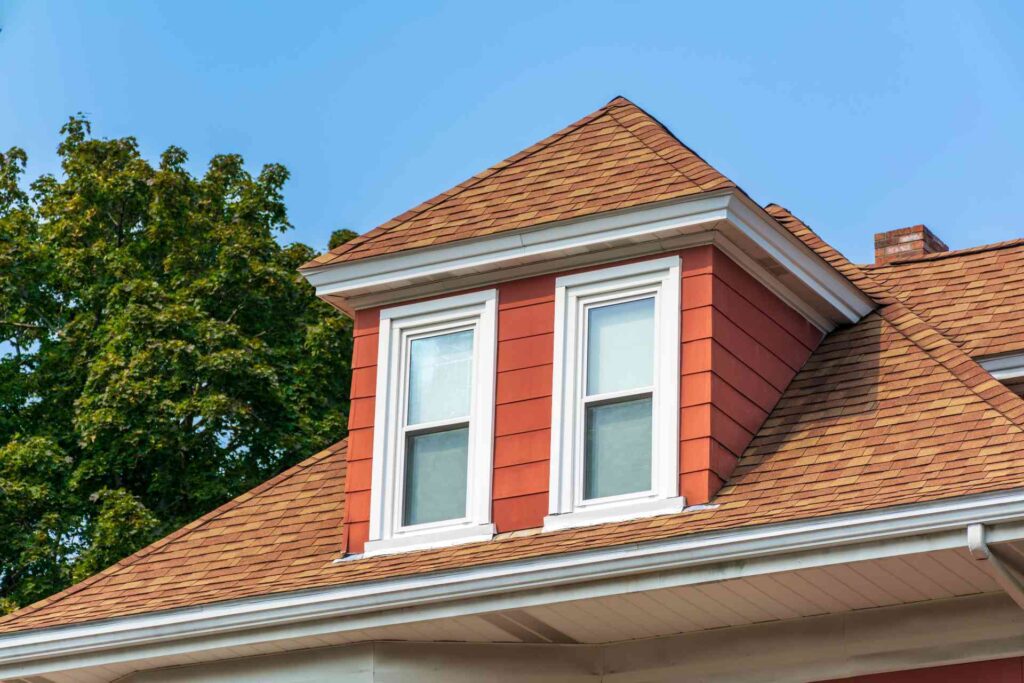
A hip dormer features a roof with three sloping sides that angle away from the center point, creating a compact, pyramid-like shape. This design blends smoothly into the main roof and offers a more subtle look than the pronounced peak of a gable dormer. Hip dormers are common on Prairie, Craftsman, French, and British architecture, where softer roof transitions are part of the home’s style. While they provide slightly less vertical wall height inside, they still add valuable natural light, usable space, and elegant style. Plus, their multi-sloped design offers strong wind resistance in regions with harsher weather.
Eyebrow Dormer

An eyebrow dormer has a smooth, curved roofline that rises gently from the main roof and dips back down without any sharp angles. Instead of a defined peak, it forms a soft arch, creating the look of an “eyelid” over the window. This style adds character and craftsmanship to a home and is often found in cottage, Shingle-style, and certain custom-designed homes where organic shapes are part of the architecture. Eyebrow dormer windows provide modest natural light and visual charm, making them a popular choice when the goal is to enhance curb appeal without altering the roofline too dramatically.
Wall Dormer
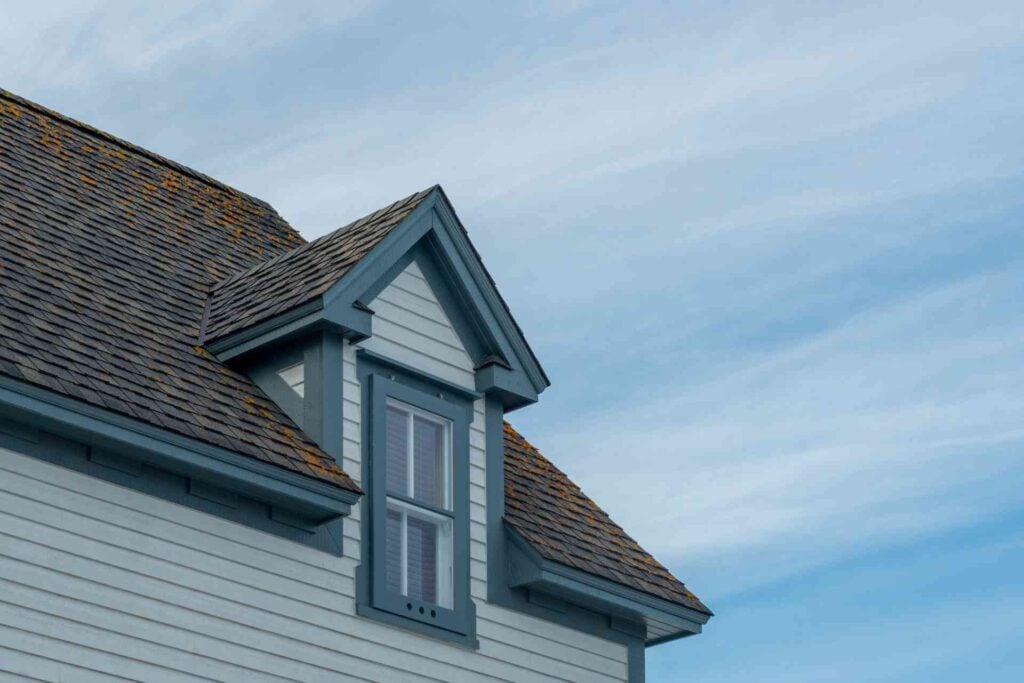
A wall dormer extends from the vertical wall of the home rather than emerging fully from the roof slope. The dormer face aligns with the exterior wall below it, while the roof projects outward to create additional space and light. This design increases usable space and can add square footage to the upper level because it continues the main wall upward, making the room feel larger and more open. Wall dormers work well on homes with steep roof pitches, and they complement styles such as Colonial, Victorian, and certain modern designs that benefit from a stronger vertical presence.
Roof Dormer
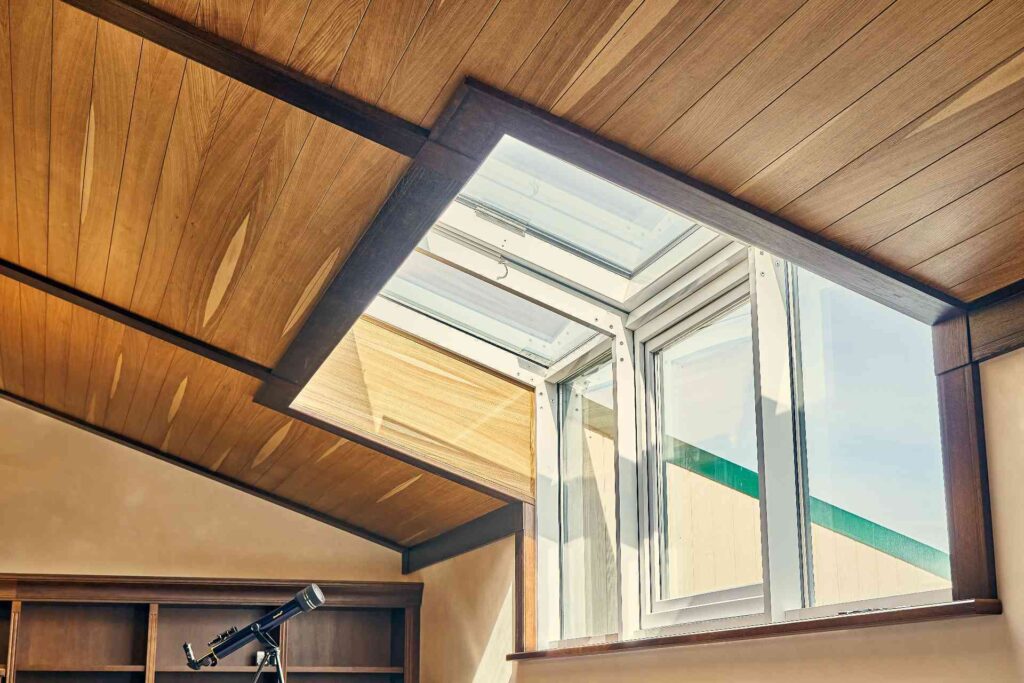
A roof dormer is designed to sit fully above the main roof plane, projecting outward to create a vertical window where the ceiling height would otherwise be limited. Unlike wall dormers, which continue the home’s exterior wall upward, roof dormers are built entirely within the roof structure itself. This makes them a flexible option for brightening attics, lofts, and upper-level rooms without altering the home’s existing walls. Roof dormers can take on different shapes depending on the look you want. Their main purpose is to improve light, ventilation, and headroom while adding a defined architectural feature to the roofline.

Schedule a Free Consultation
Get a free home window inspection, talk with one of our design consultants to get product recommendations, and learn about special offers and financing.
Dormer Window Style Ideas
The window style you choose for a dormer plays a major role in how the space looks and feels. Different window types can change how much light reaches the room, how easily fresh air moves through the space, and how the dormer appears from the outside. Whether you want a classic look, a modern update, or a layout that feels more aesthetically pleasing, the right window style can help your upper-level rooms feel brighter, more comfortable, and more visually appealing.
Casement Dormer Windows

Casement windows are a popular choice for dormers because they open outward on a side hinge, allowing fresh air to flow in even when the opening is narrow. Their simple, streamlined design works well in both traditional and modern dormers, and they’re easy to operate in tight spaces where reaching a lock or sash can be difficult. Casement windows also offer clear, unobstructed glass, which helps brighten upper-level rooms and makes small dormers feel more open.
Single-Hung and Double-Hung Dormer Windows

Single-hung and double-hung windows are among the most traditional options for simple dormers, offering a classic look that fits well with Colonial, Cape Cod, and Craftsman Bungalow styles. Their vertical operation makes them easy to use in rooms where furniture or built-ins sit beneath the window, and double-hung versions allow airflow from both the top and bottom sash. These styles are especially useful in narrow dormers or any small structure where space is limited, and they can help add light while maintaining a balanced, traditional appearance.
Picture Dormer Windows
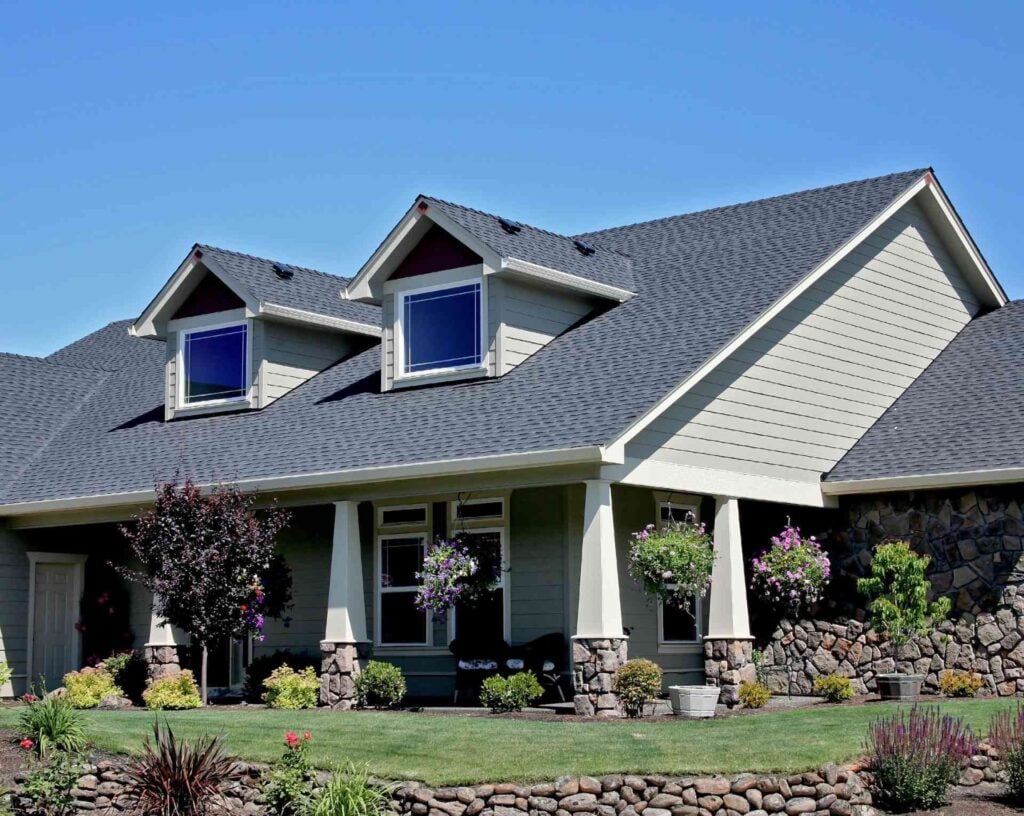
Picture windows are fixed windows that do not open, making them an excellent choice for dormers where maximizing natural light is the priority. Their large, unobstructed glass areas brighten upper-level rooms and provide clear views in one direction, helping small or angled spaces feel more open. Picture windows work especially well in wider shed or wall dormers, and they can be paired with operable styles such as awning or casement windows when ventilation is also important.
Bay Dormer Windows
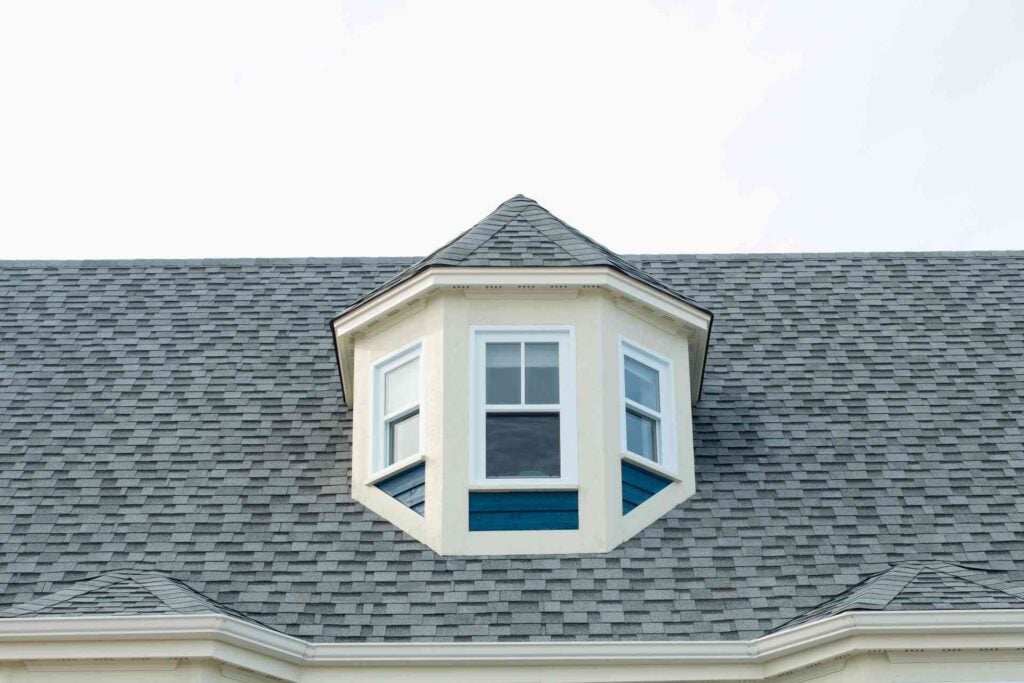
Bay windows add extra depth and character to a dormer by creating a small projection that extends slightly beyond the interior wall, providing a panoramic view. This added dimension makes upper-level rooms feel more open and can create more space for a small seat, shelf, or decorative feature. Bay windows work best in larger wall or gable dormers that have enough structural support to handle the added weight and shape. From the exterior, they add a distinctive architectural detail that enhances curb appeal, home value, and gives the dormer a more prominent look.
Specialty Dormer Windows

Specialty-shaped windows offer a way to give a dormer a bold architectural look. Options such as arched, round, triangular, and other custom shapes can highlight the roofline and create a unique focal point on the exterior. These windows are often used in accent dormers or homes with more expressive designs, adding charm without needing a large amount of space. Inside, specialty shapes bring in natural light while helping the room feel more distinctive and visually interesting.
Larger Dormer Window Configurations
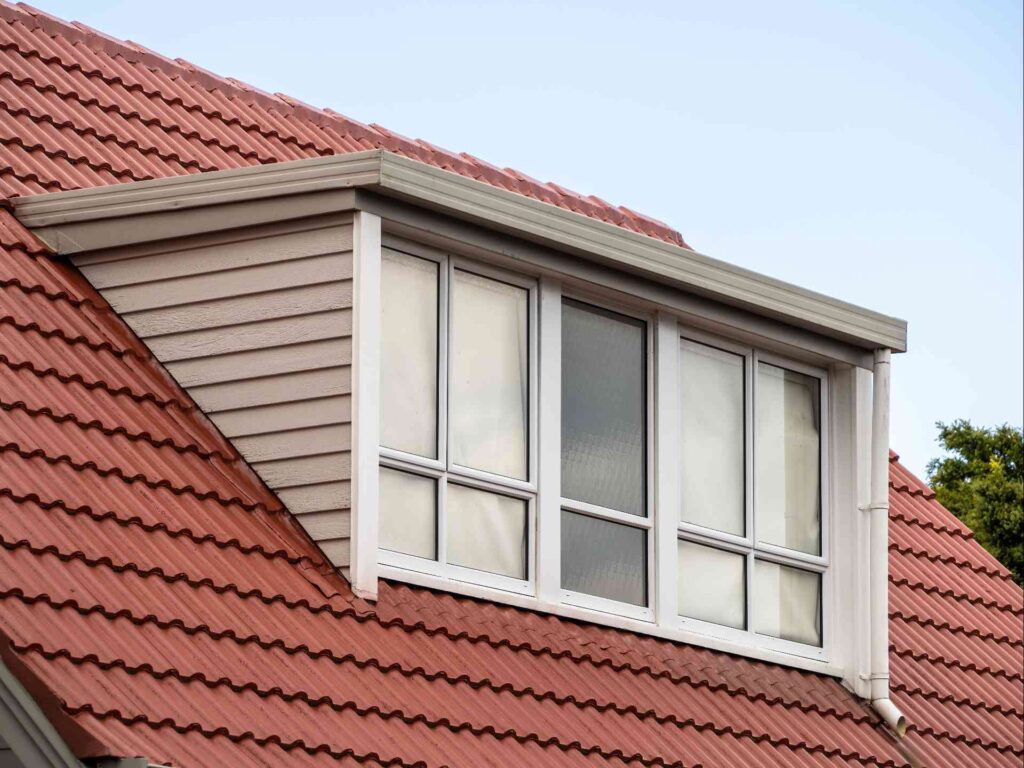
Larger window configurations are a simple way to brighten upper-level rooms and make dormers feel more open. Wider or taller glass areas pull in more daylight, which can help lofts, bonus rooms, and attic conversions feel less confined. This approach works especially well in shed, wall, and roof dormers that have the width to support a bigger opening. When paired with the right window style, larger configurations can transform a small space into a more inviting, comfortable part of the home.
Multiple Dormer Window Layouts

Using two or more dormers along the same roofline can spread natural light more evenly across upper-level rooms, especially in long or narrow spaces. Many homes combine two gable dormers or mix different styles to match the interior layout and create a more unified look from the outside. This approach is common in attic conversions and expanded second floors where a single dormer may not provide enough coverage. Multiple dormers also add visual rhythm to the exterior, creating a balanced look that strengthens a home’s curb appeal. Whether placed symmetrically or spaced to match the interior layout, this design can make the top floor feel brighter and more functional.
Tips and Considerations for Updating Dormer Windows
Updating a dormer window involves more than choosing the right style. Light, ventilation, roof structure, comfort, and long-term performance all play a role in how well the dormer works for your home. It also helps to understand local building codes and how dormer installation costs may change depending on the design you choose. These key points can help you plan a design that looks good, functions well, and holds up over time.
- Think about how much natural light you want. Larger windows or multiple dormers brighten upper floors and make smaller rooms feel more open.
- Choose a window style that suits the space. Casement and awning windows work well in tight or hard-to-reach areas and can be used in inset dormers or other compact designs.
- Plan for good ventilation. If airflow is important, use operable window styles or pair fixed windows with casement or awning units.
- Consider how you’ll use the room. If furniture or a window seat will sit under the window, pick styles that don’t need extra clearance to open.
- Match the dormer’s size to the room below it. Oversized dormers can overwhelm a small space, while small dormers or a recessed dormer may not add enough light or headroom.
- Check the roof pitch and structure. Steeper roofs limit window height, and steeply pitched roofs may require adjustments to framing. Shallower slopes can support wider configurations.
- Address moisture and weather exposure. Dormers get more direct rain and wind, so proper flashing and high-quality installation are essential for any typical dormer design.
- Improve insulation and energy efficiency. Upper floors heat up and cool down quickly, making insulated frames and efficient glass especially important.
- Plan for installation access. Dormers often require ladder or roof access, which can affect installation time and overall cost.
- Choose durable window materials. Vinyl and fiberglass frames perform well in elevated, weather-exposed installations and reduce long-term maintenance needs.
Explore Your Options for Dormer Window Replacement
Replacing a dormer window can improve comfort, energy efficiency, and curb appeal, especially in older homes where upper floors tend to feel dark or drafty. Lake Washington Windows and Doors offers high-performance vinyl and fiberglass options that hold up well in exposed locations and provide the long-term weather protection dormers need. Our installation process is designed to prevent leaks, protect the surrounding roof structure, and ensure the new window fits securely within the dormer framing. If you are planning an update or want expert guidance on window styles that fit your home, schedule a complimentary in-home window consultation to get started.