Cold weather places constant demands on an exterior door. Beyond appearance, a door helps control heat loss, block drafts, and maintain a consistent indoor temperature during long stretches of low temperatures. When a door is not designed for these conditions, homeowners often notice cold air leakage, higher heating costs, and discomfort near entryways, especially during periods of extreme weather.
The best exterior doors for cold weather reduce heat transfer, limit air infiltration, and remain stable as temperatures fluctuate. Material choice, insulation quality, and door construction all play a role in how well energy-efficient exterior doors perform through winter conditions. In many cases, moisture exposure, wind pressure, and repeated temperature swings have as much impact on performance as the cold.
This guide explains what makes an exterior door perform well in cold weather and compares the most common door materials based on insulation, durability, and long-term performance. It also covers how door construction, energy ratings, and installation affect real-world comfort. By understanding these factors, homeowners can choose an exterior door that supports their home’s energy efficiency while providing lasting protection and dependable comfort during cold weather.
What Makes an Exterior Door Perform Well in Cold Weather

An exterior door plays a direct role in how well a home holds heat during cold weather. Doors that perform well slow heat transfer, limit air infiltration, and remain stable as temperatures change. Materials such as Insulated cores help keep warm air inside the home, while tight seals around the frame prevent cold air from entering, as even small gaps can allow noticeable drafts and create cold spots that make interior spaces near the door feel uncomfortable.
Material stability is another key performance factor. Cold temperatures and repeated temperature swings can cause some door materials to expand or contract, which may affect how well the door seals over time. Doors that maintain their shape help keep weatherstripping compressed and reduce energy loss caused by air leaks. This is especially important during windy conditions, when pressure differences can force cold air through poorly sealed openings.
Weatherstripping and thresholds also have a major impact on cold-weather performance. High-quality weatherstripping around the perimeter of the door and a properly fitted threshold help block drafts at common leak points. Together, these components determine whether a door feels solid and comfortable or cold and drafty during winter.
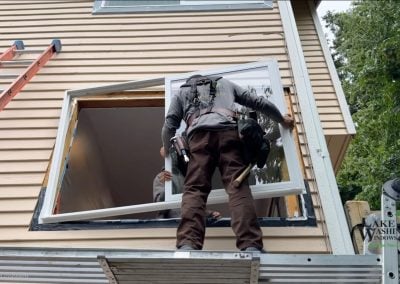
Finally, installation quality ties all of these elements together. Even a well-insulated door can lose heat if it is not properly sealed to the surrounding wall. Correct alignment, sealing, and flashing help ensure the door performs as intended once exposed to cold weather.
Best Exterior Door Materials for Cold Weather
Not all exterior door materials perform the same in cold weather. Different materials offer varying strengths when it comes to insulation, durability, and long-term comfort. In colder climates, the best-performing doors are those that limit heat transfer, resist moisture, and remain stable as temperatures fluctuate in response to the local climate.
Fiberglass Doors
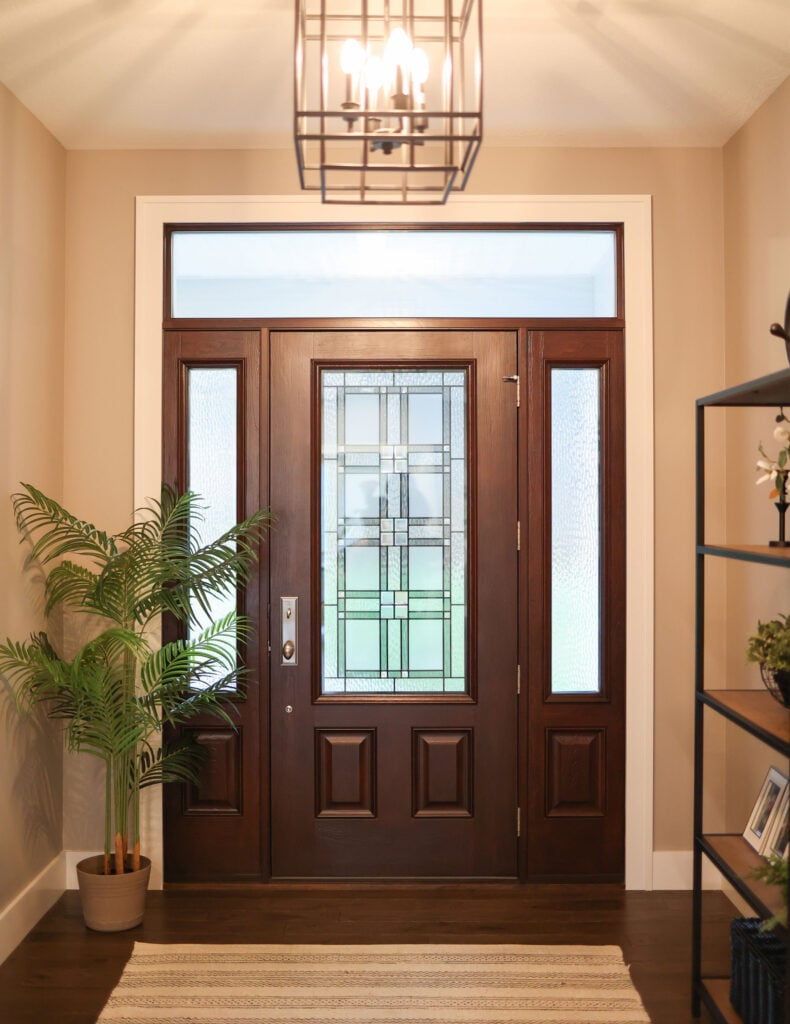
Fiberglass doors are widely considered one of the best options for cold weather because they perform consistently well across both front entry doors and patio doors. Whether used at a main entry point or as a large exterior opening, fiberglass doors are designed to provide strong insulation, resist moisture, and maintain tight seals through changing temperatures, which makes them a common choice for insulated exterior doors.
- Insulated cores help reduce heat transfer through the door, which limits heat loss and improves comfort near exterior entryways and patio openings. Many fiberglass doors use a polyurethane foam core, which supports better insulation by filling the door slab evenly and reducing air movement within the panel.
- Tight-fitting door panels and quality weatherstripping work together to reduce drafts and minimize air leakage around the perimeter of the door, which is especially important for larger patio door systems.
- Dimensional stability allows fiberglass doors to maintain their shape as temperatures fluctuate, helping weatherstripping and seals remain effective over time.
- Resistance to warping, cracking, and rot helps preserve insulation performance and appearance, particularly in environments where moisture is present.
- Long-term durability supports consistent cold-weather performance while requiring less ongoing maintenance than many other door materials, making fiberglass a practical choice for both entry doors and patio doors.
Wood Doors

Wood exterior doors have long been valued for their natural appearance and traditional character. Wood offers inherent insulating properties and can perform well in cold weather when properly built, finished, and maintained. For homeowners prioritizing architectural authenticity or historical accuracy, a real wood door may still be the preferred choice.
- Natural insulating properties help slow heat transfer, allowing wood doors to contribute to indoor comfort during colder months when they are well sealed and properly constructed.
- Aesthetic appeal remains one of wood’s strongest advantages, particularly for traditional, historic, or custom homes where material authenticity matters.
- Sensitivity to moisture and temperature changes is an important consideration in cold climates, as wood can expand, contract, or warp over time, which may affect sealing and insulation performance.
- Ongoing maintenance requirements are typically higher for wood doors, as they require regular sealing or refinishing to protect against moisture damage and preserve their appearance.
Alternative durable materials, such as wood-look fiberglass, often provide a similar visual appearance while offering greater dimensional stability, improved moisture resistance, and more consistent cold-weather performance, making them a practical choice for many homeowners who want the look of wood without the added upkeep.
Steel Doors
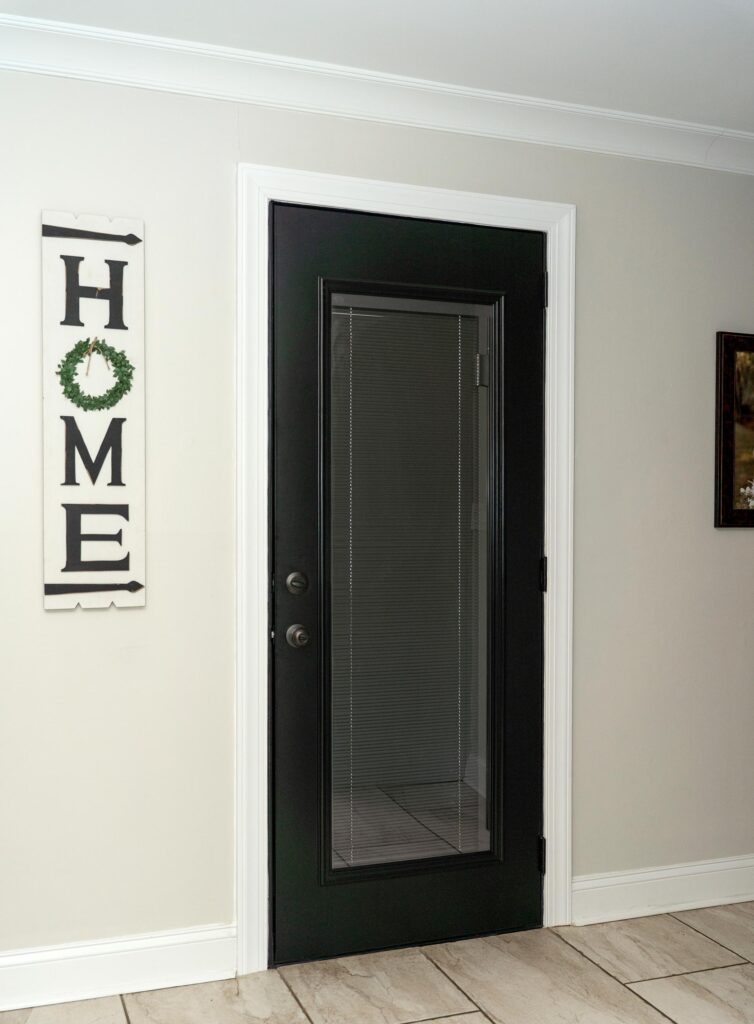
Steel exterior doors can perform well in cold weather when they are properly constructed and well insulated, making them a practical option for cold climates where stability and sealing matter. In many cases, steel doors are used at main entry points because their rigidity helps maintain a tight seal through winter conditions, with added security serving as a secondary benefit rather than the primary reason for selection.
- Insulated steel construction helps limit heat transfer through the door, supporting indoor comfort during winter when paired with quality weatherstripping and proper sealing.
- Exceptional strength and rigidity make steel doors a strong option for homeowners who want added protection at main entry points or locations exposed to high winds, where a solid, reinforced door can help maintain stability.
- Consistent panel stability allows steel doors to maintain their shape through temperature changes, helping seals remain effective and reducing the risk of drafts over time.
- Protective exterior finishes are designed to guard against corrosion and surface wear, helping steel doors maintain their appearance and performance in cold climates where moisture may be present.
- Performance depends heavily on construction quality, which means well-insulated steel doors that are installed correctly with proper sealing can deliver reliable cold-weather comfort, while lower-quality options may fall short.
Vinyl Patio Doors
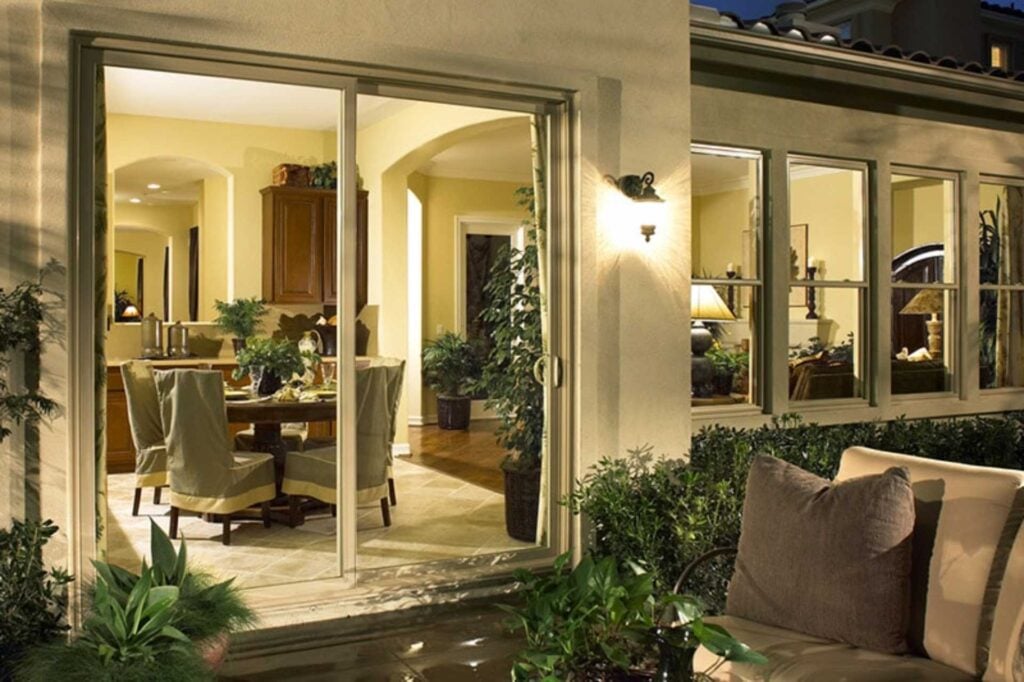
Vinyl patio doors are commonly used in cold climates due to their affordability, insulation performance, and moisture resistance. While vinyl is not typically used for front entry doors, it can be an effective material for sliding glass doors when designed with insulated frames and multi-pane glass.
- Insulated vinyl frames help reduce heat transfer around the door opening, supporting more consistent indoor temperatures during winter.
- Natural resistance to moisture makes vinyl well-suited for environments where condensation and exposure to the elements are common.
- Low maintenance requirements allow vinyl patio doors to maintain performance with minimal maintenance, without the need for painting, sealing, or refinishing.
- Multi-pane insulated glass plays a critical role in cold-weather performance, and options that include low-E glass help reduce heat loss while improving overall energy efficiency in patio door systems.
- Performance varies by construction quality, meaning well-built vinyl patio doors with proper sealing can perform reliably in cold weather, while lower-quality options may allow drafts or heat loss.

Schedule a Free Consultation
Get a free home window inspection, talk with one of our design consultants to get product recommendations, and learn about special offers and financing.
How Door Construction Affects Cold-Weather Performance
Beyond material choice, an exterior door’s construction plays a major role in how well it performs in cold weather. It affects insulation levels, air tightness, and how consistently the door maintains its seal as temperatures fluctuate throughout winter. Even high-quality materials can fall short if construction details are overlooked, allowing unnecessary heat transmission through the door system.
- Insulated cores help slow heat transfer through the door slab, improving thermal resistance and reducing heat loss near exterior entry points.
- Glass inserts and glazing design influence how much heat is retained, with insulated, multi-pane glass performing better in cold conditions than single-pane or poorly sealed inserts.
- Prehung door systems often provide tighter seals because the door, frame, and weatherstripping are designed to work together as a complete unit.
- Slab replacements rely heavily on the condition and accuracy of the existing frame, which can affect air sealing and overall performance if tolerances are not precise.
- Tight tolerances and air sealing allow weatherstripping to function properly, limiting drafts and cold air infiltration around the door perimeter, which contributes to more insulation across the entire opening.
The Impact of R-Value and Energy Ratings for Exterior Doors
R-value is a measurement used to describe how well a door resists heat flow. In simple terms, a higher R-value means the door does a better job of slowing heat loss during cold weather. When comparing exterior doors, R-value can be a helpful reference point, but it should not be viewed as the only indicator of performance. Other ratings, such as U-factor, are also used to describe how quickly heat moves through a door assembly.
One important thing to understand is that R-value typically reflects the insulating ability of the door slab itself, not the entire door system. This means it does not always account for air leakage around the edges, gaps at the threshold, or how well the door is sealed to the surrounding frame.
Energy ratings are established using standardized testing methods set by organizations such as the National Fenestration Rating Council, which helps ensure consistent performance comparisons across different door products. These ratings provide useful guidance, but they do not replace the importance of proper sealing and installation. A door with a high R-value can still feel cold or drafty if air is allowed to pass around it.
Energy ratings also vary based on door design. Doors with glass inserts often have lower overall insulation values than solid doors, especially if the glass is not designed for cold climates. Multi-pane, insulated glass helps reduce heat loss, and values like the solar heat gain coefficient help indicate how much heat from sunlight passes through the glass.
For cold-weather performance, the most reliable approach is to look beyond a single number. A well-built door with a reasonable R-value, tight seals, and proper installation will often outperform a higher-rated door that is poorly sealed or improperly installed. Understanding how these factors work together makes it easier to choose a door that delivers real comfort during winter conditions.
Cost, Longevity, and Energy Savings Over Time
For cold-weather homes, exterior entry door replacement represents both a comfort upgrade and a long-term investment. Professionally installed entry doors typically fall within a broad price range depending on material choice, construction quality, and installation requirements.
Using a national average price range of $2,000 to $11,000 for installed exterior doors, material selection can shift the total project cost upward based on relative material pricing. The table below shows how common door materials compare when those percentage differences are applied.
| Door Material | Estimated Installed Cost Range |
| Vinyl doors | $5,500 – $13,200 |
| Steel doors | $6,000 – $14,400 |
| Fiberglass doors | $7,500 – $18,000 |
| Wood doors | $7,500 – $18,000 |
These figures reflect typical pricing for professionally installed exterior entry doors and account for material-related cost differences, not custom design features or structural modifications.
While vinyl and steel doors may carry lower upfront costs, long-term value is shaped by how well a door performs in cold weather over time. Doors that maintain tight seals, resist moisture, and avoid warping are more likely to preserve insulation performance and reduce ongoing maintenance needs.
Fiberglass and wood doors often sit at the higher end of the price range, but they appeal to different priorities. Wood doors are typically chosen for architectural authenticity and appearance, while fiberglass doors offer similar aesthetics with greater dimensional stability and lower maintenance demands. Steel doors fall between these options, offering strong security and solid insulation performance when properly constructed and installed.
When evaluating cost, it’s important to consider not just the initial price, but how long the door will perform effectively in cold conditions without compromising comfort, energy efficiency, or durability.
Professional Installation That Protects Your Investment
Choosing the right exterior door is only part of the equation. In cold weather, how a door is installed plays a major role in how well it performs over time. Even a high-quality, well-insulated door can lose heat, allow drafts, or develop moisture issues if it is not properly sealed and aligned during installation.
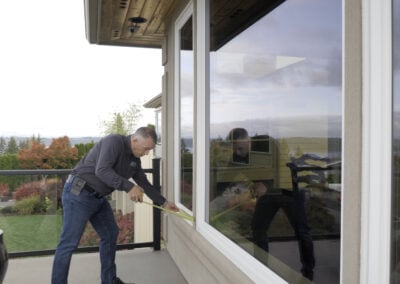
Professional installation helps ensure the door fits correctly within the opening, weatherstripping is properly compressed, and gaps around the frame are sealed to prevent air and water intrusion. These details are especially important in colder climates, where temperature swings and winter moisture can quickly expose weaknesses in poor installations.
Working with experienced installers also helps protect long-term performance. Proper flashing, thresholds, and alignment allow the door to maintain its seal as materials expand and contract throughout the year. This not only improves comfort during winter, but also helps extend the life of the door and reduce future maintenance or repair costs.
For Seattle-area homeowners considering new exterior doors or window upgrades, Lake Washington Windows and Doors can make the decision process much easier. A complimentary in-home consultation allows you to evaluate your current doors and windows, discuss cold-weather performance goals, and receive recommendations tailored to your home’s layout and priorities.