Argon gas windows are a common feature in modern replacement windows, even though many homeowners are not fully aware of how the gas works or why it is used. Argon is placed between the panes of glass inside an insulated glass unit to improve insulation and reduce heat transfer. Because the gas is invisible and sealed inside the window, its benefits are easy to overlook, even though it plays a meaningful role in the comfort and performance of energy-efficient windows.
This article explains what argon gas is, how it is used in replacement windows, and why it improves insulation compared to regular air. It also covers how argon gas-filled windows are constructed, how they compare to other gas-filled options, what homeowners should know about longevity and seal performance, and how professional installation affects long-term results.
What Is Argon Gas and Why Is It Used in Windows?
Argon gas is a naturally occurring, non-toxic gas that makes up a small percentage of the Earth’s atmosphere. It is colorless, odorless, and chemically stable, which means it does not react with other materials. These properties make argon well-suited as a replacement window insulation technology, where long-term performance and safety are essential.
Argon is an excellent insulator compared to air because it’s denser, which slows the movement of heat between the inside and outside of the home. When sealed between glass panes, argon gas reduces thermal conductivity and helps the window maintain a more consistent indoor temperature.
How Argon Gas Windows Are Constructed
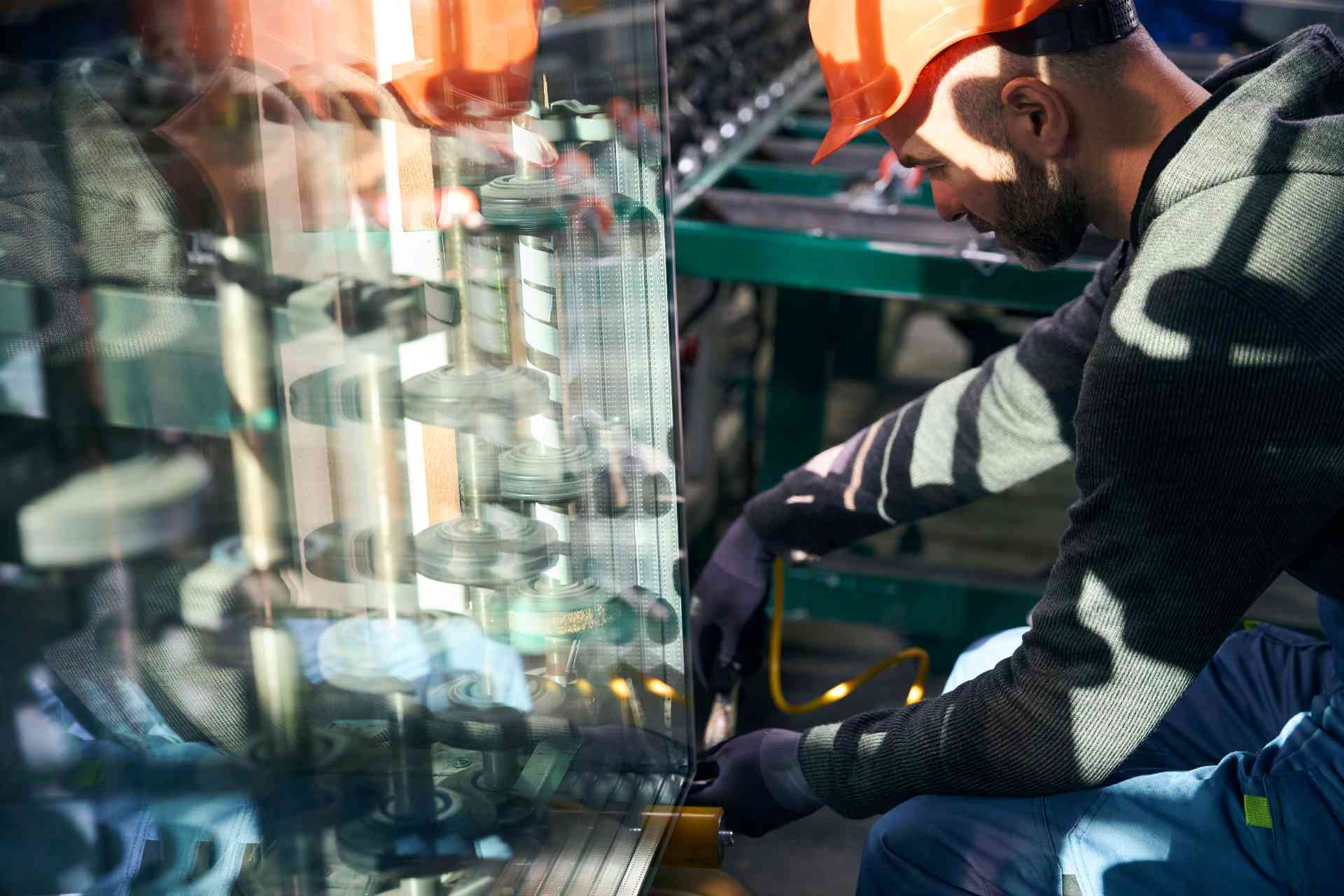
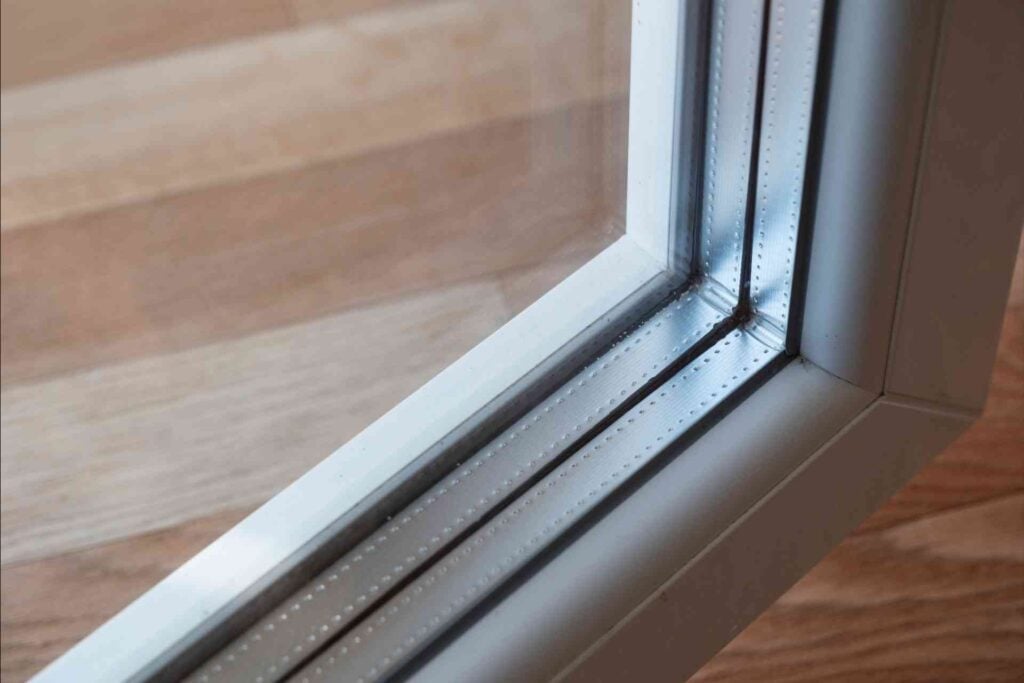
Argon gas windows are made using insulated glass units that contain two or more panes sealed together as a single system. During manufacturing, the space between the glass panes is filled with argon gas. The edges of the glass are then bonded with specialized spacers and sealants, which lock the panes in place and keep the argon contained.
This sealed edge system is what prevents air and moisture from entering and allows the argon gas to continue insulating over time. When manufactured and installed correctly, this construction method helps the window maintain consistent insulation and reliable performance for many years.

Schedule a Free Consultation
Get a free home window inspection, talk with one of our design consultants to get product recommendations, and learn about special offers and financing.
How Argon Gas Improves Window Insulation
Argon gas improves window insulation by limiting how heat moves through the space between glass panes. Because argon behaves differently from regular air, it enhances window performance in several specific and measurable ways when sealed inside an insulated glass unit.
- Reduces heat transfer through the glass. Argon is denser than air and has lower thermal conductivity, which allows it to function as an effective insulator. This slows the movement of heat between the inside and outside of the home and improves the window’s overall thermal value.
- Improves the performance of double-pane glass. In practical terms, replacing air with argon can lower a window’s U-factor from roughly 0.45 or 0.50 to around 0.30. That difference reflects a 15% to 20% improvement in insulating performance, depending on the glass coatings and spacer system used.
- Supports more consistent indoor comfort. By slowing heat loss in colder months and heat gain in warmer months, argon helps maintain a more stable indoor temperature. This reduces drafts near windows and helps rooms feel more comfortable year-round.
- Lowers heating and cooling demand. Improved insulation reduces the workload on heating and cooling systems, which can help lower overall energy consumption over time.
Argon Gas vs. Other Window Gas Fills
Argon is the most widely used insulating gas in replacement windows, but homeowners may come across other substances when comparing window performance. The differences between gas fills mainly affect insulation levels, cost, and where each option makes the most sense in residential applications.
- Air-filled windows: Air is the simplest and least expensive option, but it provides the weakest insulation. Heat moves more easily through air than through argon, which leads to greater heat loss in colder weather and more heat gain during warmer months. Air-filled windows are generally considered the budget option rather than a high-performance choice.
- Krypton-filled windows: Krypton gas is denser than argon and can offer slightly better insulation, especially in narrow spaces between glass panes. However, krypton is significantly more expensive and is typically used only in specialty applications, such as certain triple-pane windows or space-limited designs.
While other specialty gases exist, they are rarely used in residential replacement windows due to cost and limited practical benefit. For most homeowners seeking traditional windows, argon provides the best balance of insulation, durability, and value, which is why it remains the standard gas fill in modern replacement windows.
Argon Gas Windows and Professional Installation
High-performance windows rely on more than gas-filled glass to perform well over time. Proper installation plays a critical role in maintaining the seal of the insulated glass unit and ensuring the window delivers the insulation benefits it is designed to provide. Even a high-quality argon-filled window can underperform if it is not installed correctly.
A professional installation process helps ensure the window is set square, sealed tightly, and protected from air and moisture intrusion. These factors reduce stress on the glass seals and help prevent premature seal failure that could lead to gas loss.
When argon gas windows are installed as part of a complete replacement window system, proper installation supports long-term durability, consistent insulation, and reliable performance year after year.
Choosing Argon Gas Windows To Improve Your Home’s Energy Efficiency
Argon gas is most effective when it is part of a well-designed replacement window system that includes quality glass, durable frames, and proper installation. When evaluating window options, argon should be viewed as one component of overall window performance rather than a standalone upgrade. The right combination of glass, gas fill, and frame design determines how well a replacement window performs over time.
At Lake Washington Windows & Doors, argon gas is included in replacement window options designed to improve insulation, comfort, and long-term efficiency. As a professional replacement window dealer and installer, our team helps homeowners understand how features like argon gas fit into the full window system and how proper installation supports lasting performance. Homeowners interested in learning more can schedule a complimentary in-home window consultation to review options and determine the best solution for their home.
Common Questions About Argon Gas in Windows
Do argon gas windows lose their gas over time?
Argon gas windows are sealed, so the gas does not escape under normal conditions. Over time, a very small amount of argon leaks or dissipates naturally, but this happens slowly and typically does not affect window performance. Significant gas loss usually occurs only if a small hole develops when the window seal fails.
How long does argon gas last in replacement windows?
Argon units from reputable window manufacturers that are properly installed can remain effective for decades. Many insulated glass units are expected to retain most of their gas for 20 years or more. The quality of the seals and the installation play a major role in how long the gas remains contained.
Are argon gas windows worth it?
For most homeowners, argon gas windows are worth the added cost. The improvement in insulation, comfort, energy savings, and overall window performance typically outweighs the small price difference compared to air-filled windows. Argon has become standard in many replacement windows because it delivers reliable benefits, such as lower energy bills, in a cost-effective way.
Is argon gas safe for homes?
Yes. Argon is a non-toxic, inert gas that is naturally present in the air. It does not pose a health risk to occupants and remains sealed inside the window under normal conditions.
Can argon gas windows be refilled?
Windows filled with argon gas cannot be practically refilled once a seal has failed. When a seal breaks and gas escapes, the insulated glass portion of the window typically needs to be replaced to restore performance and energy efficiency standards.
How can homeowners tell if a window has argon gas?
Argon gas is invisible, so it cannot be identified by sight alone. Homeowners can usually confirm its presence by checking the window label, manufacturer documentation, or by looking for etched markings on the glass that indicate an argon-filled insulated unit.