When temperatures drop, windows become one of the main sources of heat loss in a home. Older or poorly insulated windows allow cold air to seep in and warm air to escape, forcing heating systems to work harder. That added strain shows up on energy bills, and often makes certain rooms feel uncomfortable no matter how high the thermostat is set.
Homeowners often turn to “winterizing” as a way to seal off these drafts and improve comfort during the coldest months. Winterizing windows typically involves measures like plastic insulation film, weather stripping, or caulk to hold off the chill until spring arrives.
In this guide, we’ll explain what window winterization is, the common signs that your windows may need attention, and why fixes like caulk and insulation film are usually temporary. You’ll also learn how modern energy-efficient fiberglass and vinyl windows reduce the need for seasonal maintenance, helping you stay comfortable through every season.
The Signs Your Windows Need Winterizing
Windows often show subtle signs of insulation problems before they start letting in cold air. Noticing these changes early can help homeowners understand whether a simple seasonal fix might help or if it’s time to consider replacement windows. Common signs your windows may need winterizing include:
- Cold drafts near windows: Feeling a light breeze when standing close to a window is a clear indicator of worn seals or small air leaks.
- Condensation or frost buildup: Moisture forming on the inside of the glass shows poor insulation and a temperature imbalance between indoor and outdoor air.
- Fog between panes: In double- or triple-pane windows, fog or moisture trapped inside the glass layers signals a failed seal, which reduces insulation performance.
- Noticeably colder glass: When window glass feels icy compared to the wall around it, heat is escaping through the pane instead of staying inside.
- Uneven room temperatures: Rooms with older windows often feel significantly colder than the rest of the house, especially on windy days.
- Outside noise is becoming more noticeable: Drafty or poorly sealed windows also allow more sound to pass through, a subtle sign that air is moving through the same gaps.
- Rising energy bills in winter: A consistent increase in heating costs, even when usage stays the same, points to heat loss from inefficient windows.
- Difficulty opening or closing windows: Wood or aluminum frames that have expanded, warped, or shifted with age can break the seal and allow air to pass through.
- Peeling paint or water damage around frames: Moisture entering through gaps or failed caulking can damage window trim, sills, and nearby walls.
- Visible light around the frame: Seeing daylight through the edges of a closed window is a clear sign of air leakage and seal failure.
When several of these issues appear together, winterizing can offer only temporary comfort. Persistent drafts or condensation are usually symptoms of deeper problems that short-term fixes can’t solve.
Which Window Style Is Right for Your Home?
Not sure where to start with replacement windows? We will help you narrow it down. Answer a few quick questions about your home, style preferences, and project goals. Then, we will recommend the window style and product option that best fits your needs - whether you want more natural light, better airflow, improved energy efficiency, easier maintenance, or a fresh new look. At the end, you will get your personalized window recommendation plus access to an exclusive quiz offer toward your project.
Select all that apply.
Almost Done
Get Your Quiz Results
Enter your email address to see your recommended window style. We will also email you a copy of your results.
Window Winterization Techniques, From Caulk to Thermal Curtains
Winterizing windows means taking steps to reduce heat loss, block cold air, and prevent condensation during colder months. The goal is to make existing windows perform better without replacing them.
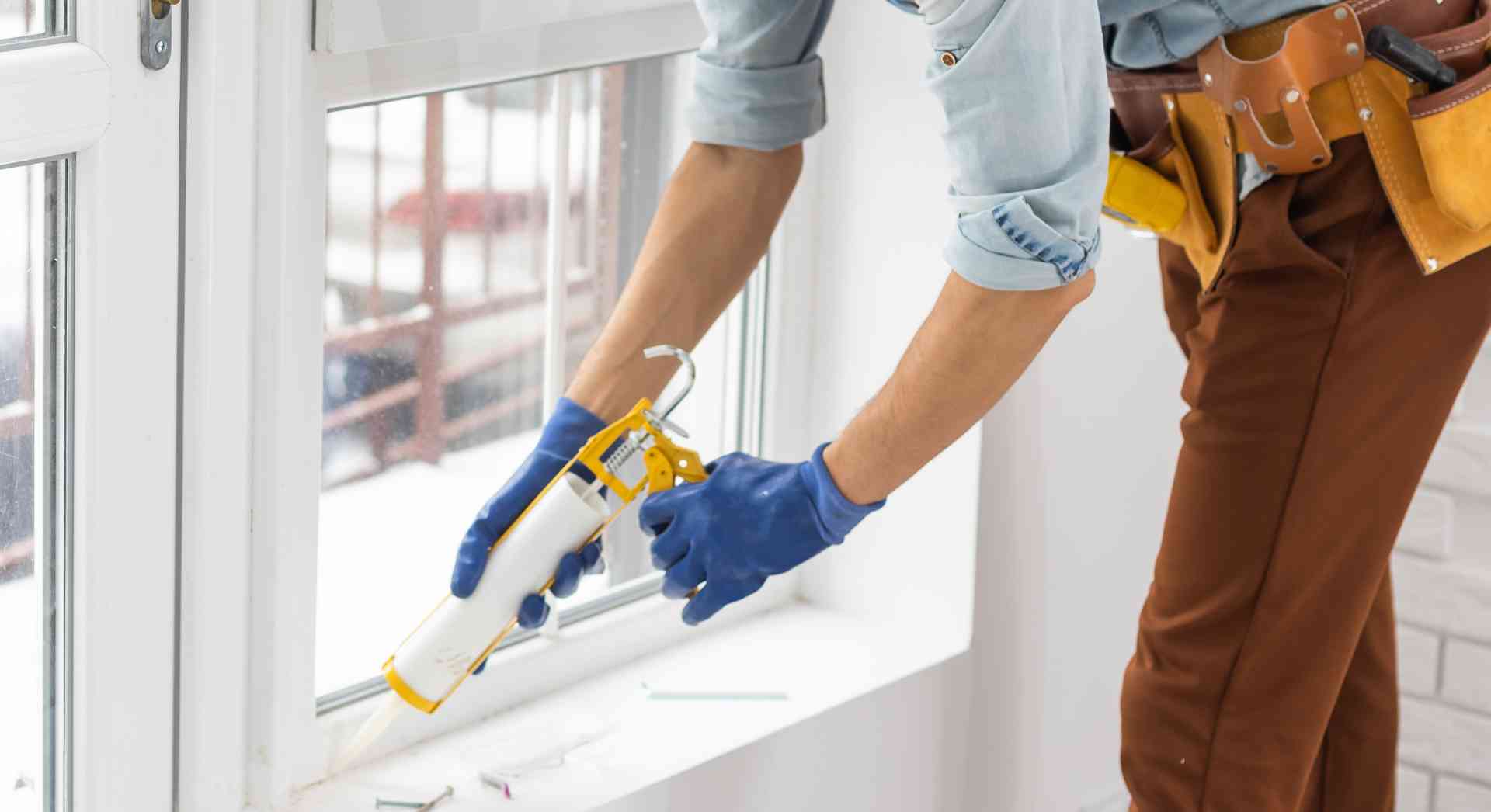
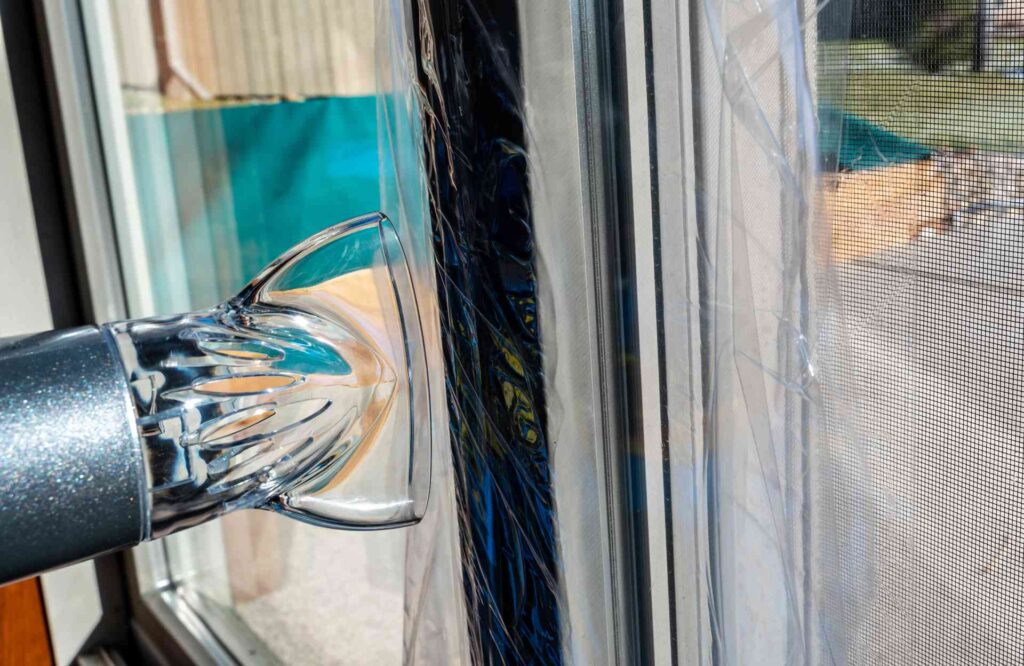
Common methods include sealing small gaps around the frame with caulk, adding weatherstripping to movable sashes, or applying a layer of clear insulation film over the glass and tightening it with a hair dryer to create an extra air barrier. Some homeowners also use thermal curtains or draft stoppers along the sill.
While these products may offer mild relief from the cold, they don’t address the real problem: aging or inefficient window materials that let air and moisture pass through. Over time, the seals, glazing, and framing materials wear down, making even the best temporary measures less effective.
Temporary Winterization Fixes Have Limitations
Quick fixes like plastic window film, caulk, or draft stoppers can be an easy way to cut down on drafts for a short time, but they rarely solve the root problem. Most winterizing materials are temporary by design. They wear out, lose flexibility, or stop adhering as temperatures fluctuate. Over time, these solutions become less effective and more of a seasonal chore than a true improvement. Here’s why temporary fixes often fall short:
- Plastic insulation film is fragile: It can wrinkle, peel, or trap moisture, making windows cloudy and reducing visibility. Once removed in spring, it must be replaced the next year.
- Caulk and foam sealants crack over time: Temperature changes cause materials to expand and contract, breaking the seal and letting drafts return.
- Weatherstripping loses shape and stickiness: Adhesive-backed strips often detach or compress after repeated use, creating small gaps where cold air seeps in.
- Draft stoppers and curtains only hide the problem: They block some of the cold air that enters the room, but they don’t stop air from coming through gaps or cracks in the window frame.
- Moisture problems persist: Covering or sealing windows can trap humidity inside, sometimes leading to condensation or even mold near sills.
- Aesthetic drawbacks: Plastic sheeting and visible sealants can make windows look cloudy or cluttered, reducing curb appeal.
- Time and labor add up: Reapplying these materials each year takes time and effort, and replacement supplies can become a recurring expense.
- Reduced natural light: Heavy curtains or window insulation panels block sunlight, making rooms feel darker during the months when daylight is already limited.
- Potential window damage: Certain adhesives or over-tightened films can strip paint, damage trim, or weaken the glass seal.
- Structural issues remain unsolved: Warped frames, failed seals, or single-pane glass can’t be fixed with surface treatments, no matter how carefully they’re applied.
If these steps have become part of your yearly winter routine, it’s a strong sign that your windows are no longer providing proper insulation. At that point, replacement is often the most reliable and cost-effective solution for long-term comfort and energy efficiency.

Schedule a Free Consultation
Get a free home window inspection, talk with one of our design consultants to get product recommendations, and learn about special offers and financing.
Why Energy-Efficient Replacements Are the Best Solution for Window Insulation

While winterizing can temporarily reduce drafts, modern energy-efficient replacement windows solve the problem at its source. Instead of relying on seasonal add-ons, today’s windows are engineered to maintain airtight seals, regulate indoor temperatures, and prevent condensation year-round. Fiberglass and vinyl windows are two of the best-performing options for cold climates and fluctuating weather. Both materials resist warping, cracking, and seal failure, providing consistent insulation without the need for annual maintenance.
- Fiberglass windows are known for their strength and stability, with frames that expand and contract at nearly the same rate as glass. This minimizes stress on the seals and keeps the window airtight even during extreme temperature changes. Fiberglass also has excellent thermal resistance, helping to trap heat inside during winter and out during summer.
- Vinyl windows are a more affordable option that provides excellent energy efficiency with very little maintenance. Their multi-chambered design helps trap air within the frame, creating natural insulation. Vinyl won’t rot, peel, or corrode, and it performs well in both wet and cold climates.
Energy-Efficient Upgrades That Further Insulate Windows
The performance of both the glass and the frame determines how well your home stays insulated through the seasons. Modern replacement windows combine advanced glazing and frame construction to regulate indoor temperatures, reduce drafts, and eliminate the need for annual winter prep. Here are some of the most effective energy-efficient upgrades built into today’s top window systems:
- Multi-layer Low-E coatings: High-performance glass often includes three or four layers of Low-E (low-emissivity) coating, an ultra-thin metallic layer that reflects heat back into your home during winter and blocks unwanted solar heat in summer. These coatings can block up to 99% of UV rays, helping maintain consistent indoor comfort while protecting furniture and flooring from fading.
- Argon gas fills and warm-edge spacers: The space between glass panes is often filled with argon gas, a clear, non-toxic insulator that slows heat transfer. Combined with advanced edge spacers, these features reduce condensation and improve insulation at the edges of the window.
- Climate-specific glass options: Some glass systems are engineered for regional performance. In cold climates, passive coatings allow sunlight and warmth to enter during winter, while solar-reflective coatings in hot climates minimize heat gain to keep interiors cooler.
- UV and glare control: Modern glass coatings filter harsh sunlight and reduce glare without sacrificing natural light. This helps keep living spaces bright and comfortable while easing the load on heating and cooling systems.
How Professional Installation Ensures Your Comfort Year-Round
Even the most advanced, energy-efficient window can underperform if it isn’t installed correctly. Proper installation is what ensures your new windows live up to their energy ratings and long-term durability. Gaps, uneven fits, or poor sealing during installation can cause the same drafts, condensation, and heat loss that homeowners are trying to eliminate.
Professional installers use precise measurement and sealing techniques to make sure each window fits securely within the existing window frame and maintains an airtight barrier. This step is especially important for fiberglass and vinyl windows, where the performance of the frame depends on consistent contact with the wall opening.
Certified installation also helps prevent future issues like water intrusion, frame movement, or warping that can lead to costly repairs down the road. At Lake Washington Windows & Doors, every installation is performed by trained professionals and protected by our Leak Armor Guarantee, which ensures your windows will remain weather-tight, energy-efficient, and protected for years to come.
When installation is done right the first time, homeowners gain the full benefits of their investment: consistent comfort, increased energy savings, and windows that perform beautifully season after season. If your home feels drafty or your energy bills climb each winter, upgrading your windows is one of the most effective ways to improve efficiency and comfort. Contact Lake Washington Windows & Doors to schedule a free in-home window consultation and learn how energy-efficient fiberglass and vinyl replacement windows can help keep your home warm, quiet, and worry-free through every winter ahead.