When temperatures drop, exterior and patio doors can become a surprising source of heat loss. Even small gaps in the frame or worn weatherstripping can let cold air seep in and warm air escape, driving up energy bills and making your home less comfortable. Over time, age, moisture, and daily use can wear down the seals and thresholds that keep doors insulated, especially in older homes.
Sealing doors when winter hits is one of the simplest ways to make a big difference in comfort and energy efficiency without major renovation. It helps stop drafts, maintain consistent indoor temperatures, and reduce strain on your heating system. In this guide, you’ll learn how to seal exterior and patio doors for winter, recognize signs of air leaks, and know when replacement may be the better long-term solution.
Common Ways to Winterize Your Doors
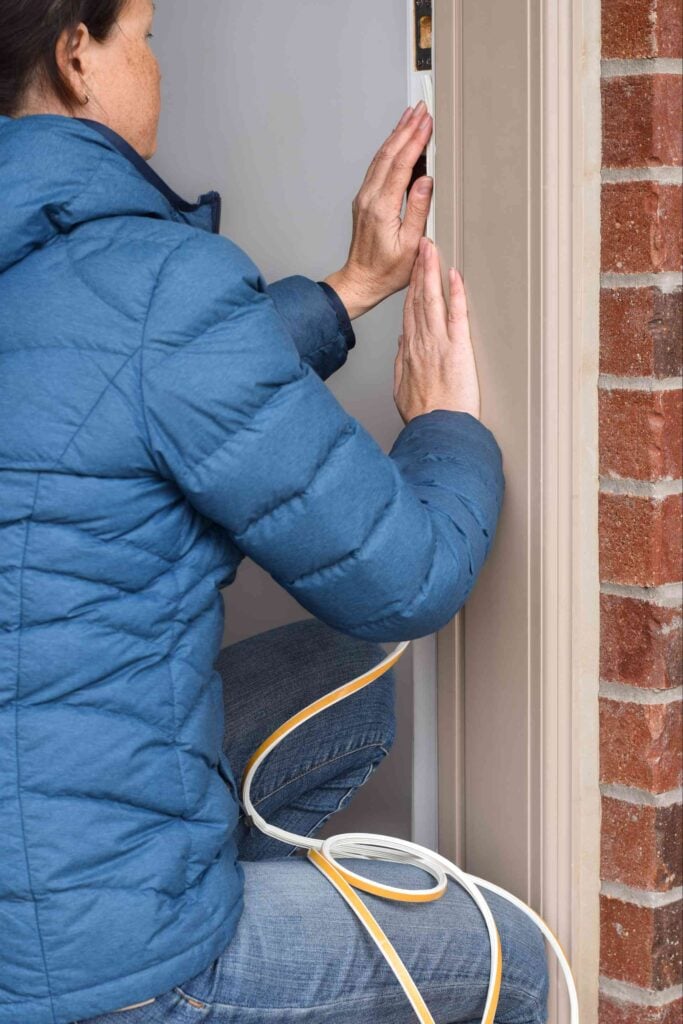
Sealing doors for winter improves insulation and prevents heat from escaping through small gaps around the frame or threshold. Weather exposure, humidity, and daily use can weaken seals and create openings that let in cold air. Modern sealing materials can be effective methods for reducing drafts, conserving energy, and keeping interior spaces more comfortable during the colder months.
- Weatherstripping: A flexible material made of foam, rubber, or felt to fill gaps along the door jamb. It compresses slightly when the door is shut, forming an airtight seal that blocks drafts.
- V-seal weatherstripping: A durable, V-shaped strip that runs along the sides and top of the door. It flexes to maintain consistent contact and seal out air even as the door expands or contracts with temperature changes.
- Foam tape: A lightweight adhesive material that cushions the door against its frame, ideal for older doors or surfaces that are slightly uneven.
- Door sweeps: A metal, vinyl, or brush-style strip attached to the bottom of the door to seal the space between the door and the threshold. When properly fitted, it prevents air movement under the door.
- Threshold seals: The rubber or vinyl barrier built into the threshold that compresses when the door closes. Replacing worn seals or adjusting the threshold height helps maintain an airtight seal at the base.
- Door gasket kits: Full-perimeter sealing systems found in many modern steel and fiberglass doors. Replacing old or flattened gaskets restores their original insulation performance.
- Caulk and sealant: Applied around the outer edges of the frame where it meets the wall to prevent air leaks and moisture from entering small cracks.
- Draft stoppers: Fabric or weighted barriers placed along the floor to temporarily block airflow under the door, useful in colder months for older entryways.
- Thermal curtains or door drapes: Insulated coverings designed to add an extra layer of warmth to patio doors or doors that open to unheated spaces.
Each of these materials helps improve comfort and efficiency, but their effectiveness depends on the door’s overall condition. A door that is warped, poorly aligned, or deteriorating may continue to leak air even after resealing, making replacement the more reliable long-term solution.
Signs Your Door Needs Sealing or Replacement
Even the most durable exterior door can lose its efficiency over time. Small air leaks or worn seals often go unnoticed until the cold weather sets in and drafts become obvious. Checking your doors early in the season can help you decide whether a quick reseal will do the job or if it’s time for a replacement. Here are the most common signs your door may need sealing or replacement:
- Feeling cold air near the edges: If you can feel a breeze or temperature drop when standing near the door, the weatherstripping or threshold may have gaps.
- Light shining through the frame: Visible light around the edges of a closed door is one of the clearest signs of an air leak.
- Uneven temperatures between rooms: Drafty doors can make certain rooms colder, especially those with exterior or patio doors.
- Rattling or loose closure: A door that no longer closes snugly against its frame can’t maintain an effective seal.
- Difficulty locking or latching: Misalignment caused by settling or warping prevents the door from sealing tightly.
- Condensation or frost: Moisture buildup signals poor insulation and temperature transfer between indoors and outdoors.
- Rising heating bills: If your energy use stays the same but bills go up, air leaks from windows and doors are often to blame.
- Visible damage to the frame or threshold: Cracks, gaps, or soft spots around the bottom of the door frame allow air and moisture to enter.
- Peeling paint or water damage near the frame: Failed seals can let moisture in, damaging nearby walls and trim.
- Noise infiltration: If outdoor noise has become more noticeable, it often means air is moving through the same gaps that let sound pass.
- Cold or uneven glass on patio doors: For glass-panel or sliding doors, a noticeably colder surface can indicate failed insulation or worn seals between panes.
- Sliding patio doors that stick or rattle: Worn tracks, rollers, or seals can cause air gaps that make these doors especially drafty.
If several of these issues appear at once, resealing may only provide temporary comfort. Aging or warped doors often need full replacement to restore insulation and improve long-term efficiency.

Schedule a Free Consultation
Get a free home window inspection, talk with one of our design consultants to get product recommendations, and learn about special offers and financing.
Special Considerations for Patio and Sliding Doors
Patio and sliding glass doors are especially vulnerable to heat loss during winter. Unlike a standard front door, these designs often lose warmth through their tracks, glass seals, and panel joints. Their large surface area and frequent use expose them to wear that gradually weakens their ability to block drafts and insulate the home.
Poorly aligned tracks or worn rollers can prevent panels from closing completely, allowing cold drafts to pass through small and larger gaps around the door. Aging weatherstripping along the sides and meeting rails can also compress or tear, breaking the tight seal that keeps interiors warm. Over time, the caulking around the frame may deteriorate, leaving subtle openings that invite drafts and moisture intrusion.
Glass panels pose another challenge. Once the insulating seal between panes fails, condensation or fog often appears inside the glass. This is an early sign that energy efficiency has dropped. For homes that rely on sliding or French patio doors as major sources of light, this loss of insulation can make nearby rooms noticeably colder.
While proper sealing can help for a time, frequent drafts or recurring condensation often indicate that the door’s materials have reached the end of their lifespan. Upgrading to an energy-efficient patio or sliding door with insulated glass, multi-layer seals, and durable framing can greatly reduce heat transfer and keep your home comfortable year-round.
What Are the Limitations of Temporary Fixes?
Seasonal sealing products can provide short-term relief from drafts, but they’re rarely a lasting solution. Materials like adhesive weatherstripping, caulk, and foam lose flexibility and adhesion as temperatures fluctuate or as doors are opened and closed throughout the season. These easy fixes often need to be replaced each year, making them more of a recurring chore than a reliable improvement in insulation.
The larger issue is that temporary sealing methods do nothing to correct underlying structural problems such as warped frames, worn thresholds, or degraded insulation. When air continues to leak in despite regular resealing, it’s a sign that the door has reached the end of its lifespan. In those cases, replacing the door with a modern, energy-efficient model provides a long-term solution that eliminates drafts and reduces heating costs for years to come.
Why Energy-Efficient Replacement Doors Are the Long-Term Solution
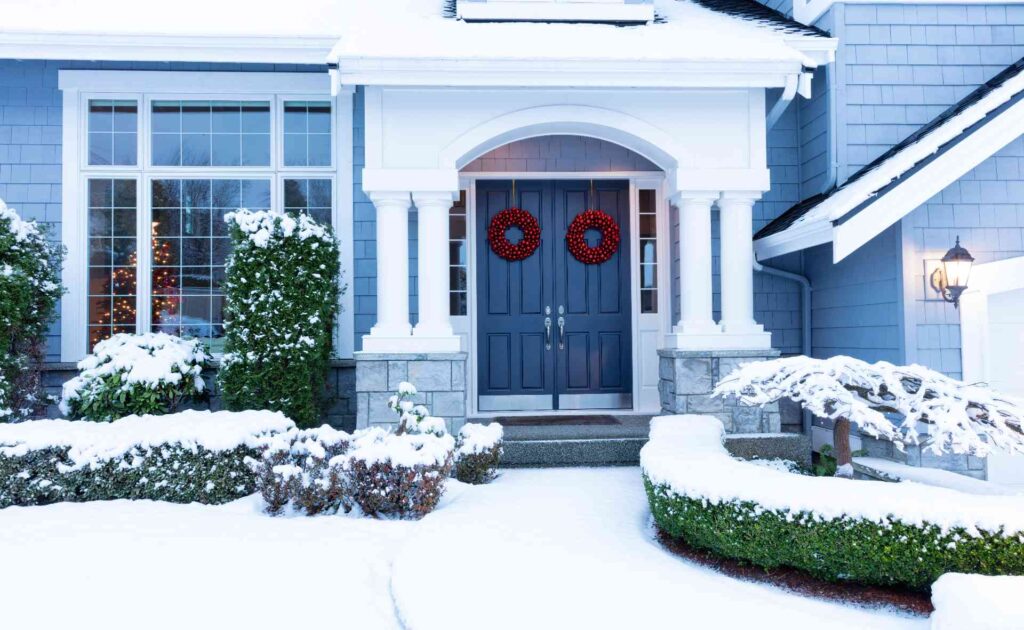
Upgrading to an energy-efficient exterior or patio door is the most effective way to eliminate drafts for good. Modern materials and advanced construction prevent the warping, air leaks, and seal failures that older doors develop over time, helping maintain a comfortable, consistent indoor temperature throughout the year.
Fiberglass Doors
Fiberglass doors offer exceptional performance in Seattle’s mix of cold, wet, and windy conditions. Their insulated core and rigid structure provide excellent thermal resistance while resisting warping, cracking, and swelling. Because fiberglass expands and contracts at nearly the same rate as glass, it keeps seals intact and prevents gaps from forming around the edges. These doors also replicate the appearance of natural wood while delivering far greater durability, energy efficiency, and added protection.
Vinyl Doors
Vinyl doors are another strong choice for year-round comfort and efficiency. Their multi-chambered frame design traps air within the structure, creating natural insulation that reduces heat transfer. Vinyl is moisture-resistant and requires minimal maintenance, making it ideal for exterior and patio applications. With proper installation and sealing, vinyl doors can help homeowners maintain a quieter, warmer, and more energy-efficient home without the need for yearly resealing or repair.
Steel Doors
Steel doors combine energy efficiency with strength and security. They typically feature an insulated foam core wrapped in a durable steel shell, providing excellent protection against heat loss and physical wear. Modern steel doors include thermal breaks and high-performance coatings that prevent rust and maintain their finish in wet conditions. For homeowners who prioritize durability and weather resistance, insulated steel doors deliver long-lasting performance and solid energy savings.
The Importance of Proper Fit and Professional Exterior Door Installation
Even the highest-quality door can underperform if it’s not installed correctly. Visible gaps, uneven contact points, or poor sealing during installation allow air and moisture to pass through, reducing energy efficiency and undermining the benefits of a new door. Proper installation ensures the frame is square, the seals are fully compressed, and the threshold aligns perfectly to maintain a continuous barrier against outdoor conditions through a simple process.
Professional installers understand how to match each door to its specific opening and use precision sealing techniques to prevent drafts and water intrusion. This level of detail is especially important in the Pacific Northwest, where frequent rain and temperature swings can quickly expose flaws in a door’s fit or finish.
At Lake Washington Windows & Doors, every replacement door is installed by trained professionals and protected by our Leak Armor™ Guarantee, ensuring long-lasting performance and weather protection. With expert installation, homeowners can count on improved insulation, quieter interiors, and lasting comfort through every season. To learn more or schedule a free in-home consultation, contact Lake Washington Windows & Doors today.