Replacing your home’s windows is a meaningful investment, and choosing the right glass package is one of the most important decisions you’ll make when selecting new windows. Modern windows are designed to improve comfort, reduce noise, lower energy bills, and help create a more stable indoor environment, but not all insulated glass performs the same. For many homeowners, the choice comes down to two options: double-pane or triple-pane windows.
In this guide, we explain how double-pane and triple-pane window styles are constructed, outline their advantages and disadvantages, compare their real-world performance, and offer guidance for Pacific Northwest homes. By the end, you’ll have a clear sense of which option is right for you and what kind of value each window type can deliver.
What Are Double-Pane and Triple-Pane Windows?
Double-pane and triple-pane windows are insulated glass units (IGU) built with multiple layers of glass separated by sealed air or gas-filled spaces. Their construction is designed to slow heat transfer and improve stability within the window system. The difference comes down to how many glass layers are used and how each layer is separated inside the unit.
Double-Pane Window Construction
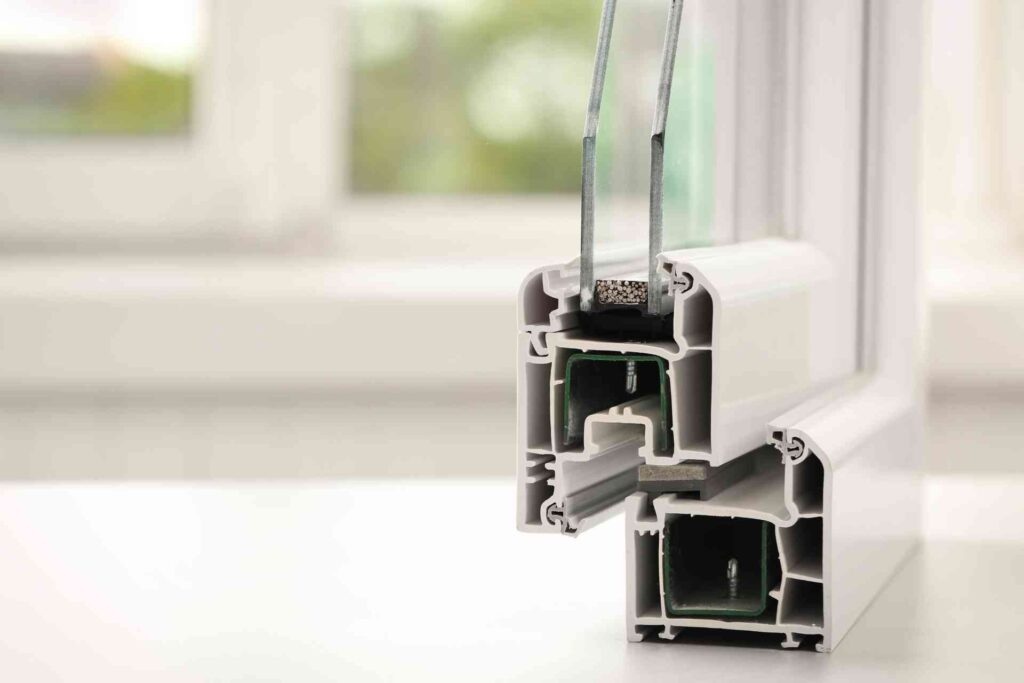
A dual-pane window uses two panes of glass separated by a sealed cavity filled with air or an insulating argon gas. The two panes plus the internal chamber create three layers of insulation: one layer for each pane and one for the gas-filled space between them. A perimeter spacer keeps the panes evenly separated and maintains the integrity of the seal. This entire insulated glass unit is then housed within a frame made of vinyl, fiberglass, wood, or aluminum.
Triple-Pane Window Construction

Triple-glass windows use three panes of glass and two sealed internal cavities. Each cavity is filled with insulating argon or krypton gas in higher-performance models. This design creates five layers of insulation: one layer for each of the three glass panes plus two extra layers formed by the gas-filled chambers. A multi-layer spacer system separates and supports the panes, ensuring the heavier insulated glass unit stays stable once installed in the frame.
Which Window Style Is Right for Your Home?
Not sure where to start with replacement windows? We will help you narrow it down. Answer a few quick questions about your home, style preferences, and project goals. Then, we will recommend the window style and product option that best fits your needs - whether you want more natural light, better airflow, improved energy efficiency, easier maintenance, or a fresh new look. At the end, you will get your personalized window recommendation plus access to an exclusive quiz offer toward your project.
Select all that apply.
Almost Done
Get Your Quiz Results
Enter your email address to see your recommended window style. We will also email you a copy of your results.
The Benefits of Double- and Triple-Glazed Windows
Both window types offer significant benefits, but the strengths differ based on how each unit is constructed. The comparison below gives homeowners a complete look at the unique advantages double-pane and triple-pane windows deliver, including performance improvements and aesthetic appeal that can elevate the look and feel of a home.
| Double-Glazed Window Benefits | Triple-Glazed Window Benefits |
| Lower upfront cost: Double-pane windows cost less because they use fewer materials and require less structural support. | Improved energy efficiency: Triple-pane construction reduces heat transfer more effectively to maintain stable indoor temperatures. |
| More natural light: With fewer layers of glass, double-pane units allow greater visible light into the home. | Superior noise reduction: The extra pane and additional gas layer provide significantly superior insulation. |
| Lighter weight: The insulated glass unit is easier to handle and places less strain on the frame. | Better condensation resistance: Additional insulation keeps interior glass surfaces warmer and reduces moisture buildup. |
| Good all-around performance: The construction offers reliable insulation and sound control suited for most homes. | Improved security: Three layers of glass make triple-pane windows more resistant to forced entry and breakage. |
| Broad availability: Double-pane windows remain the industry standard, giving homeowners more style, material, and brand options. | Enhanced long-term durability: The thicker insulated glass unit offers greater resistance to seal failure and temperature swings. |
| Faster installation: Their lighter weight makes installation simpler and quicker for most replacement projects. | Lower U-factors: Triple-pane units achieve lower thermal ratings that help meet stricter Washington and Pacific Northwest energy codes. |
| Better match for mild climates: Double-pane construction often provides the right balance of performance and cost in regions with moderate temperature changes. | Improved interior comfort: The inner glass stays warmer in winter and cooler in summer, reducing the sensation of radiant cold or heat near the window. |
| Improved home value: Double-pane windows are broadly recognized as the modern standard and remain a strong selling feature for most buyers, offering the added benefit of pairing well with a variety of home designs. | Better performance in extreme weather: Triple-pane units maintain more consistent indoor temperatures during heat waves or freezing conditions, especially when paired with more coatings that boost energy performance. |

Schedule a Free Consultation
Get a free home window inspection, talk with one of our design consultants to get product recommendations, and learn about special offers and financing.
The Disadvantages of Double- and Triple-Pane Windows
Double-pane and triple-pane windows each offer strong performance, but neither option is perfect for every home. The comparison below outlines the most meaningful drawbacks associated with each construction type so homeowners can make an informed, realistic decision.
| Double-Pane Window Disadvantages | Triple-Pane Window Disadvantages |
| Less energy efficient: Double-pane units cannot match the insulation levels of triple-pane construction, especially during colder months. | Higher upfront cost: Triple-pane windows require more materials and labor, making them significantly more expensive to purchase. |
| Less effective noise control: Two panes of glass are not as capable of blocking traffic, construction, or neighborhood noise, resulting in more noticeable sound transmission in busy areas. | Heavier weight: The added pane and gas chamber increase overall weight, which can affect size options and require reinforced frames. |
|
Higher condensation potential: The interior glass can run cooler in winter, increasing the chance of visible moisture buildup. |
Reduced natural light: Additional glass layers slightly decrease visible light transmission, making some spaces appear dimmer. |
| Lower security strength: Two panes of glass offer less resistance to breakage or forced entry compared to triple-pane units. | Longer payback period: Energy savings take time to compensate for the higher initial cost, which may not work for every budget. |
| Not ideal for extreme climates: Homes in areas with large temperature swings may experience more heat loss and interior drafts, making performance less predictable in harsh climates. | Compatibility limitations: Not every frame material or product line supports triple-pane glass, reducing design and style flexibility. |
Side-by-Side Comparison of Double- and Triple-Pane Windows
Choosing between double- or triple-pane windows comes down to how each option performs in the areas that matter most to homeowners. The star ratings below provide a quick, at-a-glance view of how the two constructions compare, with more detailed explanations in the sections that follow.
| Category | Double-Pane Windows | Triple-Pane Windows |
| Affordability | ★★★★★ | ★★★★☆ |
| Energy efficiency | ★★★★☆ | ★★★★★ |
| Noise reduction | ★★★★☆ | ★★★★★ |
| Condensation resistance | ★★★★☆ | ★★★★★ |
| Natural light | ★★★★★ | ★★★★☆ |
| Security strength | ★★★★☆ | ★★★★★ |
| Durability | ★★★★☆ | ★★★★★ |
| Long-term value | ★★★★☆ | ★★★★★ |
Affordability
Double-glazed windows earn the highest score in affordability because they require fewer materials and are easier to manufacture and install. Triple-glazed windows cost more due to the additional glass layer, heavier insulated glass unit, and higher-spec engineering behind most triple-pane product lines. If budget is a primary factor, double-pane windows are the clear winner, providing you with strong performance while saving money.
Energy Efficiency
Both double-pane and triple-pane windows offer excellent energy performance, but triple-pane construction provides an additional insulating chamber that reduces heat transfer even further. This can help maintain more stable indoor temperatures, especially during colder months, and can noticeably improve your home’s energy efficiency. Double-pane windows remain highly efficient, earning a strong rating, but triple-pane windows offer higher long-term energy savings thanks to their lower U-factors, higher R-value, and stronger thermal performance compared to standard units.
Noise Reduction
Double-pane windows reduce sound transfer well, but triple-pane windows add another barrier that helps disrupt and absorb more noise. The difference is most noticeable in neighborhoods near busy streets, schools, flight paths, or dense urban areas. While both options perform at a high level, triple-pane edges ahead because the third pane and a second gas chamber create a more effective sound buffer.
Condensation Resistance
Condensation forms when cold glass meets warm, humid indoor air. Triple-pane windows produce less condensation because the interior glass surface stays warmer thanks to the added pane and gas layer. Double-pane windows still perform well, especially with modern Low-E coatings, but they are slightly more susceptible to visible moisture on cold mornings. Triple-pane earns the top rating for interior surface stability.
Natural Light
Double-pane windows allow the most natural light into the home because they contain fewer layers of glass. Triple-pane windows still offer excellent clarity but can reduce visible light slightly due to the extra pane and coatings. The difference is subtle, and most homeowners do not notice it in everyday living, but double-pane windows retain a small advantage.
Security Strength
Both double-pane and triple-pane windows offer strong impact and break resistance, especially when built with modern frame materials. Triple-pane windows provide a slight edge because the additional pane adds another barrier, increasing the time and effort needed to break through the glass. While neither option is marketed as a security product, triple-pane receives the top score in this category.
Durability
Window durability depends heavily on frame construction, installation quality, and environmental exposure, but triple-pane insulated glass units often benefit from more robust engineering. The added thickness and improved thermal stability can reduce long-term stress on seals. Double-pane windows remain extremely durable and deliver long service lives, but triple-pane windows earn a slight advantage for long-term performance consistency.
Long-Term Value
Double-pane windows offer excellent value for most homes, effectively balancing performance and cost. Triple-pane windows deliver higher long-term value in many cases because of their superior energy performance, reduced heating and cooling costs, stronger condensation resistance, and improved comfort. Over time, those benefits can help offset their higher initial cost. For homeowners planning to stay in their home long term, triple-pane windows often provide the best return.
Comparing Double-Pane vs Triple-Pane Window Costs
Window replacement is a major investment, and understanding the cost difference between double-pane and triple-pane windows helps homeowners plan their project with realistic expectations. Prices vary based on window size, frame material, glass options, and installation conditions, but the ranges below reflect what most Pacific Northwest homeowners can expect to pay for both individual windows and whole-home replacements.
| Window Type | Per Installed Window | Whole-Home Replacement |
| Double-pane replacement windows | $450 – $1,500 | 10 windows: $4,500 – $15,000 20 windows: $9,000 – $30,000 |
| Triple-pane replacement windows | $600 – $2,000+ | 10 windows: $6,000 – $20,000+ 20 windows: $12,000 – $40,000+ |
Several factors influence where your project falls within these ranges. Larger windows, premium frames, custom sizes, and upgraded glass packages increase the price, while standard vinyl windows in common sizes tend to stay at the lower end. Installation complexity can also add to the cost. Triple-pane units naturally cost more due to their added glass and gas chambers, though their improved comfort and efficiency offset the investment over time.
Which Windows Are Best for Homes in the Pacific Northwest?
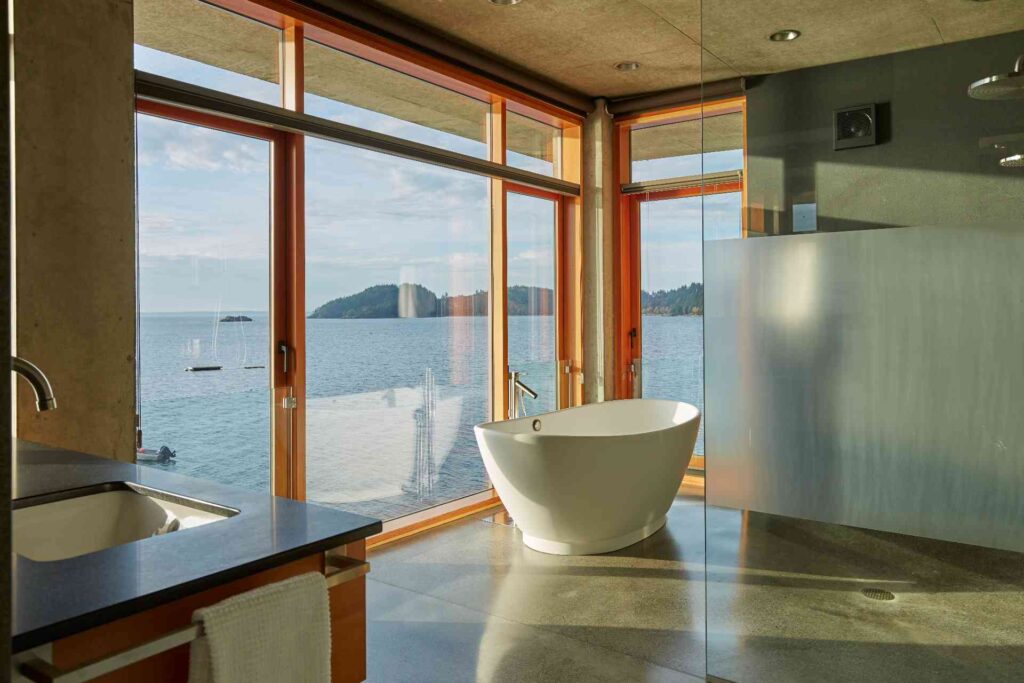
Windows make up a meaningful portion of your home’s exterior, and even though they may only account for about 8% of the surface area, that small percentage has an outsized impact on indoor comfort. In the Pacific Northwest’s damp, chilly winters and rapidly warming summers, windows are one of the biggest sources of passive heat loss and heat gain.
While triple-pane windows cost more than double-pane options, multiple studies show that they do a better job of keeping homes warmer in winter and cooler in summer. In one energy analysis, homes with triple-pane windows used 12.2% less energy over the course of a year, including 11.6% less energy in winter and 18.4% less energy in summer. During peak summer demand, the difference was even greater, with energy use dropping by nearly 25%.
The trade-off is return on investment. Depending on utility rates and the specifics of your home, it may take 20 years or more for the energy savings from triple-pane windows to fully offset the higher upfront cost. For some homeowners, that long horizon is acceptable; for others, it may not be compelling enough to make triple-pane windows worth the upgrade.
That said, ongoing improvements in manufacturing are steadily lowering the price of triple-pane units and making them more accessible. As energy codes in many Pacific Northwest cities continue to tighten, triple-pane windows are also becoming a valuable tool for builders and remodelers looking to meet modern performance standards while delivering greater comfort in the PNW’s unique climate.
Get Trusted Guidance on the Right Window Choice for Your Home
Choosing between double-pane and triple-pane windows becomes much easier when you have expert support. Even the highest-rated window won’t perform the way it should without a proper installation process, and that’s where a professional matters most. A trained installer ensures the frame is level, the opening is sealed correctly, and the insulated glass unit performs to its full potential — all of which directly affect comfort, efficiency, and long-term durability in a Pacific Northwest home.
If you live in the Seattle area and want confident, informed recommendations tailored to your home, our team is here to help. We offer complimentary in-home consultations where you can compare options, review product styles, and understand the performance differences that matter most for your space.