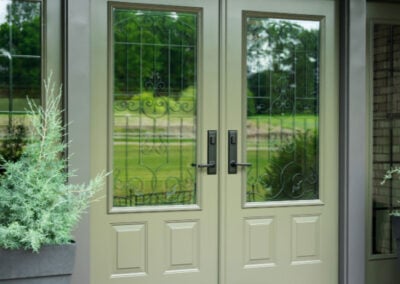
Replacing a front door is one of the simplest ways to improve your home’s comfort, energy efficiency, and curb appeal. Understanding Seattle door installation costs helps homeowners plan upgrades with confidence and choose materials that perform well against harsh weather in the Pacific Northwest. On average, single-panel exterior entry doors in Seattle cost between $5,000 and $12,000, while two-panel exterior entry doors (or single-panel entry doors with two sidelites) cost between $12,000 and $20,000. For two-panel patio doors, prices typically range from $4,000 to $12,000. Knowing what drives these prices ensures you can budget wisely and understand the total cost of your project.
This guide breaks down how Seattle door prices compare to national averages, what factors influence installation costs, and how to choose the right doors for your home and budget.
Comparing Seattle Door Prices vs. National Averages
The average door installation cost can vary depending on materials and design complexity, and on whether you’re replacing a standard entry door or upgrading to a custom model. However, Seattle homeowners typically pay 15% to 30% more than the national average, due to higher regional labor rates, material costs, and stricter energy efficiency requirements. The table below outlines the typical price ranges for both entry doors and patio doors.
| Door Type | Seattle Average Cost | National Average Cost |
| Entry doors (single panel) | $5,000 – $12,000 | $4,000 – $11,000 |
| Patio doors (sliding/French) | $4,000 – $12,000 | $2,000 – $7,000 |
Seattle’s higher installation costs reflect the high-quality materials designed for the region’s wet, variable climate and the importance of using skilled labor on this kind of project. Investing in quality doors and expert installation delivers lasting comfort, efficiency, and peace of mind through benefits like the Leak Armor Guarantee. Professional installation ensures doors are properly sealed, insulated, and weather-resistant, all key factors in reducing drafts and long-term maintenance. Though these upgrades often carry a higher price tag, they help control the overall cost of ownership by improving energy efficiency and reducing repair needs.
How Prices Differ by Door Type

The cost of replacing a door in Seattle depends heavily on the type of door you choose. Each style varies in size, material, and installation complexity, which all influence pricing and long-term performance.
| Door Type | Seattle Average Cost |
| Single-panel swing door (entry) | $5,000 – $12,000 |
| Double-panel swing door (entry) | $12,000 – $20,000 |
| French doors (patio) | $5,000 – $12,000 |
| Fire-rated garage to home doors | $3,000 – $6,000 |
| Sliding doors (patio) | $4,000 – $8,000 |
| Bifold doors | $15,000 – $28,000 |
| Double swing doors (patio) | $5,000 – $12,000 |
These costs reflect the price range for each door type, considering standard materials and professional installation. Understanding these variations helps homeowners choose the right balance of design, function, and value for their space.
French doors are typically more expensive due to their aesthetic appeal and installation complexity, while a garage door or fire-rated door costs more because the added security and fire-resistant materials require specialized construction and hardware to meet safety standards.
Specialty options like pocket doors and stacking glass walls can create a large opening to extend your indoor space to the outside, but may increase costs due to the size, customization, and track systems required. Sliding and bifold doors offer flexibility and accessibility but differ in installation demands. Double doors and bulkhead doors require more labor and materials, leading to higher costs.

Schedule a Free Consultation
Get a free home window inspection, talk with one of our design consultants to get product recommendations, and learn about special offers and financing.
How Door Material Changes Price
Selecting the appropriate material is essential when considering door replacements or new installations in Seattle. Each material offers unique benefits in terms of aesthetics, durability, and cost. Below is a detailed comparison table showcasing the typical price range for doors made from various custom materials. These prices are for installing one exterior door in Seattle:
| Material | Relative Cost Range (% Above or Below Averages) |
| Wood doors | +50% |
| Vinyl doors | +10% |
| Steel doors | +20% |
| Fiberglass doors | +50% |
| Aluminum doors | +20% |
Exterior doors typically require enhanced features for weather resistance and security, which increases the cost. Wood doors remain popular for their traditional style and timeless appeal, while fiberglass and steel doors often feature energy-efficient glass panels that improve insulation and help regulate indoor temperatures.
The higher costs associated with premium options, such as wrought iron or detailed custom finishes, reflect their superior durability and design complexity. In contrast, more economical materials like aluminum and vinyl doors provide cost-effective solutions while still maintaining strong performance in Seattle’s climate.
When planning a door replacement or installation, it’s also important to consider the door frame and existing door conditions. Installing a new door slab in an existing frame can reduce upfront costs, but the fit and finish of the door is just not as good as buying a pre-hung door (a complete system with a perimeter frame and door slab). The cost of pre-hung exterior doors requiring a new frame, trim work, or added design features can lead to higher installation costs. Additionally, options like sliding doors, French doors, and bi-fold doors can enhance functionality and aesthetics but might involve different pricing structures due to door hardware and labor requirements.
Factors That Can Impact Door Installation Costs

From the materials you choose to the condition of your existing frame, several factors impact the final cost. Key factors that influence door installation costs include:
- Frame material. The door frame plays a major role in pricing. For example, fiberglass frames typically cost more than vinyl or steel due to their superior strength and weather resistance.
- Door hardware and security features. Adding premium locks, smart home integrations, or heavy-duty security features increases cost but enhances both protection and durability, which are important for exterior doors exposed to Seattle’s wet climate.
- Pre-hung vs. slab doors. A pre-hung door (complete with frame and hinges) provides a more durable, weather-tight fit but costs more to install. A door slab replacement is less expensive but requires precise hinge alignment and offers less insulation.
- Customization and design. Custom-built doors or those with decorative glass, unique finishes, or intricate designs require additional door parts and labor, raising both fabrication and installation costs.
- Labor costs. Seattle’s skilled labor rates are higher than national averages. Additionally, complex installations, such as those involving framing adjustments or structural modifications, can raise costs further.
- Size and weight. Oversized or heavy doors, such as double-entry or bifold doors, demand more labor, stronger hardware, and potentially structural reinforcement, all of which add to the total price.
- Specialty features. Options like pet doors, storm doors, and smart locks can improve convenience and function, but also increase installation costs.
- Existing door condition. Replacing a door in a frame that’s damaged, out of square, or rotted will require additional carpentry or full door jamb replacement, adding to labor time and material costs.
- Energy efficiency requirements. Seattle’s energy codes encourage low-E glass and insulated materials that prevent heat loss. These upgrades raise upfront costs but offer long-term savings on utilities.
- Permits and code compliance. Some structural door installations, especially those involving enlarging openings or modifying load-bearing walls, may require building permits, engineering, and inspections, which can increase project timelines and expenses.
How Seattle Labor Costs Affect Door Replacement

Labor costs are a significant component of any door installation project in Seattle. Understanding these expenses helps homeowners budget effectively and evaluate the cost to install both standard and custom doors. The typical hourly rate for a qualified and experienced door installer averages around $150 per hour, with pricing varying based on the project scope and the professional you hire.
| Installer Type | Typical Hourly Rate | Best For |
| Licensed contractor | $100 – $200/hr | Complex installs involving out-of-square openings, dry rot repair, or framing and load-bearing wall modifications; higher cost. |
| Certified Replacement Door Dealer | $150 – $250/hr | Exterior door replacements with expert installers, stronger warranties, and better design support; the highest cost tier. |
| Handyperson | ~$80/hr | Simple pre-hung or screen door projects where a lower-cost option is acceptable; quality may vary. |
Licensed Contractor
Hiring a licensed contractor to install your door is a good idea, due to the temperamental nature of door projects. Door openings are often out-of-square, out-of-plumb, and/or out-of-level. It’s important to modify the rough opening so that the new door can fit properly and operate well. Licensed contractors typically can repair unexpected dry rot, install oversized doors, and handle more complex framing or load-bearing walls. Unlike a handyman, these professionals are more skilled but will cost more.
Certified Replacement Door Dealer
Hiring a replacement door dealer is also recommended for exterior door replacements. These door dealers are a more sophisticated version of a licensed general contractor. In addition to being licensed as a general contractor, a dealer has a team of installers who are solely focused on door replacements and install them every day. Contrast that with a licensed contractor or a handyman who handles many types of projects. As the saying goes, “A jack of all trades is master of none”. In addition, dealers offer robust warranties, greater experience with a variety of door styles, provide design services, and offer better post-installation service. Expect to pay more for a certified replacement door dealer, however.
Handyperson
A handyperson can be a cost-effective choice for straightforward tasks like setting up pre-hung or screen doors, but alignment and finishing quality may vary, whereas professional installation ensures proper alignment.
Additionally, many contractors offer reduced labor rates when multiple doors are installed at once. This can be especially beneficial for larger renovation projects, as long as each door is properly aligned and sealed to maintain long-term performance and warranty coverage.
How Installation Prices Change When Comparing New vs. Existing Frame

Choosing between reusing an existing door frame or installing a new door frame plays a key role in your project’s appearance, performance, and total cost. The right option depends on the door’s condition, location, and whether you’re upgrading to a different style or material.
Existing Door Frame
Opting to use an existing perimeter frame can reduce the cost of door replacement, especially when the opening still fits standard door slab sizes. This is most feasible when the current frame is structurally sound and free from significant wear or warping. However, when a frame shows rot or damage, partial repair or a complete frame replacement may be necessary to ensure a secure, weather-tight fit.
New Door and Frame System
Installing new frames is ideal for exterior or custom doors, or when multiple doors in an older home are being replaced. A complete door and frame system allows precise sizing, greater design flexibility, and options like decorative glass or energy-efficient upgrades. This approach also ensures a weather-sealed installation and full manufacturer warranty coverage.
How Customizations Affect Overall Door Costs

When planning door installations, homeowners must consider not only the type and style of the door but also the level of customization required to meet their specific needs.
Basic Installation
The cost range for basic installation is typically between $1,500 and $5,000, excluding the cost of the product. This includes the fitting of standard doors without additional modifications. Basic installation is ideal for straightforward projects where the door size and hardware requirements fit within standard specifications. It’s perfect for those looking to replace existing doors or upgrade interior doors with minimal structural changes.
Advanced Customization
For those requiring more tailored solutions, advanced customization costs can range from $5,000 to over $12,000 for labor. This higher price bracket covers a variety of enhancements, such as custom design, oversized doors, or unique builds that feature glass inserts or intricate custom finishes.
Advanced projects may also include the integration of specialized door hardware, custom materials, or security systems that elevate both function and style. Additional features, like creating a new or larger opening or installing a moving glass wall system, increase overall cost.
How Seattle Homeowners Can Save on Door Replacement
Replacing doors can be a major investment, but there are several practical ways to save money without sacrificing quality or long-term performance.
- Replace multiple doors at once. Many contractors offer discounts for multi-door installations, reducing overall labor costs per unit.
- Choose standard sizes whenever possible. Custom or oversized doors require extra fabrication, hardware, and framing, which can add thousands.
- Select durable, low-maintenance materials. Fiberglass doors often provide the best long-term value by resisting moisture and warping in Seattle’s wet climate.
- Reuse existing frames when in good condition. Installing just the door in a sound frame cuts labor and material costs significantly.
- Compare energy efficiency ratings. Doors with low-E glass or insulated cores may cost more upfront, but can lower utility bills year-round.
- Ask about financing or seasonal promotions. Many companies offer special pricing and financing options that make upgrades more affordable.
- Bundle door and window projects. Combining multiple upgrades during a single installation often leads to reduced labor rates and fewer repeat service calls.
- Plan during the off-season. Scheduling installations in late fall or winter, when demand is lower, can sometimes yield better pricing and faster turnaround times.
- Avoid unnecessary customization. Decorative glass, premium stains, custom handles, and intricate hardware all add cost. Simplifying design choices can help keep the project within budget.
- Invest in professional installation. Even with standard door installations, proper sealing and weatherproofing prevent future energy loss and moisture damage, saving money on repairs down the road.
Securing Your Home With the Right Doors
There is a significant list of factors that impact door costs, from the initial choice of materials to the nuances of installation and customization. Whether it’s selecting the right type of door to match your home’s style or ensuring a proper fit during installation, every choice plays a pivotal role in long-term performance and safety.
For expert guidance and top-notch service on your next door installation or replacement project, consider partnering with Lake Washington Windows and Doors. Our team is committed to providing high-quality solutions tailored to your specific needs. Reach out to us for comprehensive support that ensures your door choices not only meet but also exceed your expectations.